
Alcohol and the Gym: How to Minimize Damage (If You’re Going to Drink)
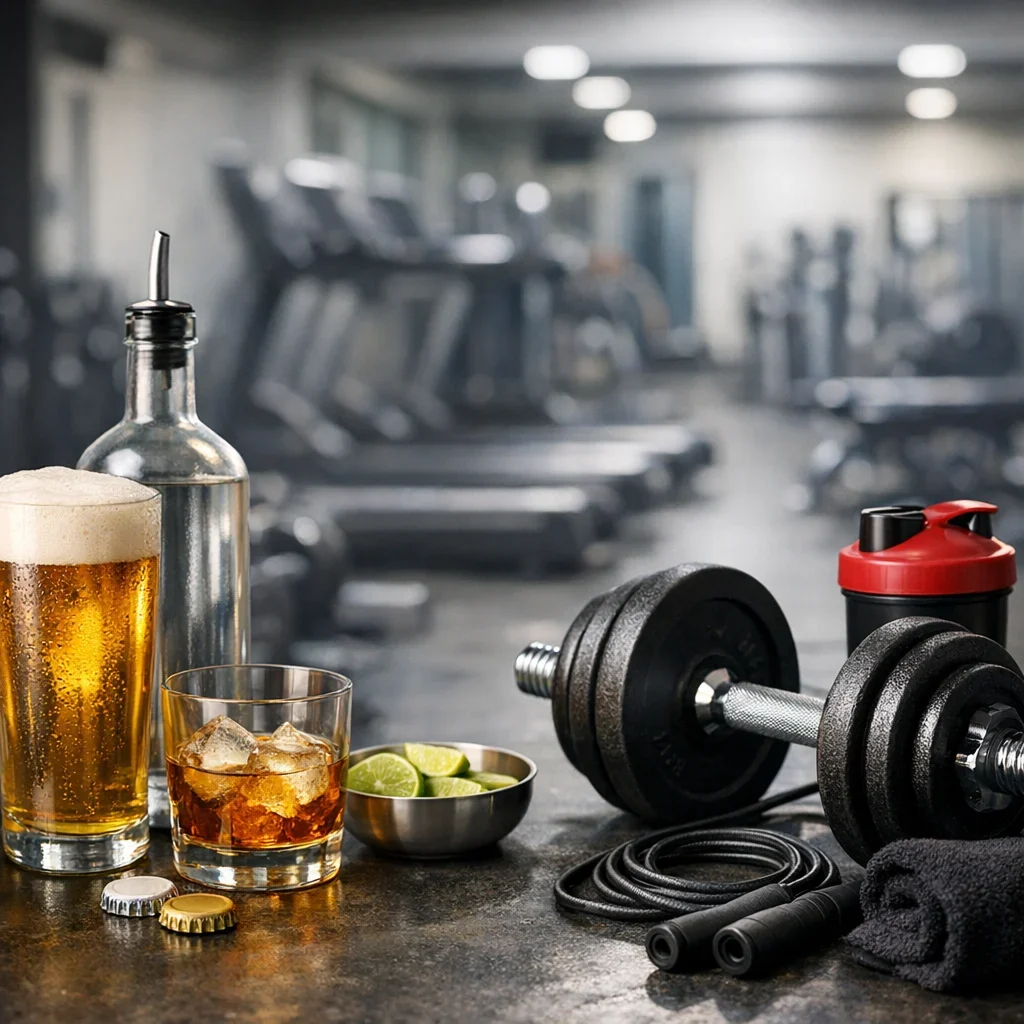
Talking about alcohol and the gym in Spain is like trying to separate oil from water; there’s no way a weekend ends without a few beers or a glass of wine. But what happens to our physical performance? Is it possible to enjoy a drink and stay fit? Let’s break it down so that if you decide to drink, you do so with a bit of common sense and, above all, without letting your training suffer too much.
What Effects Does Alcohol Have on Physical Performance?
First, let’s be clear: alcohol is not exactly your body’s best friend, especially if you overdo it. Generally speaking, alcohol can affect your physical performance in several ways:
- Dehydration: Alcohol is a diuretic, which means it makes you lose fluids. And we all know that hydration is key for any workout.
- Muscle Recovery: Drinking can interfere with protein synthesis, causing your muscles to recover more slowly after exercise.
- Empty Calories: Alcohol provides a lot of calories but no nutrients. If you’re trying to lose weight or improve your body composition, this doesn’t help.
- Sleep Disruption: While it may seem that alcohol helps you sleep, it actually interferes with sleep quality, affecting your performance the next day.
Common Mistakes When Mixing Alcohol and the Gym
The combination of alcohol and exercise can be a minefield if you’re not careful. Here are some of the most common mistakes people make:
- Not hydrating properly before and after drinking.
- Using alcohol as a reward after an intense workout session.
- Not considering the extra calories in your daily diet.
- Drinking excessively on training days, thinking that "one day won’t hurt."
- Ignoring the impact of alcohol on your sleep and recovery.
Quick Tips for Drinking and Staying Fit
If, despite everything, you decide to enjoy a drink, here are some practical tips to minimize the damage:
- Choose lower-calorie drinks: Opt for white wine or sparkling wine instead of sugary cocktails.
- Stay Hydrated: Drink water between each alcoholic beverage to keep hydrated.
- Plan Your Workouts: If you know you’re going out, adjust your training routine for those days.
- Avoid Alcohol Before Training: Give your body time to metabolize alcohol before any physical effort.
- Limit Your Intake: Set a limit on drinks and stick to it.
How Much Alcohol is "Too Much"?
This can vary from person to person, but generally, moderate consumption is considered to be 1 to 2 drinks per day for men and 1 drink for women. Remember, this is not an invitation to drink every day, but rather a guideline for what is considered "moderate."
| Drink | Calories per Serving | Alcohol Content (approx.) |
|---|---|---|
| Beer (330ml) | 150 | 5% |
| Red Wine (150ml) | 125 | 12% |
| Whiskey (50ml) | 110 | 40% |
| Vodka (50ml) | 110 | 40% |

You can support the project or share this article in one click. At least this block does something useful.
Published: 31/05/2026.
This article may have been prepared with the assistance of artificial intelligence tools. View AI policy
FAQ
Can I drink alcohol and still see results at the gym?
Yes, but in moderation. If you keep your consumption low and take care of your hydration and nutrition, the impact can be minimal. However, keep in mind that alcohol can affect your performance and recovery.
What type of alcohol is less harmful to physical performance?
Options like wine or beer tend to have fewer calories and may be easier to metabolize than sugary cocktails. Additionally, red wine contains certain antioxidants that can be beneficial in small amounts. But, as always, moderation is key.
Should I completely avoid alcohol if I train seriously?
Not necessarily. Many athletes enjoy a drink now and then. However, if you’re training for a competition or looking for significant progress, it may be better to reduce or eliminate alcohol from your diet.
How does alcohol affect muscle recovery?
Alcohol can interfere with protein synthesis, meaning your muscles don’t repair as quickly as they should after a workout. This can lead to increased recovery time and, therefore, lower performance in your next workouts.
Is it better to drink before or after training?
It’s best to avoid alcohol before training. Drinking after the session may be acceptable, but make sure to hydrate well and consider how it will affect your recovery. Remember, every body is different, and what works for one may not work for another.
In summary, if you decide to combine alcohol and the gym, do it wisely. Your body will thank you, and you can still enjoy your leisure moments without sacrificing your efforts at the gym. Remember that moderation is key, and as always, if you have doubts, consult a health professional or a nutritionist. And, of course, enjoy responsibly!