
Bulk Diet for Busy People: 3-Meal Menu

If you're in Spain and looking for a simple bulk diet that fits your busy lifestyle, you've come to the right place. Whether you're at the office, at home, or rushing from one place to another, there's no excuse for neglecting your nutrition. Here’s a straightforward and effective menu that will help you gain muscle mass without complications. Ready to stop making excuses and start eating like a champion?
What is a bulk diet?
A bulk diet is a nutritional approach designed to increase muscle mass. Unlike cutting diets, which aim to lose fat, here we focus on consuming a calorie surplus while also considering the quality of the foods. The key is to find a balance that allows you to gain muscle without accumulating excess fat. So, if you think gaining weight is easy, think again. It’s not about filling your plate with fried foods; it’s about making the right choices.
3-Meal Menu for a Simple Bulk Diet
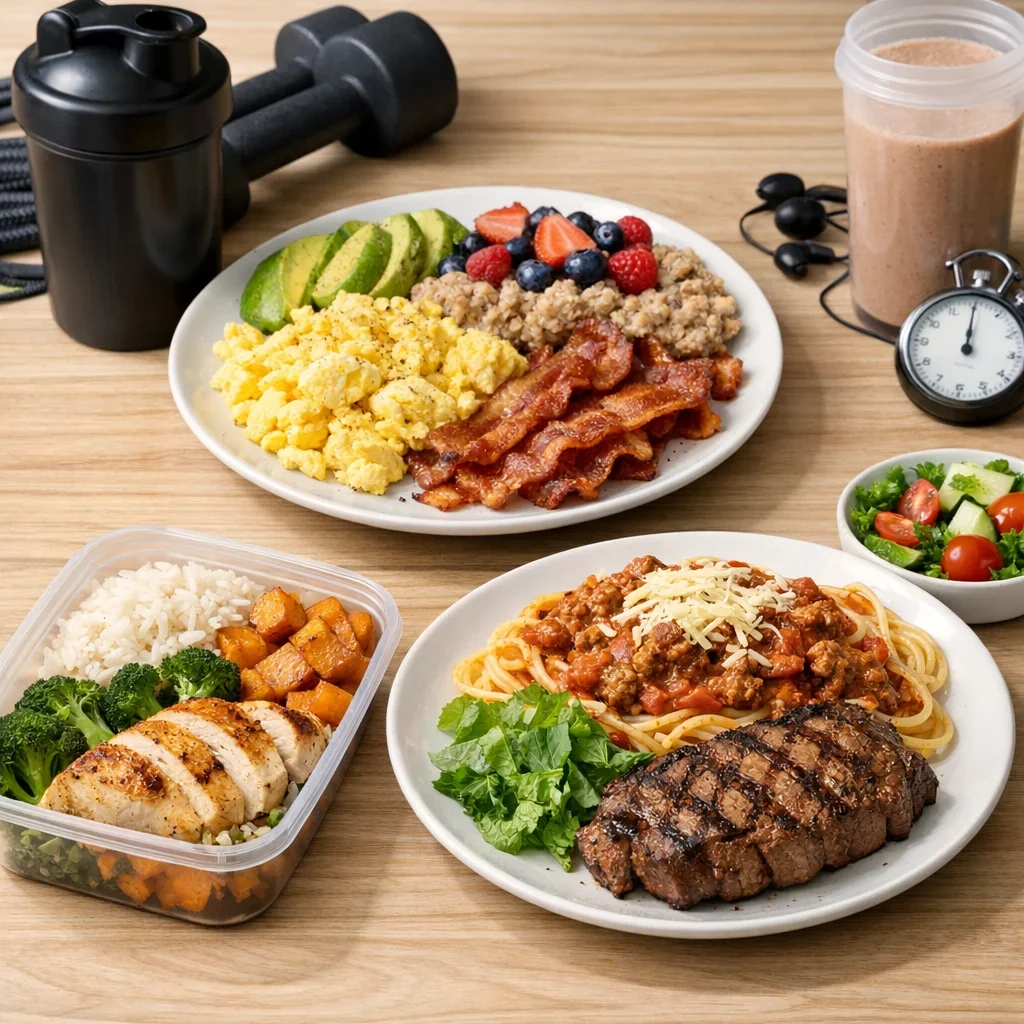
Next, I present a practical menu you can follow. This menu is designed to be easy to prepare and fit into your daily routine. Remember, consistency is key, and make adjustments according to your needs.
| Meal | Ingredients | Approximate Calories |
|---|---|---|
| Breakfast | Oats, banana, milk or plant-based drink, nuts | 600 |
| Lunch | Chicken breast, brown rice, broccoli | 700 |
| Dinner | Beef stir-fry, quinoa, spinach | 700 |
Meal Breakdown
Breakfast
Start your day with a bowl of cooked oats. Add sliced banana and a handful of nuts. Oats provide complex carbohydrates, the banana adds potassium, and the nuts offer healthy fats. All ready in 10 minutes, and off you go!
Lunch
Chicken breast is an excellent source of lean protein. Pair it with brown rice and steamed broccoli. This dish is easy to prepare, and you can make it in large quantities to have several servings ready throughout the week. Go for broccoli, which is not only nutritious but also a classic in bulk diets.
Dinner
For dinner, a beef stir-fry with quinoa and spinach. Quinoa is a pseudo-cereal that provides protein and fiber, ideal for muscle recovery. If you make it in a large pan, you can prepare enough for several days. This way, you avoid cooking again!
Common Mistakes in a Bulk Diet
- Not tracking calories properly: Sometimes, we think we're eating enough, but we're not. It's crucial to keep track.
- Including too many processed foods: While they are easy to prepare, they don't provide the nutritional quality you need.
- Forgetting hydration: Drinking enough water is essential. Sometimes, we confuse hunger with thirst.
- Not varying protein sources: It’s easy to fall into the routine of eating the same thing all the time. Switch between chicken, beef, fish, and legumes.
- Skipping meals: Consistency is key; if you skip a meal, you might miss the chance to consume the necessary calories.
Quick Tips for an Effective Bulk Diet
- Prepare in advance: Cook in large quantities and store portions in the fridge.
- Healthy snacks: Always have nuts, protein shakes, or Greek yogurt on hand.
- Keep it simple: Don’t complicate your life; choose quick and easy recipes.
- Listen to your body: Adjust portions based on how you feel and your results.
- Consult a professional: If you have doubts, a nutritionist is always a good option.
FAQ about Bulk Diets
How many calories should I consume on a bulk diet?
This depends on your weight, height, activity level, and goals. As a general rule, increase your caloric intake by about 300-500 calories daily above your maintenance level. A nutritionist can help you calculate it more specifically.
Can I do a bulk diet without exercising?
It's possible, but not recommended. A bulk diet is complemented by strength training to maximize muscle gains. Without exercise, you're likely to gain more fat than muscle.
Are protein shakes necessary in a bulk diet?
They are not essential, but they can be helpful if you struggle to meet your protein goals. Opt for whole protein sources when possible, but a shake can be convenient on busy days.
Is it possible to gain muscle without gaining weight?
Yes, this is called body recomposition. It involves gaining muscle and losing fat simultaneously. It’s a slower process and requires careful attention to diet and training.
What foods should I avoid on a bulk diet?
Avoid ultra-processed foods, added sugars, and trans fats. These not only lack nutrients but can also sabotage your efforts. Instead, choose whole, nutrient-rich foods.
Remember that following a simple bulk diet doesn't have to be complicated. With a little organization and the right choices, you can achieve your goals without losing your mind in the process. Time to eat up!
Published: 31/05/2026.
This article may have been prepared with the assistance of artificial intelligence tools. View AI policy

You can support the project or share this article in one click. At least this block does something useful.