
Essential HIIT Safety Checklist for Beginners

Essential HIIT Safety Checklist for Beginners
Introduction to HIIT
High-Intensity Interval Training, or HIIT, has gained popularity in Spain for its effectiveness in improving fitness in a short amount of time. However, it's crucial to approach it safely, especially if you're a beginner.Common Mistakes
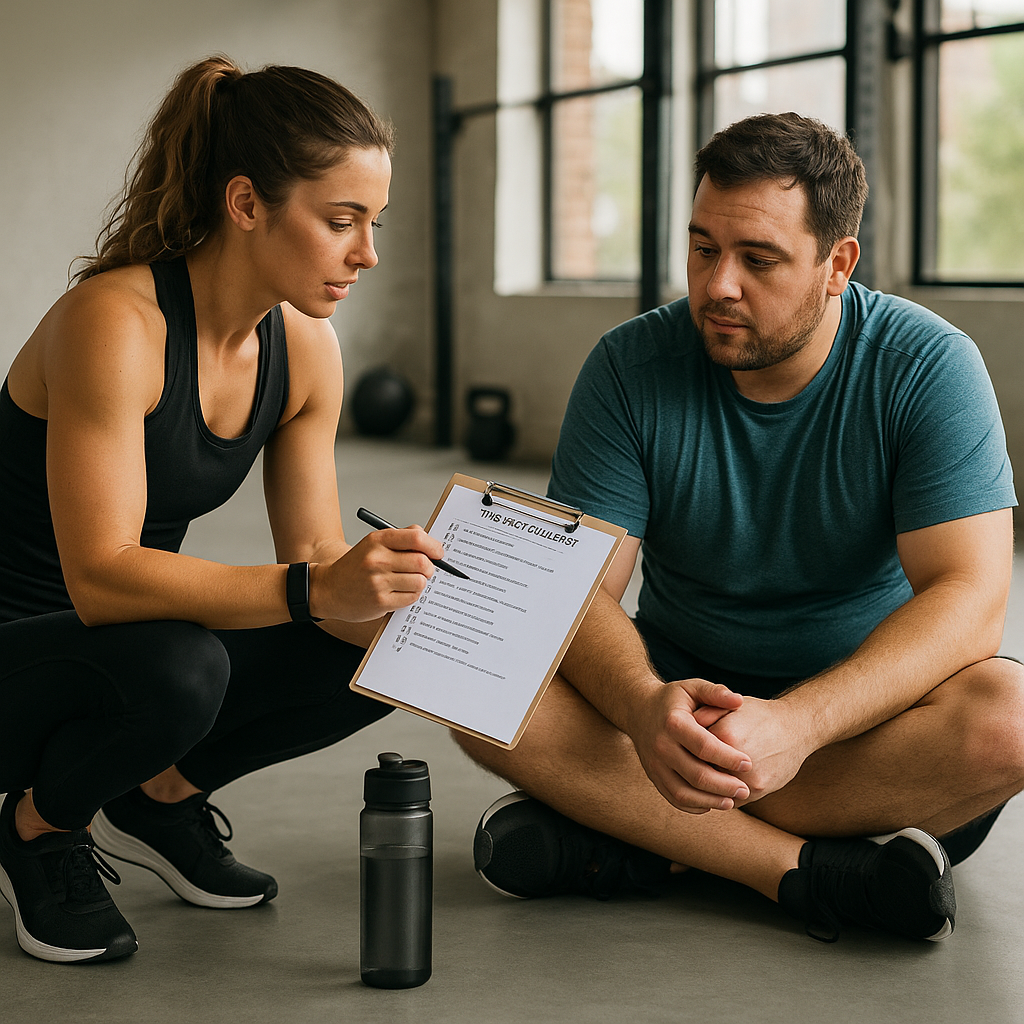
- Starting too hard: Many beginners want to mimic athletes and start at intensities they can't maintain, which can lead to injuries.
- Not warming up properly: Skipping the warm-up is a serious mistake that can cause injuries. Spend at least 5-10 minutes preparing your muscles.
- Ignoring technique: Incorrect form can make your workout ineffective. Make sure to learn the proper technique for each exercise.
- Overlooking recovery: Rest is crucial. An excessively intense program without recovery days can lead to burnout and injuries.
- Lack of variation: Doing the same exercises all the time can lead to stagnation. Introduce variety into your routines to keep interest and progress alive.
- Not tracking your progress: Without a record, it can be hard to notice your advancements and areas for improvement. Keeping a workout journal can be very helpful.
Quick Tips
To ensure your HIIT experience is both safe and effective, here are some quick tips:- Start slow: If you're new to exercise, begin with 15-20 minute sessions and gradually increase duration and intensity.
- Listen to your body: If you feel pain or discomfort, don’t hesitate to stop and adjust the intensity.
- Stay hydrated: Keep well-hydrated before, during, and after your HIIT session.
- Set a plan: Schedule your HIIT sessions regularly, but don’t forget to include active rest days.
- Include low-impact exercises: To minimize the risk of injury, incorporate exercises like cycling or swimming into your routine.
- Use a timer: Keeping track of your intervals with a timer will help you organize your session better.
Mini Case Study
Imagine you decide to implement HIIT into your weekly routine. Here’s a brief plan you can adopt:- Day 1: 20 minutes of HIIT. 30 seconds of running followed by 1 minute of walking, repeated 10 times.
- Day 2: Active rest. Walk for 30 minutes at a light pace.
- Day 3: 20 minutes of HIIT. 45 seconds of burpees followed by 1 minute of rest, repeat 8 times.
- Day 4: Full rest.
- Day 5: 30 minutes of HIIT on a bike, alternating 1 minute at high intensity with 2 minutes at low intensity.
- Days 6 and 7: Rest or light activity, such as yoga or stretching.
Common Mistakes (Expanded)
Mistakes in HIIT are common, but they can be avoided. For example, the lack of a proper routine can lead to frustration. Make sure to have a specific training calendar. Also, some beginners underestimate the importance of strength training in their program, which is essential for improving overall physical performance. Don’t forget to include these aspects.Quick Tips (Expanded)
Remember not only to set realistic goals but also to celebrate your achievements, no matter how small. This can be a great motivational boost. Another key tip is to try different types of HIIT, from bodyweight circuits to weight sessions, to find what you enjoy most and what motivates you.Frequently Asked Questions (FAQ)
How many times a week should I do HIIT?
We recommend doing it 2 to 3 times a week for beginners, leaving rest or recovery days between sessions.Is HIIT suitable for everyone?
Not necessarily. Consult a doctor before starting if you have pre-existing health issues or are undergoing treatment.Can I do HIIT at home?
Yes, you can. There are numerous exercises you can do without equipment, such as jumps, push-ups, or squats.Do I need special equipment?
No, it’s not necessary. With a good pair of sports shoes and a few alternatives like resistance bands, you can perform effective exercises.Is HIIT just for weight loss?
No. While it is effective for weight loss, it also improves cardiovascular endurance and muscular strength.Conclusion
HIIT can be a powerful tool for improving your fitness, but it should always be done with caution. By following this essential HIIT safety checklist for beginners, you can enjoy your training sessions without compromising your well-being. Remember that the most important thing is to listen to your body and enjoy the process. Happy training!External Authority Resource
Reviewed by Toni Berraquero
Published: 11/05/2026. Content reviewed using experience, authority and trustworthiness criteria (E-E-A-T).
Published: 11/05/2026. Content reviewed using experience, authority and trustworthiness criteria (E-E-A-T).
Responsible use of AI
This article may have used artificial intelligence tools to support structure, editing, translation or review. Editorial responsibility and final review remain with Toni Berraquero. View AI policy
This article may have used artificial intelligence tools to support structure, editing, translation or review. Editorial responsibility and final review remain with Toni Berraquero. View AI policy

☕ If this genuinely helped…
You can support the project or share this article in one click. At least this block does something useful.