
Military Press vs Behind-the-Neck Press: Which is Better? The Uncomfortable Truth No One Tells You

Military Press or Behind-the-Neck Press? Here’s What You Need to Know
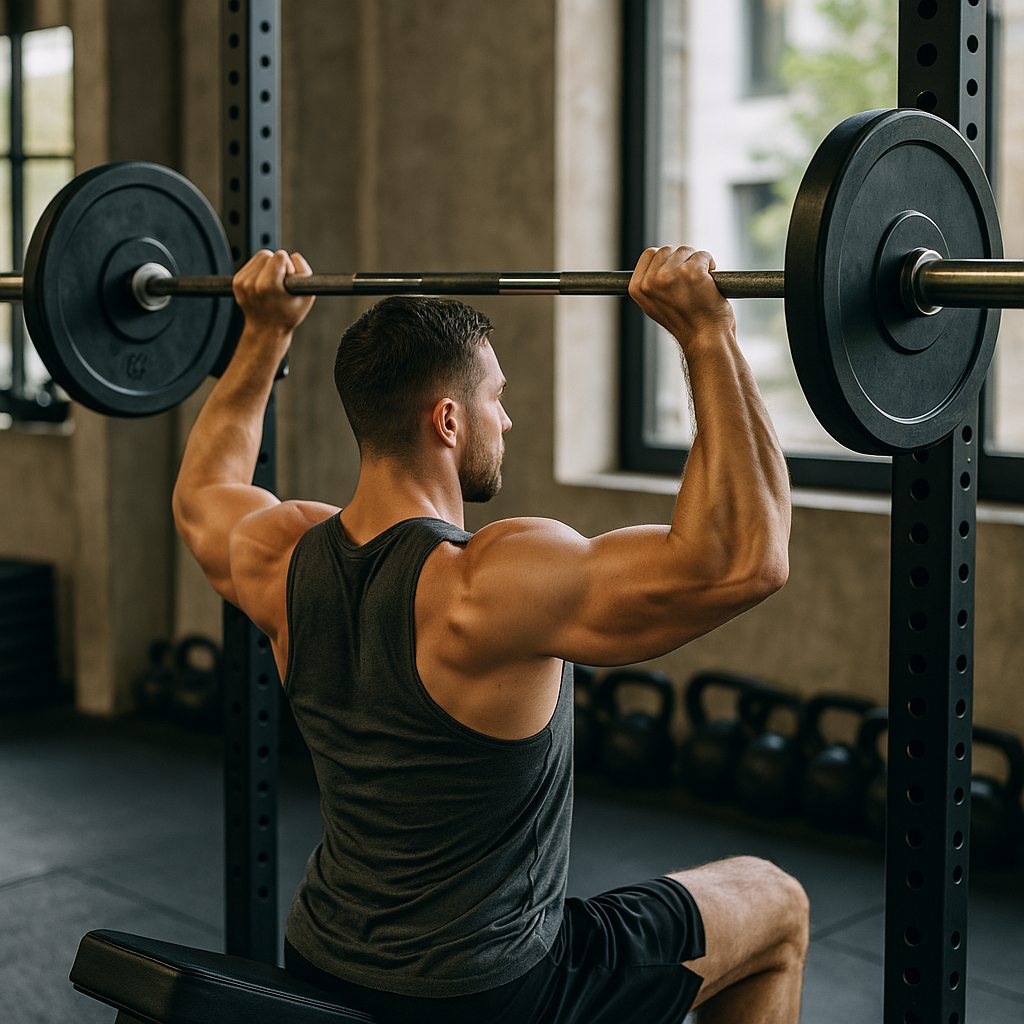
The military press and the behind-the-neck press are two exercises that spark debate among weightlifting enthusiasts. Which one is better? That’s the million-dollar question. But don’t worry, we’re going to break down the good, the bad, and the ugly of each. Get ready to take notes, because this is going to get interesting.
Benefits of the Military Press
The military press primarily works the shoulders, but let’s not forget it also engages the triceps and the upper chest. Here are some advantages:
- Functional Strength: Improves your ability to lift heavy objects in everyday life.
- Stability: Increases shoulder stability, crucial for any athlete.
- Posture: By strengthening the trunk muscles, it contributes to better posture.
And as if that weren’t enough, it’s also an excellent exercise for building muscle mass. If you’re looking for a more defined body, the military press is your ally.
Benefits of the Behind-the-Neck Press
The behind-the-neck press, that famous exercise everyone loves and fears in equal measure. Here are its strong points:
- Complete Activation: Works more muscles than you might think, including the trapezius and the middle back.
- Range of Motion: Allows for a greater range of motion, which can be advantageous for some.
- Symmetrical Development: When done correctly, it promotes balanced development of the upper body.
However, be careful: this exercise isn’t for everyone. If you don’t have good shoulder mobility, you could end up with discomfort. And that, my friend, is something we want to avoid.
Routine to Alternate Both Exercises
If you’ve already decided on one (or both), here’s a basic routine to integrate them. Remember, the key is in the technique, not the weight.
Example Weekly Routine
- Day 1: Military Press
- Warm-up: 10 minutes of shoulder mobility.
- 3 sets of 8-12 repetitions.
- Day 2: Behind-the-Neck Press
- Warm-up: 10 minutes of shoulder mobility.
- 3 sets of 8-10 repetitions.
- Day 3: Rest or mobility exercises
- Day 4: Repeat cycle
And so on. Remember that progression is key: increase the weight only when you’re sure your technique is flawless.
Common Mistakes
Now, let’s talk about the mistakes that could cost you an injury or just a poor workout. Knowing yourself is the first step to avoiding the trap.
- Poor Posture: Whether in the military press or the behind-the-neck press, bad posture can lead to injuries. Keep your back straight and don’t arch your lower back.
- Excessive Weight: No, you’re not Superman. If you can’t maintain your technique, lower the weight.
- Jerky Movements: The key is control. If it looks like you’re jerking, you’re probably doing something wrong.
Remember, ego in the gym can cost you dearly.
Quick Tips
Take note of these tips that will help you avoid problems and make the most of your sessions:
- Always warm up before you start lifting. Your muscles will thank you.
- Use a mirror or ask a buddy to help correct your technique.
- Listen to your body. If you feel pain, stop. You’re not a hero for continuing to lift.
- Vary your routine every so often to avoid plateauing.
FAQ: Frequently Asked Questions
Is the military press better than the behind-the-neck press?
It depends on your goals and anatomy. Both have unique benefits.
Can I do both in the same session?
Yes, if you have the energy and time. Just make sure not to overload your shoulders.
Which is safer?
Generally, the military press is considered safer for most people. The behind-the-neck press requires good mobility.
Published: 05/05/2026. Content reviewed using experience, authority and trustworthiness criteria (E-E-A-T).
This article may have used artificial intelligence tools to support structure, editing, translation or review. Editorial responsibility and final review remain with Toni Berraquero. View AI policy

You can support the project or share this article in one click. At least this block does something useful.