
Pre-workout: Which Ingredients Matter and Which Are Just Filler

Sometimes, between work, commitments, and the gym, it's not easy to find the energy needed to give your all in every workout. This is where pre-workout supplements and their ingredients come into play. However, not all components are equally useful. Let's break down which pre-workout ingredients really make a difference and which are just filler, like that boring conversation at the office.
What is a pre-workout and why do you need it?
A pre-workout is a supplement designed to be taken before exercising, with the goal of increasing energy, improving focus, and ultimately enhancing physical performance. The key lies in the ingredients; some are true allies, while others are like that coworker who always shows up late and contributes nothing. The idea is to find a blend that helps you give your best without your body getting worn out from unnecessary chemicals.
Key Ingredients in a Good Pre-Workout
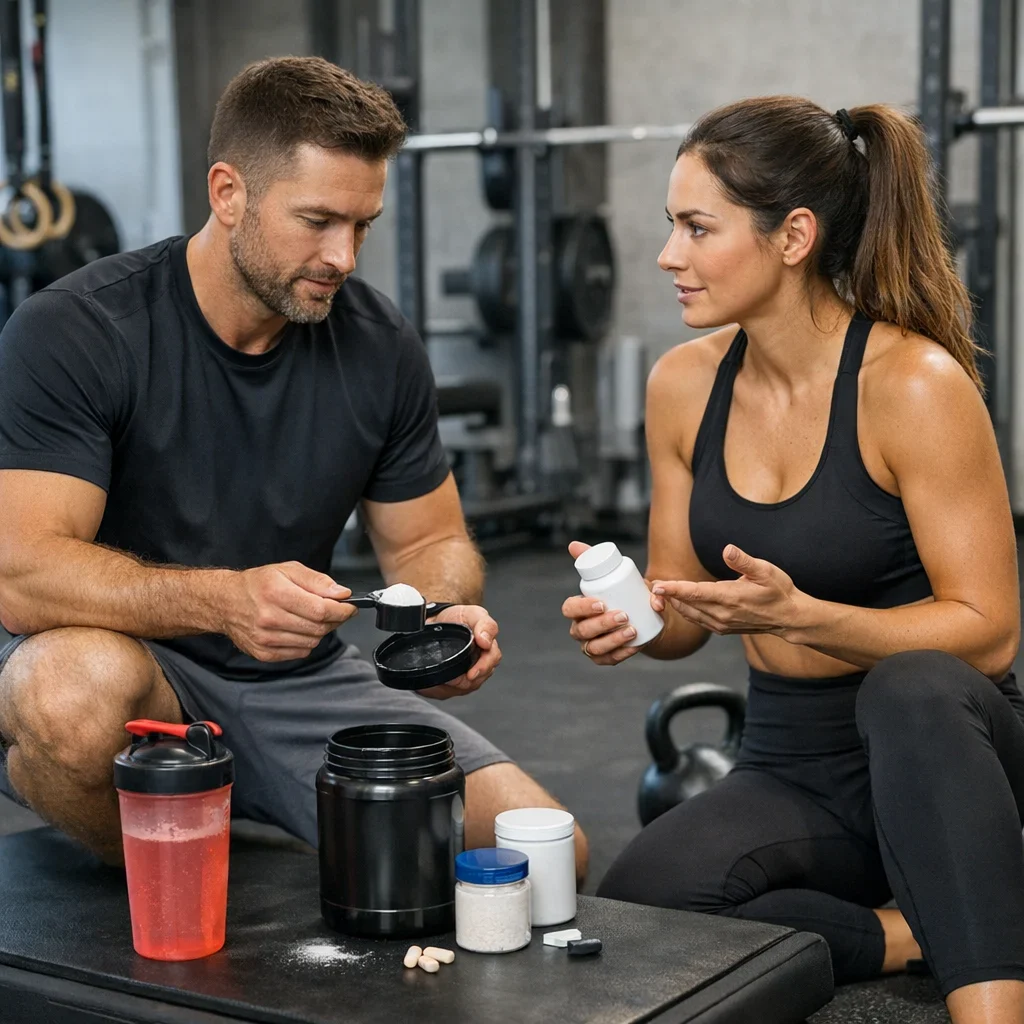
When choosing a pre-workout, there are certain ingredients you should look for. Here’s a summary of the most relevant ones:
- Caffeine: A classic for boosting energy and improving concentration.
- Beta-Alanine: Helps delay muscle fatigue, ideal for intense workouts.
- Citrulline: Promotes blood circulation and reduces fatigue.
- BCAAs (Branched-Chain Amino Acids): Aid in recovery and reduce post-workout muscle soreness.
- Creatine: Enhances strength and performance in explosive exercises.
Ingredients to Avoid
Now that you know what to look for, let’s move on to the ingredients that are like decaf coffee: they don’t contribute anything. Here are some of them:
- Added Sugars: Only provide empty calories and can cause energy spikes followed by crashes.
- Excessive Doses of Stimulants: More isn’t always better; they can lead to anxiety and palpitations.
- Unclear Ingredients: If you don’t know what it is, you probably shouldn’t consume it.
Common Mistakes When Choosing a Pre-Workout
It’s easy to fall into the trap of supplements. Here are some common mistakes to avoid:
- Choosing based on flavor rather than composition.
- Ignoring recommended dosages.
- Trusting brands solely based on their popularity.
- Not reading labels carefully.
Quick Tips for Choosing Your Pre-Workout
- Look for a clear and understandable label.
- Prioritize the ingredients we’ve already mentioned.
- Consult a professional if you have doubts about what you need.
- Start with low doses to assess your tolerance.
| Element | What to Check | Red Flag | Action |
|---|---|---|---|
| Caffeine | Content in milligrams | More than 300 mg per dose | Reduce the dose |
| Beta-Alanine | Presence in the ingredient list | Not present or in very low amounts | Change product |
| Citrulline | Concentration in the product | Less than 6 g per dose | Look for another option |
| Added Sugars | Read the ingredient label | More than 5 g per serving | Avoid that pre-workout |
The Importance of Timing in Pre-Workout
Taking your pre-workout at the right time can be the difference between a mediocre workout and an outstanding one. It’s not just about gulping down the powder and rushing to the gym; there’s an art to timing. Here are some practical tips to ensure you’re on point:
- 20-30 minutes before: This is the golden window. Most active ingredients reach their peak effect during this time frame.
- Avoid taking it on an empty stomach: While some can tolerate it, it’s best to have something in your stomach to avoid discomfort. A banana or a handful of nuts can work wonders.
- Test it out: If it’s your first time using a pre-workout, start with lower doses and adjust the timing based on how you feel. It’s like adjusting the thermostat: a little more here, a little less there.
Pre-Workouts and Their Relationship with Hydration
Hydration is another factor that is often overlooked. No matter how powerful your pre-workout is, if you’re dehydrated, you won’t perform at your best. Here are some key points:
- Water before the pre-workout: Drink enough water before taking your supplement. A good rule is to have at least a glass of water 30 minutes prior.
- Hydration during exercise: Bring a bottle with you and make sure to drink during your workout. This will help maintain energy and prevent cramps.
- Post-workout: Rehydrate after training. A protein shake with water or milk can also help replenish fluids and nutrients.
The Placebo Effect and Your Mindset
Don’t underestimate the power of the mind. Sometimes, the pre-workout can be more effective based on how you feel about it. Here are some tips to maximize the effect:
- Visualize your workout: Before starting, close your eyes and visualize how you see yourself performing at your best. This can activate that extra push you didn’t even know you had.
- Choose your music: Music can be a great motivator. Prepare a playlist that gets you in the right mood. There’s nothing like a good beat to make you feel unstoppable!
- Set realistic goals: Establishing achievable objectives, even if they’re small, can give you that psychological boost you need to give your all at the gym.
What About Natural Pre-Workouts?
If you prefer to avoid commercial supplements, don’t worry. There are natural ways to get that boost. Here are some ingredients you can find in your pantry:
- Coffee: A cup of coffee can provide the caffeine needed for a good workout. Plus, it’s more natural and may be easier on your body.
- Banana and Spinach Smoothies: This mix is not only delicious but also provides energy and essential nutrients.
- Oatmeal: A bowl of oatmeal with fruits and a bit of honey will give you the sustained energy you need for a long workout.
So now you know, not everything that glitters is gold, and not every pre-workout is what it seems. The key is to educate yourself, listen to your body, and most importantly, enjoy the process. Don’t get carried away by trends or what the latest social media buzz says; at the end of the day, you’re the one who has to perform in the gym. Go for it!
The Science Behind Pre-Workout Ingredients
When we talk about pre-workouts, it’s not just about mixing powders and hoping for magic. There’s a science behind each ingredient. Let’s see how some of them work in your body and why they’re more than just additives in a bottle.
Caffeine: The King of Stimulants
Caffeine is a well-known player in the fitness world. It not only boosts energy but can also enhance endurance and performance. How does it do this? By blocking adenosine, a substance in the brain that makes you feel tired. But be careful, don’t overdo it; too much can leave you shaking as if you’ve had a triple espresso at a roadside diner.
Beta-Alanine: The Guardian of Your Muscles
Beta-alanine acts as a buffer against the buildup of lactic acid in your muscles. This means you can train harder and longer before feeling like your legs are on fire. It’s like having a little bodyguard protecting you from muscle pain. But don’t expect immediate results; its effect is cumulative, so patience is key.
Citrulline: The Natural Vasodilator
Citrulline improves blood flow and helps eliminate ammonia, a byproduct of exercise that can cause fatigue. In other words, it’s like opening the windows of your body to let in fresh air and make you feel more alive. Plus, it can aid in post-workout recovery, so don’t underestimate it.
Pre-Workouts and Their Impact on Mental Health
Training isn’t just physical; it’s also mental. A good pre-workout can give you that psychological boost you need to step out of your comfort zone. Here are some ways these supplements can influence your mindset:
- Confidence: Knowing you have an extra boost of energy can make you feel more confident in the gym.
- Focus: Ingredients like caffeine not only stimulate the body but also improve concentration, helping you keep your mind in the game.
- Ritual: Taking your pre-workout can become a ritual that mentally prepares you for exercise, like a little act of self-care before a big event.
But remember, mindset is just one part of the puzzle. Don’t fall for the idea that pre-workout is a magic solution. Discipline and consistency are your best allies. So, if you decide to incorporate it, do so mindfully and in balance.
The Importance of Personalizing Your Pre-Workout
Not everyone is the same, and what works for one may not work for another. Here are some considerations for personalizing your pre-workout:
- Assess Your Activity Level: If you’re a beginner, you might not need a potent pre-workout. A simple coffee might be enough.
- Consider Your Goals: If you’re looking to gain muscle mass, prioritize ingredients like creatine and BCAAs. If endurance training is your thing, beta-alanine and citrulline are your best friends.
- Listen to Your Body: If you feel that an ingredient doesn’t sit well with you or causes anxiety, try another product or reduce the dose. There’s no one-size-fits-all formula.
Personalization can be the key to maximizing your performance and enjoying your workouts more. So, get experimenting! Do it wisely, and don’t forget to keep a training journal to see which ingredients make you feel better.
In summary, pre-workouts can be a useful tool, but they should be used wisely. Know the ingredients, personalize your approach, and above all, keep an open mindset. Let’s get training!
FAQ about Pre-Workouts
Is pre-workout necessary for everyone?
No, it’s not necessary for everyone. If you’re already following a balanced diet and have enough energy, you can do without it. However, it can be helpful for those who train intensely or have a very tight schedule.
Can I take pre-workout every day?
Ideally, you shouldn’t overdo it. Using it occasionally or on intense training days is recommended. Consulting with a doctor or nutritionist is always a good idea if you plan to use it daily.
How long before training should I take it?
Generally, it’s recommended to take it 20 to 30 minutes before starting your workout for the ingredients to take effect. But, be careful! Each product may vary, so it’s always good to read the manufacturer’s instructions.
Can I mix different pre-workouts?
It’s not advisable. Mixing different products can lead to an overdose of certain ingredients and cause unwanted side effects. It’s better to choose one that fits your needs.
Do pre-workouts affect long-term health?
Moderate and mindful use of pre-workouts is generally safe. However, excessive and uncontrolled use can have adverse effects, so it’s always good to monitor how you feel and consult a professional if doubts arise.
Now that you have clear information about pre-workout ingredients, there are no excuses for not getting the most out of your workouts. Choose wisely, train hard, and go for it!
Published: 11/05/2026. Content reviewed using experience, authority and trustworthiness criteria (E-E-A-T).
This article may have used artificial intelligence tools to support structure, editing, translation or review. Editorial responsibility and final review remain with Toni Berraquero. View AI policy

You can support the project or share this article in one click. At least this block does something useful.