
Protein: Easy Food List (No Nonsense)
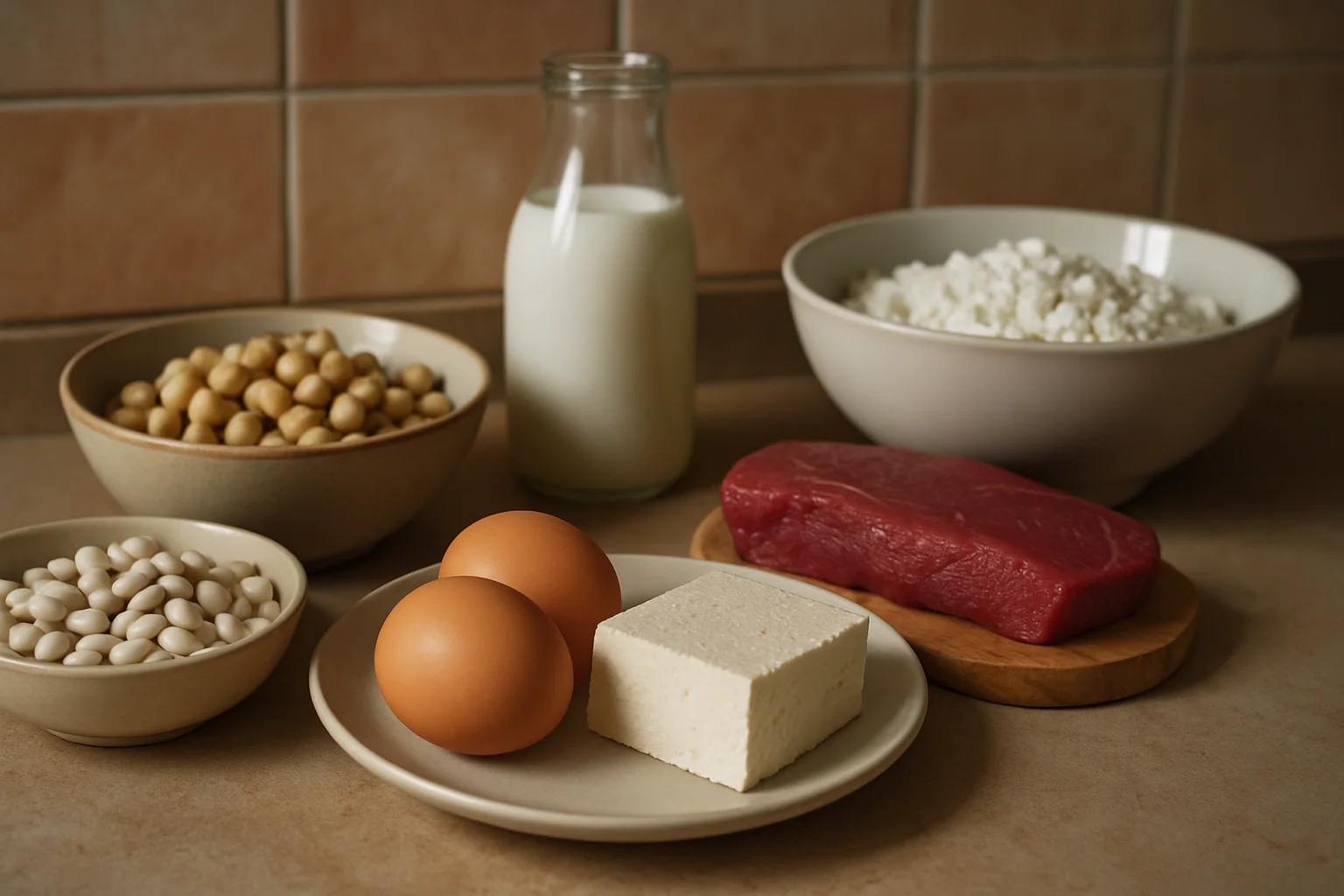
In Spain, the search for protein-rich foods has become almost as popular as the debate over whether paella should include seafood. With the rise of fitness and active living, understanding what to eat to increase our protein intake has become a priority for many. Here’s a list of simple and accessible foods that will help you meet your goals without the need for dietary juggling or pretentiousness. Let’s get to it!
Why are protein-rich foods important?
Protein is one of the essential macronutrients that our body needs to function properly. It’s not only key for building and repairing tissues, but it also plays a fundamental role in the production of hormones and enzymes. Additionally, protein-rich foods help keep us feeling full for longer, which is a plus if you’re trying to manage your weight.
List of protein-rich foods

| Food | Protein (per 100g) | Notes |
|---|---|---|
| Chicken breast | 31g | Versatile and easy to cook. |
| Canned tuna | 30g | Perfect for salads and sandwiches. |
| Eggs | 13g | Great source of protein and easy to prepare. |
| Quinoa | 14g | A vegan option rich in amino acids. |
| Greek yogurt | 10g | Ideal for breakfasts and snacks. |
| Legumes (lentils, chickpeas) | 9g | Inexpensive and nutritious, don’t underestimate them! |
Common mistakes when choosing protein-rich foods
- Not diversifying protein sources. Relying solely on meat can be a mistake. Mix it up with legumes, dairy, and nuts.
- Ignoring protein quality. Not all proteins are created equal; look for options rich in essential amino acids.
- Disregarding vegetables. Many have more protein than we think, like broccoli or spinach.
- Relying only on supplements. A balanced diet is key; supplements are just that, supplements.
Quick tips to increase your protein intake
- Include a source of protein in every meal. It’s not as hard as it seems.
- Opt for protein-rich snacks, like nuts or Greek yogurt.
- Try adding legumes to your stews and salads. They’re a great ally!
- Do batch cooking of chicken or fish to always have options ready.
- Use protein powder in smoothies if you need an extra boost, but don’t obsess over it.
FAQ about protein-rich foods
How much protein should I consume daily?
The amount of protein you need depends on several factors, such as your age, sex, and activity level. Generally, it’s recommended to consume between 0.8 and 2g of protein per kilogram of body weight. If you are very active or looking to gain muscle mass, you may need more.
Is it possible to get enough protein without eating meat?
Absolutely! There are many plant-based sources of protein, such as legumes, tofu, tempeh, and quinoa. You can achieve adequate intake by combining different sources throughout the day.
What foods are best for post-workout?
For recovery after exercise, look for foods that contain protein and carbohydrates. Some good options are a protein shake with banana or Greek yogurt with fruits. The key is to combine for optimal recovery.
Are protein supplements necessary?
They are not essential. Ideally, you should get protein from natural sources. Supplements can be helpful if you have trouble reaching your daily goals, but they do not replace a balanced diet.
Can I eat too much protein?
Yes, as with everything, excess is not good. High protein intake can affect the kidneys and liver, especially if you have pre-existing issues. It’s best to maintain balance in your diet.
Updated on 05/05/2026. Content reviewed using experience, authority and trustworthiness criteria (E-E-A-T).
This article may have used artificial intelligence tools to support structure, editing, translation or review. Editorial responsibility and final review remain with Toni Berraquero. View AI policy

You can support the project or share this article in one click. At least this block does something useful.