
Practical Applications of AI in Cybersecurity
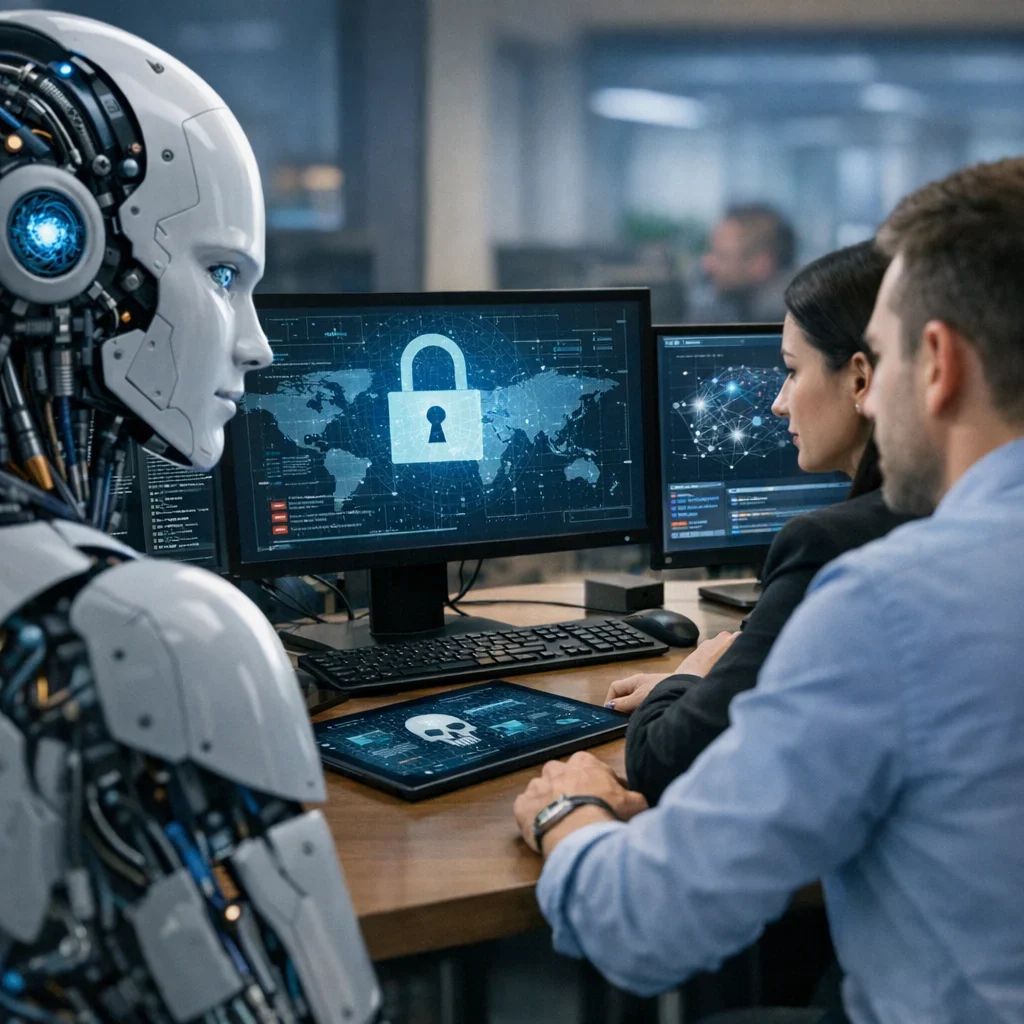
AI in cybersecurity is not just a sci-fi concept from movies; it's an increasingly essential tool in our daily lives, whether at work, home, or even while tracking your workouts at the gym. The reality is that cybersecurity has become crucial for protecting sensitive information, and with the growing threat of cyberattacks, artificial intelligence is emerging as a key ally. But don't worry, we won't be discussing robots taking over the world. Instead, let's explore practical and realistic uses of AI in this field.
How Can AI Assist in Cybersecurity?
You can support the project by sharing this article or saving it for later.
AI can provide multiple solutions that help businesses and individual users keep their data safe. Here are some of the most notable uses:
- Threat Detection: AI can analyze behavior patterns and detect anomalies that may indicate an imminent attack.
- Automated Responses: In the event of incidents, AI can automatically activate response protocols, minimizing reaction time.
- Predictive Analysis: The ability to predict attacks before they occur, based on historical data, allows organizations to better prepare.
- Data Protection: AI can assist in encrypting information and ensuring that only authorized parties have access to it.
Common Mistakes in Implementing AI in Cybersecurity
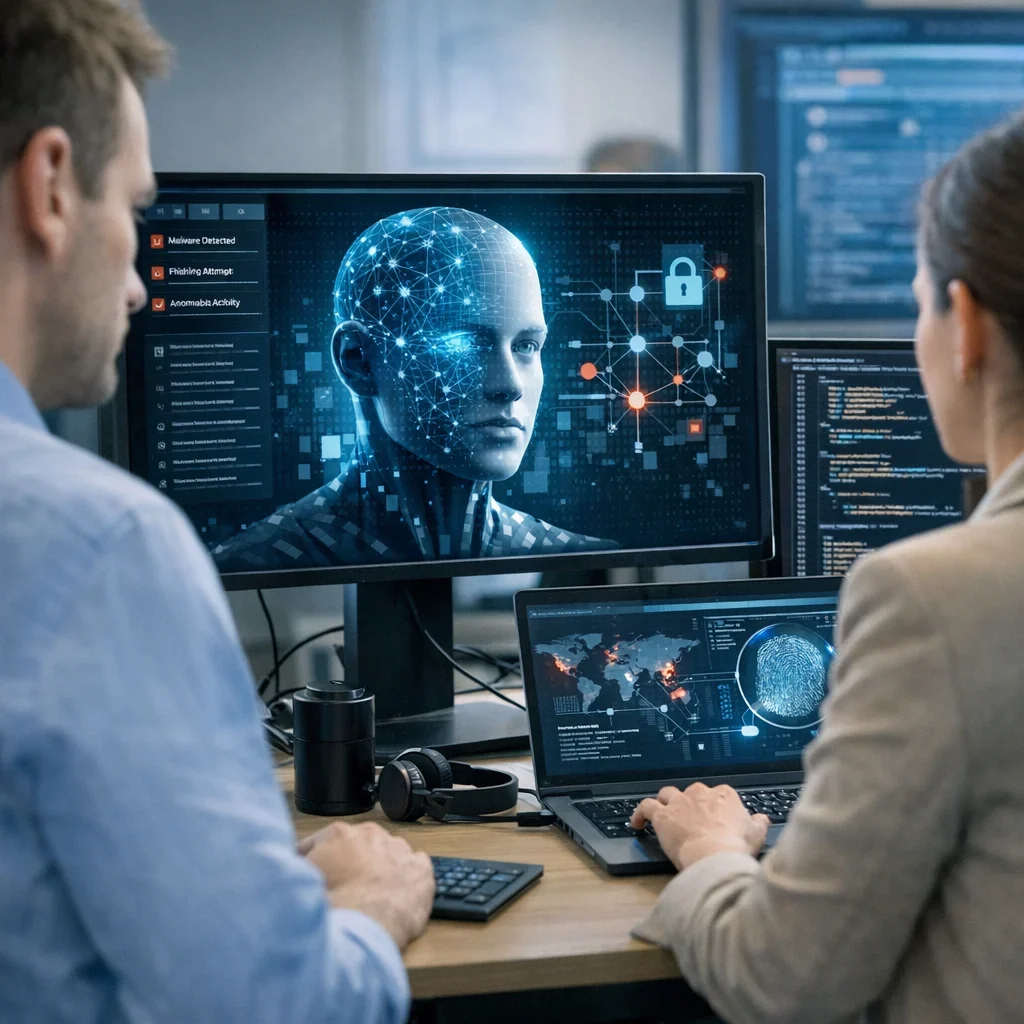
Implementing AI without a clear approach can lead to numerous mistakes. Here are some of the most common:
- Not defining clear objectives: AI needs specific goals to be effective.
- Underestimating the importance of data: Without quality data, AI cannot function properly.
- Ignoring staff training: Teams must be trained to make the most of these tools.
- Blindly trusting technology: AI is not infallible and requires human oversight.
Quick Tips for Effective AI Implementation in Cybersecurity
- Set clear and measurable objectives.
- Invest in training for your team.
- Conduct regular data audits.
- Maintain constant oversight of AI systems.
- Involve your IT teams in the process from the start.
| Element | What to Check | Red Flag | Action |
|---|---|---|---|
| Traffic Patterns | Analyze network access trends | Anomalous traffic increase | Conduct a thorough investigation |
| Software Updates | Ensure all systems are updated | Outdated versions | Schedule immediate updates |
| Unauthorized Access | Review access logs | Access from unknown IPs | Block suspicious IPs |
| Response Protocols | Verify that action plans exist | Lack of a clear plan | Create or update the response protocol |
Challenges of AI in Cybersecurity
While AI can be a powerful ally, it also brings a series of challenges that we cannot ignore. Here are some of the most relevant:
- False Positives: AI can generate alerts that are not real threats, leading to wasted time and resources on investigations.
- Adapting Attackers: Cybercriminals also use AI to evade security systems, creating a constant cat-and-mouse game.
- Technological Dependence: Over-reliance on AI can result in a lack of preparedness for incidents requiring human intervention.
- Data Privacy: Collecting data to train AI systems can raise privacy issues, especially if not handled properly.
Examples of Challenges in Action
Imagine your AI system generates alerts about a potential attack, but it turns out to be just an employee testing the network. This not only consumes time but can also divert attention from real threats. On the other hand, if an attacker uses AI techniques to modify their behavior and evade your system, you could be in serious trouble.
Best Practices to Mitigate AI Risks in Cybersecurity
For AI to be effective in cybersecurity, it is crucial to follow some best practices that will help minimize risks:
- Continuous Training: Ensure your team is constantly updated on new threats and AI techniques.
- Implement a Hybrid Approach: Combine AI with human judgment. Technology can do a lot, but intuition and experience are irreplaceable.
- Regular Assessments: Conduct regular audits of your AI systems to identify potential vulnerabilities and improve performance.
- Clear Privacy Policies: Establish guidelines on how data is collected and used to train your AI models.
Mini Table of Best Practices
| Practice | Description | Benefit |
|---|---|---|
| Continuous Training | Train the team on new technologies and threats | Improve incident response |
| Hybrid Approach | Combine AI with human oversight | Reduce false positives and errors |
| Regular Assessments | Regular audits of AI systems | Identify and fix vulnerabilities |
| Privacy Policies | Clear guidelines on data usage | Protect sensitive information |
Remember, AI in cybersecurity is not a panacea, but with a clear approach and careful implementation, it can be a valuable resource for protecting your data. So, above all, keep a cool head and don't get swept away by technology trends. The key is to find the right balance.
The Role of AI in Cybersecurity: Beyond the Obvious
AI in cybersecurity is not just here to make noise; its true value lies in the ability to customize and adapt defenses according to the specific needs of each organization. But how does this translate into practice? Let me break it down for you.
Real-Time Adaptation
Imagine your security system is like a tailored suit. AI can adjust its measurements and features according to changes in the digital environment. This means that as new threats arise, your system can learn and adapt without you having to lift a finger. To make this work, consider the following:
- Constant Monitoring: AI should always be alert, analyzing traffic and interactions in your network.
- Continuous Learning: Leverage machine learning algorithms that feed on every new data point to improve performance.
- Integration of Data Sources: Connect different sources of information so that AI has a more comprehensive view of the threat landscape.
Practical Example
Suppose your company receives a phishing attack attempting to impersonate a supplier. A well-trained AI system can identify patterns in the email, such as the sender's address or the way the message is written, and alert you before anyone falls into the trap. The result? Less time wasted and reduced risk of compromising sensitive information.
AI as an Ally in Incident Response
When a security incident occurs, every second counts. This is where AI can shine, not only in detection but also in response. The question is: are you prepared to take advantage of this advantage?
Automating Responses
AI can help automate response processes, making incident management faster and more efficient. Consider implementing the following:
- Automated Response Protocols: Define specific actions that AI can take when an incident is detected.
- Attack Simulations: Conduct simulation exercises to evaluate how your AI system responds to different types of threats.
- Post-Incident Analysis: Use AI to analyze what went wrong and how the response can be improved in the future.
Example of Automated Response
Imagine your system detects unauthorized access to sensitive data. Instead of waiting for a human to review the incident, AI can immediately isolate the access and send alerts to administrators. This not only minimizes damage but also allows the team to focus on more critical tasks.
Ethical and Privacy Considerations in AI Use
Not everything that glitters is gold. Implementing AI in cybersecurity also raises ethical and privacy issues that we cannot overlook. Collecting data is essential for training AI systems, but it must be done carefully.
What to Consider?
- Informed Consent: Ensure users are aware of what data is collected and how it is used.
- Transparency: Maintain clear policies regarding data and AI usage, avoiding unpleasant surprises for users.
- Data Security: Protect collected information to prevent leaks that could compromise user privacy.
Mini Table of Ethical Considerations
| Consideration | Description | Example |
|---|---|---|
| Informed Consent | Users must know what data is collected | Visible privacy policy on the website |
| Transparency | Clearly communicate AI usage | Regular reports to users about data usage |
| Data Security | Protect sensitive information collected | Implementation of encryption in the database |
In summary, AI in cybersecurity can be a powerful ally if used consciously and responsibly. It's not just about putting trendy technology in your company; it's about building a system that responds to the changing needs of the digital environment. So, when implementing AI, remember that the balance between technology, ethics, and human training is the key to success.
Updated on 11/10/2025. Content verified with experience, authority, and trustworthiness (E-E-A-T) criteria.
What AI Tools Are Used in Cybersecurity?
There are several tools that employ AI to enhance cybersecurity. Here are some of the most relevant:
- SIEM (Security Information and Event Management): Solutions that analyze and correlate security events to detect incidents.
- AI-Powered Antivirus: Provide active protection and behavior analysis to detect malware.
- Orchestration Platforms: Automate incident response and can communicate between different security systems.
Frequently Asked Questions about AI and Cybersecurity
Can AI Replace Cybersecurity Experts?
No, AI is a tool that complements the work of experts. While it can automate certain tasks, human judgment remains essential in cybersecurity.
Is Implementing AI in Cybersecurity Expensive?
The investment can be high, but in the long run, the benefits of preventing attacks and protecting data often outweigh the initial costs. Additionally, there are options tailored to different budgets.
How is the Effectiveness of AI in Cybersecurity Measured?
It can be measured through metrics such as the reduction in response time to incidents, the number of threats detected, and the effectiveness in preventing attacks.
Is It Enough to Rely Solely on AI for Cybersecurity?
No, it is crucial to have a comprehensive approach that combines technology and staff training. AI can help, but it does not replace the need for robust security protocols and human oversight.
Where Can I Learn More About AI in Cybersecurity?
You can check resources like ENISA, which offers guides and studies on the use of AI in cybersecurity.