
Recovery: Sleep Better to Perform Better (No Apps)
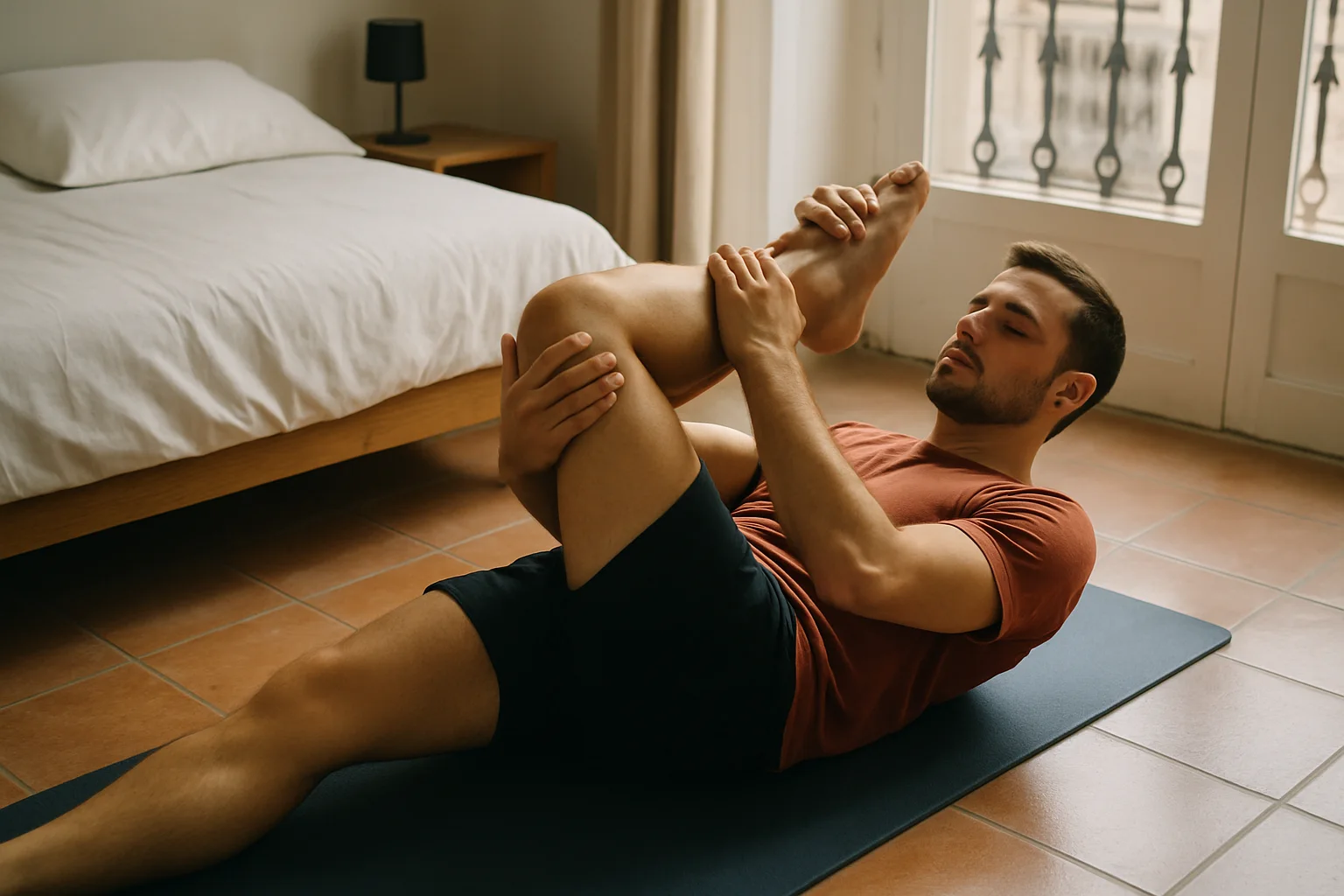
In the world of fitness and training, one of the best-kept secrets for sleeping better to train is closer than you think: it's in your pillow. In Spain, where the pace of life can be frantic and the culture of "not sleeping" is prevalent, it's crucial to understand that good rest is not just a luxury, but a necessity for those looking to improve their physical performance. Let's explore how to achieve this without relying on apps that promise more than they deliver.
The Science Behind Sleep and Performance
We won't bore you with scientific data, but a couple of figures won't hurt. Studies show that a good night's sleep can boost your performance by 20%. That's a statistic you can't ignore if you want your workouts to pay off. The REM phase of sleep, for example, is essential for muscle recovery and memory consolidation, something you need if you want to remember how to lift that 50 kg weight next time.
| Sleep Phase | Average Duration | Training Benefits |
|---|---|---|
| Light Sleep | 10-30 minutes | Transition to deep sleep, body relaxation |
| Deep Sleep | 20-40 minutes | Muscle recovery, cell regeneration |
| REM Sleep | 20-30 minutes | Memory consolidation, creativity |
Common Mistakes That Prevent You from Sleeping Well
- Excessive coffee consumption: That extra cup of coffee before training could cost you a night of insomnia.
- Screen use before bed: The brightness of your phone can be a silent enemy of your sleep.
- Training too late: Intense exercise before bed can activate your body when it should be relaxing.
- Inadequate environment: Sleeping in a messy or noisy room is not the best way to rest.
- Skipping dinner: Going to bed hungry doesn't help you sleep better, especially if you've trained!
Quick Tips to Improve Your Sleep
- Establish a routine: Go to bed and wake up at the same time every day.
- Create a dark and cool environment: Use blackout curtains and keep the temperature between 18-22 degrees.
- Avoid heavy meals at night: Opt for something light that won't keep you awake.
- Engage in a relaxing activity: Read a book or do gentle stretches before bed.
- Limit liquid intake: This will help you avoid those annoying trips to the bathroom during the night.
The Impact of Sleep on Your Training
If you thought sleeping was just a way to pass the time, think again. During sleep, your body performs a series of necessary repairs. Lack of sleep can lead to decreased testosterone, increased cortisol, and overall physical performance that could be better, even if you think you're pushing yourself to the max.

You can support the project or share this article in one click. At least this block does something useful.
Updated on 05/05/2026. Content reviewed using experience, authority and trustworthiness criteria (E-E-A-T).
This article may have used artificial intelligence tools to support structure, editing, translation or review. Editorial responsibility and final review remain with Toni Berraquero. View AI policy
FAQ
How many hours should I sleep to perform better in my training?
The ideal is to sleep between 7 and 9 hours a night. Everyone is different, but that's the general range that promotes optimal performance.
Is it bad to train if I haven't slept well?
Training while sleep-deprived can increase the risk of injury and decrease your performance. Listen to your body and consider doing a lighter session if you haven't rested enough.
What foods can help me sleep better?
Some foods like bananas, nuts, and yogurt can promote better sleep. These foods contain tryptophan, which helps produce melatonin, the sleep hormone.
Can I take supplements to sleep better?
There are supplements like melatonin that can be helpful, but it's always best to consult a professional before starting any. Sometimes, what you need is a good routine rather than a pill.
How can I tell if I'm sleeping well?
If you wake up feeling rested and ready to face the day, that's a good sign. If you feel tired despite spending many hours in bed, it's time to evaluate your sleep habits.
Remember, as we've seen in other guides from Berraquero.com on nutrition and training, prioritizing your sleep is not just a matter of preference, but a smart strategy to maximize your performance. So, what are you waiting for to improve that part of your life? Make sure to sleep better to train better, and you'll see how your efforts pay off. Go for it!