
Resistance Bands Buying Guide for Home Workouts: What to Look for Before Buying in 2026
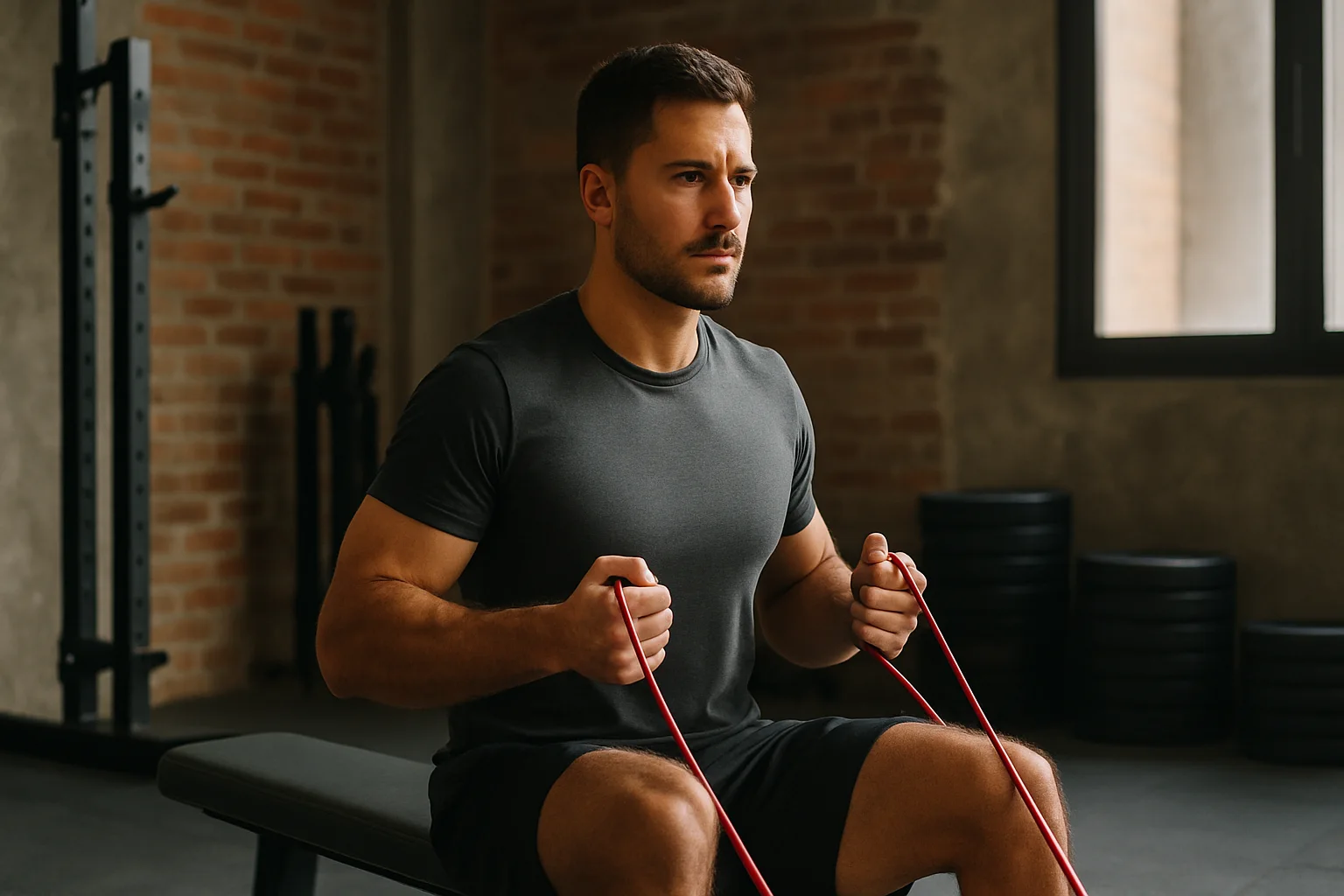
If you're thinking about adding resistance bands to your home routine, this 2026 buying guide will save you time and money. Not all bands are the same, nor do they serve the same purpose. Here’s what really matters when choosing, without jargon or fluff. Because buying a beginner kit is not the same as getting a band to train like a pro. Let’s get to the point.
What Really Changes Between Bands
The first thing you need to know is that the difference isn't just in color or price. Resistance bands vary significantly in materials, thickness, elasticity, and durability. For example, natural latex is usually more durable and elastic than synthetic, but it can also cause allergies. On the other hand, fabric bands are less elastic but withstand wear better and don’t dig into the skin.
Another key point is the resistance they offer. Not all bands come with a clear indication, and often the color isn’t standardized across brands. This can confuse anyone. So, always check the Newtons or pounds they can withstand, if the manufacturer indicates it. If not, you’ll have to try them out or rely on trustworthy reviews.
The shape also varies a lot: there are flat bands, tubular bands with or without handles, and mini bands for legs. Each type has its specific use and they are not interchangeable when training certain muscle groups. For example, to work on your back or biceps, tubular bands with handles are more comfortable and secure.
Did you know that some bands come with accessories like door anchors or exercise guides? It may seem like a bonus, but if you’re training at home with limited space, those details make a difference.
Common Mistakes Everyone Makes When Buying Them
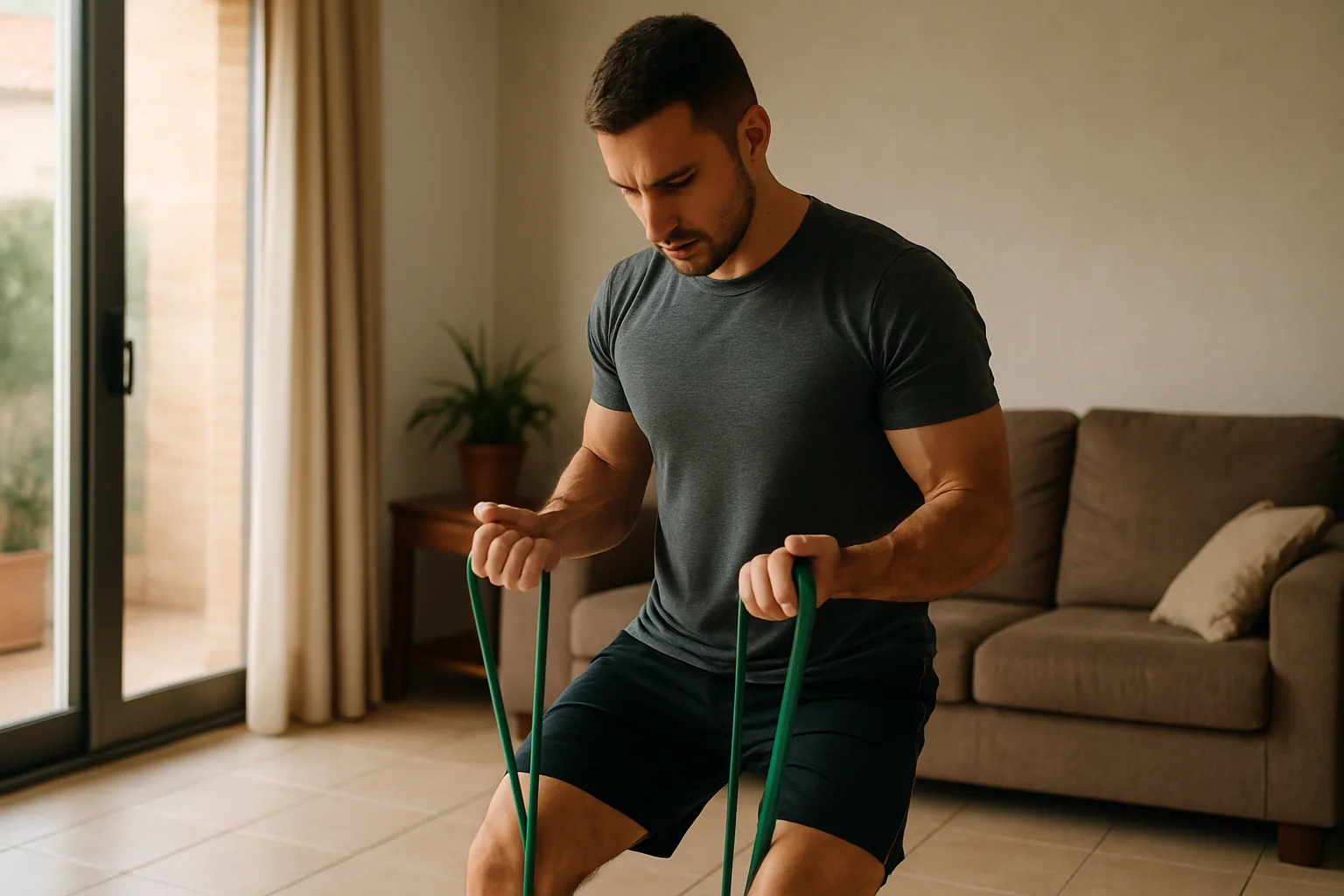
The most common mistake is buying bands without being clear about what you want to use them for. It’s not the same to use them for rehabilitation, to add resistance in bodyweight exercises, or to simulate free weights. This directly affects the resistance you need.
Another frequent mistake is getting carried away by price or brand without checking the actual quality. There are very cheap bands that break within a week and others that, while a bit more expensive, last for years. It’s not worth saving a few euros if you’re going to have to buy another band in a month.
Lastly, many don’t check if the bands come with instructions or usage examples. Without a guide, it’s easy to misuse the band and even get injured. And be careful, not all bands are suitable for training with heavy loads or for long-term progression.
Want to get it right the first time? My advice: define your level and your goal before choosing, and if possible, try them out or look for reviews from users with similar experiences to yours.
What Type of Band Suits You Based on Your Level and Goal
If you’re a beginner or recovering from an injury, flat elastic bands with low resistance are the best to start with. They are gentle and allow for a more gradual control of effort. Fabric mini bands are also ideal for working on mobility and muscle activation without risks.
On the other hand, if you want to train strength or add intensity to your exercises, tubular bands with handles and higher resistance are more suitable. These allow you to simulate weighted movements, like bench press or rowing, and are more versatile.
For high-intensity workouts or advanced athletes looking to load more, it’s ideal to combine several bands to progressively increase resistance. You can also look for bands made with more durable materials that won’t lose elasticity over time.
A nuance that’s not always mentioned: if you’re training legs, mini bands are essential for isolating glutes and abductors. But for back or arms, it’s better to use long bands with handles.
When It’s Worth Spending More and When It’s Not
In 2026, the range of resistance bands is wide and varied. Spending more doesn’t always guarantee better quality, but it often translates to greater durability and comfort. If you’re going to use the bands several times a week or for demanding workouts, investing in a quality kit is a smart decision.
However, if you just want to try them out or do gentle mobility exercises, there’s no point in buying the most expensive kit. A basic natural latex band or even a fabric mini band can work perfectly.
Additionally, paying more may be worth it if the manufacturer offers a warranty or if the kit includes useful accessories, like anchors or carrying bags. These details make training easier and increase the product's lifespan.
That said, be cautious with bands marketed as “ultra-resistant” but that don’t specify technical details. Sometimes, it’s more marketing than reality. And remember that no band lasts forever; maintenance and proper use are key to extending its life.
In the end, the key lies in what you’re looking for and how you train. Don’t just get carried away by price or what you see on social media.
The Importance of Maintenance and Storage to Extend the Lifespan of Your Bands
One aspect that almost no one mentions when talking about resistance bands is proper maintenance and storage. It doesn’t matter if you buy the most expensive or the most durable band on the market: if you don’t take care of it, its lifespan will drastically reduce. For example, natural latex, while more elastic and durable, is particularly sensitive to prolonged exposure to direct sunlight, excessive heat, and humidity. Storing bands in a dark, cool place, away from radiators or windows, can prevent them from cracking or losing elasticity prematurely.
Additionally, after each use, it’s advisable to clean the bands with a damp cloth and mild soap, avoiding harsh chemicals that could damage the material. This not only removes sweat and dirt but also prevents the buildup of bacteria that could harm the band or cause skin irritations. Another practical tip is to periodically check the bands for small cracks or signs of wear. If you notice any imperfections, it’s better to replace them before they break during exercise, which could lead to injuries.
When Less is More: The Risk of Overloading Your Training with Too Many Bands
A subtle but common mistake, especially among those with experience, is accumulating too many bands or combining them without a clear criterion. While the idea of progressively increasing resistance using multiple bands may seem logical, in practice it can lead to technique problems and increase the risk of injuries. For example, if you add bands with very different resistances without properly controlling the total tension, you may lose control of the movement or compensate with other muscles, decreasing the effectiveness of the exercise.
Moreover, using several bands simultaneously can affect the natural trajectory of the movement, especially in dynamic or explosive exercises. This happens because the combined elasticity is not always linear or predictable, and can create uneven tension points. Therefore, instead of buying more bands to “cover all resistances,” it’s better to choose one band that fits your level and goal, and then progress to another with a different resistance range. The quality of movement and correct technique should always take precedence over the amount of resistance.
A Revealing Counterexample: Why the Most Expensive Bands Aren't Always the Best for Rehabilitation
A little-discussed case is that of people in rehabilitation or with limited mobility who opt for the most resistant and high-end bands thinking they will recover faster. However, this can be counterproductive. High-resistance bands often have less elasticity at the start of the stretch, which can make control difficult and increase tension on vulnerable joints or muscles.
In rehabilitation, the priority is gradual progression and control of movement, not maximum load. That’s why flat low-resistance bands or fabric mini bands are usually more suitable. They allow for a more natural range of motion and a softer, more predictable resistance. Additionally, their texture prevents them from digging in or irritating the skin, an important detail when sensitivity is high. So, while it may seem contradictory, investing in the most expensive band isn’t always the best choice for every case.
Practical Consequence: Adapting Bands to Your Space and Training Style
Finally, a nuance that is often overlooked is how space and training style influence the choice of band. For example, if you train in a small apartment or with limited free space, long tubular bands with handles may be uncomfortable or impractical, as they require more space to execute full movements. In contrast, mini bands or flat bands may be more manageable and safer in tight spaces.
Moreover, if your routine includes high-speed or plyometric exercises, it’s essential to choose bands with good resistance to wear from friction and that maintain their elasticity during explosive movements. Not all bands are designed to withstand this type of use, and an inadequate band can break or lose tension quickly. Therefore, knowing your space and style will help you choose not only the right resistance but also the type and material that best fits your day-to-day, avoiding frustrations and injuries.
Published: 11/05/2026. Content reviewed using experience, authority and trustworthiness criteria (E-E-A-T).
This article may have used artificial intelligence tools to support structure, editing, translation or review. Editorial responsibility and final review remain with Toni Berraquero. View AI policy

You can support the project or share this article in one click. At least this block does something useful.