
Resistance Bands for Home Workouts in 2026: Practical Buying Guide v2
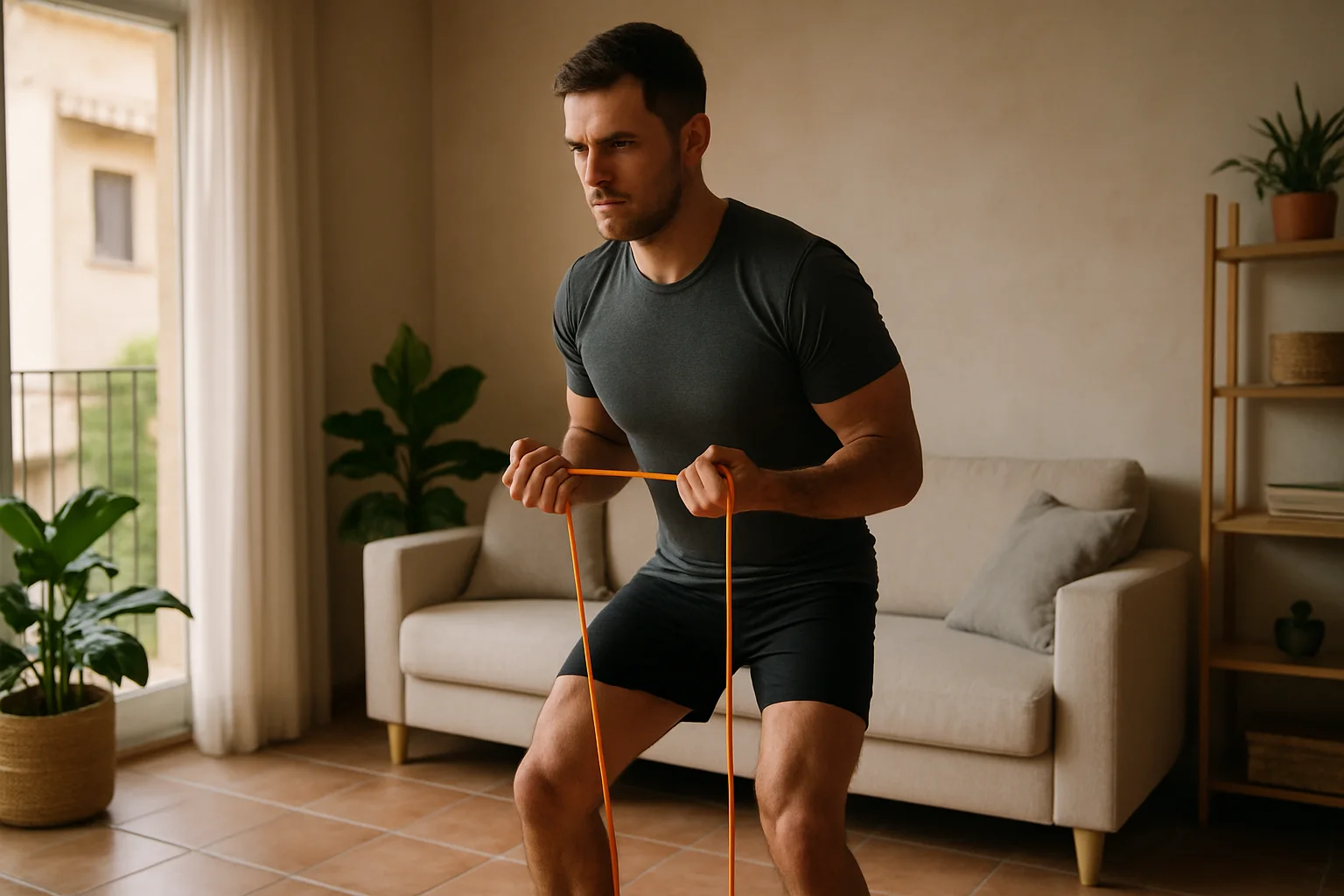
If you're thinking about upgrading your workout equipment or making the switch to home workouts, you've likely encountered the need to choose resistance bands. But be careful, not all bands are created equal or serve the same purpose. In this guide for buying resistance bands in 2026, I'll honestly explain what differences matter and how to avoid ending up with bands that just collect dust in a drawer.
What Really Changes Between Bands
Essentially, a resistance band is an elastic strip. But that's where the practical similarities end. What truly makes a difference is the quality of the material, the type of rubber or latex, the thickness, and the design. Cheap bands tend to lose elasticity quickly, crack, or break easily. That's why durability is a factor you can't ignore.
Then there's the issue of the resistance they offer. Not all bands come with uniform resistance or a clear progression. Some are too soft for someone experienced, while others are too hard for a beginner. The problem is that many brands don't clearly indicate this information or use unreliable scales.
Another detail that often goes unappreciated: size and length. A band that's too short can limit your range of motion, while one that's too long can be uncomfortable for certain exercises.
Finally, check if they include accessories, like door anchors or handles. It's not essential, but it can make your life easier and expand the types of exercises you can do.
Want to get it right from the start? Don't just buy based on price; carefully analyze these factors and think about what exercises you really want to do.
Common Mistakes Everyone Makes When Buying Them
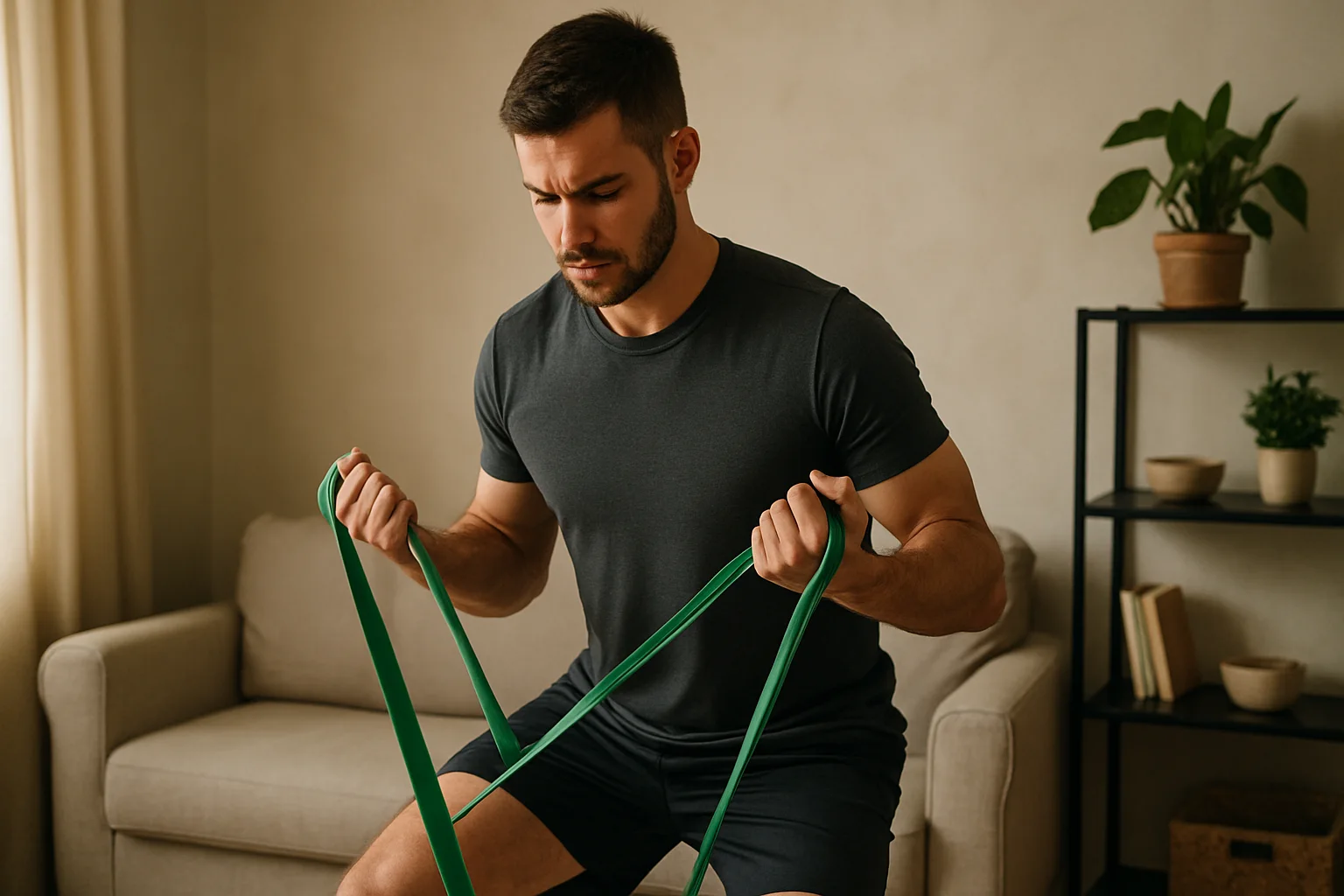
One of the most common mistakes is buying a set of bands that "has it all," thinking that this way you can't go wrong. But the reality is that many cheap kits offer bands with poorly scaled resistances and unreliable materials. You end up with several bands that are useless or break quickly.
Another mistake is not being clear about your goal. Are you looking to tone up? Improve mobility? Rehab an injury? Each goal requires a different type of resistance and quality. For example, for rehabilitation, you don't need very tough bands. And for functional training, it's better to have bands that maintain elasticity after hours of use.
Moreover, some people think that the more bands they have, the better. That's not the case. What's important is that the resistances are well defined and that you can use them progressively. Having 10 bands that barely differ in tension is just wasting space and money.
Finally, the lack of information on how to care for the bands is also a mistake. Storing them improperly or exposing them to sunlight can drastically reduce their lifespan.
What Type of Band Suits You Based on Your Level and Goal
If you're a beginner, I recommend starting with light or medium resistance bands. This way, you can avoid frustration and learn the technique without straining muscles or joints. Flat bands are usually more comfortable for stretching and mobility.
For intermediate or advanced users, tubular bands with handles are a good option. They allow for more variety of exercises and usually have more stable resistance. You can also combine several bands to increase difficulty.
If your goal is rehabilitation or postural work, low-resistance and high-elasticity bands are the best. And be cautious with very wide or extra thick bands: they're for people with a lot of experience or those looking for very specific strength training.
One detail that rarely gets mentioned: the space you have at home can influence your choice. Flat bands take up less space and are easier to store, while tubular bands with accessories may require more space for comfortable use.
And if you're someone who travels a lot? Look for lightweight, compact bands that are moisture-resistant. Just remember, no travel band can replace a good training band at home.
When It's Worth Spending More and When It's Not
Investing a bit more in quality bands makes a noticeable difference. If you use the bands regularly, the difference in durability and resistance translates to months or years of trouble-free training. On the other hand, if you buy the cheapest option to try them out and then don't use them, it will be a wasted expense.
In general, it's worth spending more if you're looking for reliable equipment for consistent and progressive home training. Higher quality bands maintain tension, don't deform, and often come with warranties or support.
It's not worth paying a premium price if you're only going to use them occasionally or for very basic exercises. In that case, a simple and economical band may be sufficient.
And be wary of brands that sell bands at exorbitant prices just for marketing or design. Often, they don't offer anything that justifies the markup. What's important is the quality of the material and the reliability of the manufacturer, not the logo.
A final thought: if you train with weights or machines, bands can be a useful complement, but not a total substitute. Don't fall into the trap of thinking that with bands you'll achieve the same results as with a full gym, unless you adapt your training well.
The Psychological Factor and Adherence to Training with Bands
One aspect that rarely gets addressed when discussing buying resistance bands in 2026 is how the choice of equipment influences motivation and consistency. Beyond technical quality, the band you choose can affect your long-term commitment. For example, a band that feels uncomfortable or limits certain movements can lead to frustration and cause you to give up before seeing results.
A specific case: many users buy bands with resistance that's too high for their actual level, believing that "the harder, the better." However, this can lead to poor technique, injuries, or simply discouragement from not being able to complete the repetitions. Conversely, choosing a band that allows for gradual progression and adapts to your physical evolution fosters a positive experience, reinforcing the habit and enjoyment of training.
Additionally, the design and feel of the band also play a subtle but important role. Bands with smooth finishes, without pinching edges, and colors you like can make training more enjoyable. Although it may seem like a minor detail, sensory pleasure is linked to adherence in any fitness routine.
Counterexample: Why Not All “Multifunction” Bands Are Practical
The market is flooded with band sets that promise to be the ultimate solution: multiple resistances, accessories, anchors, and even included training apps. However, this apparent versatility can be counterproductive. For example, a set with too many bands of very similar resistance can create confusion and hinder logical progression in training. This means you end up using the same bands all the time while the rest are forgotten.
A friend of mine bought a kit with ten bands and several accessories, but after a month, he was only using three bands because the others had almost identical resistances or were too difficult to combine. Moreover, the included anchors were of poor quality and broke quickly, further limiting the variety of exercises he could do. In this case, a simpler and well-calibrated set would have been more effective and economical in the long run.
Practical Consequence: How to Measure Real Resistance Without Professional Equipment
A common objection when buying bands is the uncertainty about the real resistance they offer, as brands are not always clear or precise. Here's a practical trick that almost no one mentions: you can estimate the approximate resistance by measuring the force you apply when stretching the band with a kitchen scale or a homemade dynamometer.
To do this, secure one end of the band, hold the other, and pull slowly while placing the band on the scale. The reading will give you an idea of the force in kilograms or pounds needed to stretch the band to a certain length. Repeat the process with different bands and lengths to compare resistances objectively.
This method isn't perfect, but it's much more reliable than relying solely on labels or commercial descriptions. Plus, it helps you customize your training according to your current strength and plan realistic progressions without depending exclusively on marketing.
Published: 11/05/2026. Content reviewed using experience, authority and trustworthiness criteria (E-E-A-T).
This article may have used artificial intelligence tools to support structure, editing, translation or review. Editorial responsibility and final review remain with Toni Berraquero. View AI policy

You can support the project or share this article in one click. At least this block does something useful.