
Transform Your Body: Training, Supplements, and Nutrition

If you're here, it's because you want to transform your body, and you're absolutely right. In a world where health and wellness are increasingly important, understanding how to structure a training routine, choose the right supplements, and follow a balanced diet is essential. This guide will provide you with valuable information and practical tips to optimize your results and avoid common mistakes. Let's get to the point!
Table of Contents
- 1. Training Routines
- 2. Supplements: Are They Necessary?
- 3. Diets: Strategies for Healthy Eating
- Common Mistakes
- Quick Tips
- Frequently Asked Questions (FAQs)
1. Training Routines
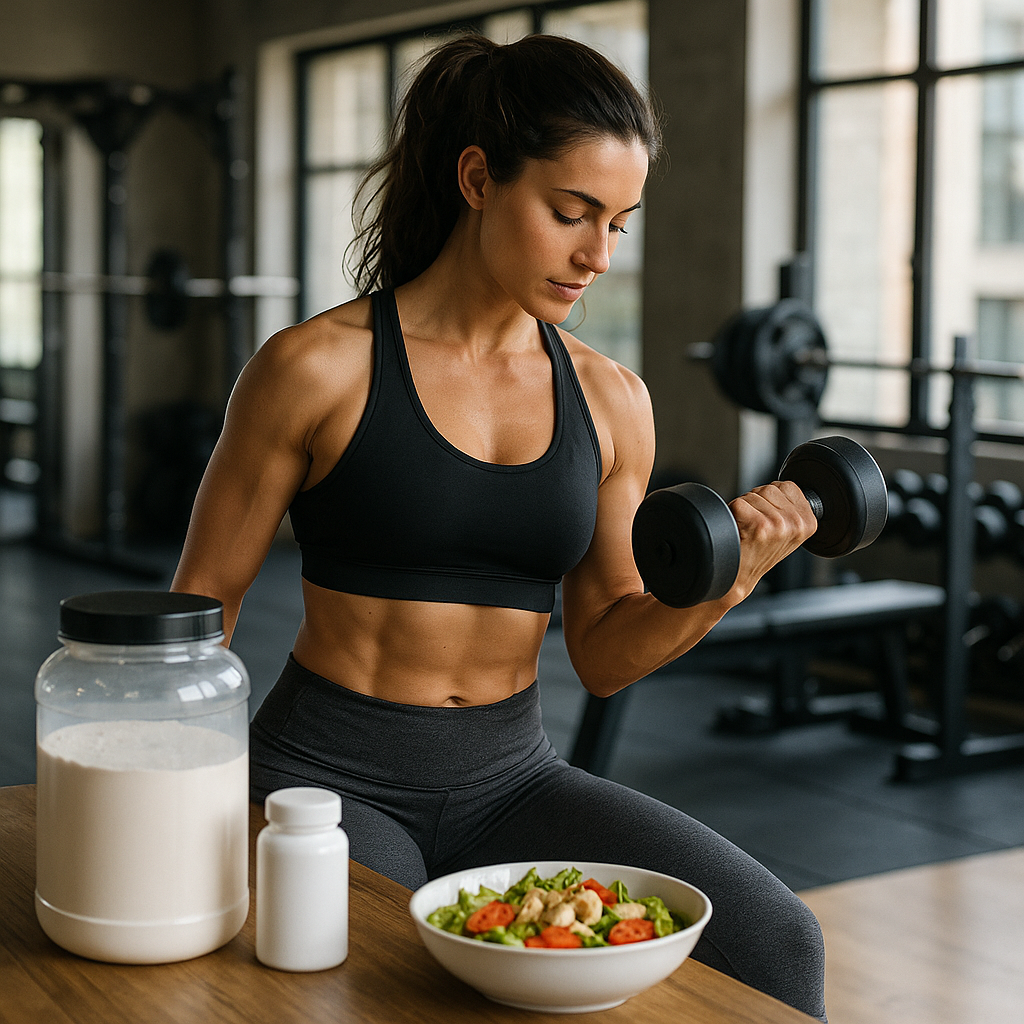
Training routines are essential for achieving your fitness goals, whether it's losing weight, gaining muscle mass, or improving your overall health. Here are some types of routines and their benefits:
- Strength training: Improves muscle mass and speeds up metabolism. Examples: weightlifting, calisthenics.
- Cardiovascular training: Increases endurance and burns calories. Examples: running, swimming, cycling.
- Functional training: Enhances mobility and strength in everyday movements. Examples: kettlebells, bodyweight exercises.
1.1 Example of a Weekly Routine
Below is an example of a weekly routine that combines different types of training:
- Monday: Strength (chest and triceps)
- Tuesday: Cardio (30 minutes of running)
- Wednesday: Strength (back and biceps)
- Thursday: Rest or yoga
- Friday: Strength (legs and abs)
- Saturday: Cardio (cycling or swimming)
- Sunday: Active rest (walk or stretching)
2. Supplements: Are They Necessary?
Supplements can be helpful, but they are not essential. Remember that a balanced diet is the foundation of any training program. Some popular supplements you might consider are:
- Protein powder: Ideal for reaching the recommended protein intake.
- Creatine: Enhances performance in high-intensity exercises.
- Omega 3: Beneficial for cardiovascular health and inflammation.
2.1 Common Mistakes When Using Supplements
- Assuming that supplements can replace a poor diet.
- Taking excessive doses without professional supervision.
- Not researching the quality of the products you consume.
3. Diets: Strategies for Healthy Eating
Your diet is a crucial component in achieving your fitness goals. Here are some effective strategies:
- Eat whole foods: Prioritize fruits, vegetables, lean proteins, and whole grains.
- Control portions: Pay attention to the amounts you consume to avoid overeating.
- Plan meals: Take time to plan your weekly meals to avoid impulsive decisions.
3.1 Example of a Daily Meal Plan
Here’s an example of a healthy daily meal plan:
- Breakfast: Natural yogurt with fruit and oats.
- Lunch: Grilled chicken breast with quinoa and vegetables.
- Snack: A handful of nuts or a piece of fruit.
- Dinner: Baked fish with mixed salad.
Common Mistakes
It's easy to fall into common traps when trying to transform your body. Here are some mistakes you should avoid:
- Skipping meals, thinking it will help you lose weight faster.
- Training without a clear plan, which can lead to frustration.
- Comparing yourself to others; every body is different and has its own pace.
Quick Tips to Stay on Track
- Set realistic goals: Define short-term and long-term objectives.
- Seek support: Join fitness groups or communities.
- Listen to your body: Don't ignore pain or fatigue; it's important to rest.
Frequently Asked Questions (FAQs)
How much time should I dedicate to training each week?
It is recommended to engage in at least 150 minutes of moderate activity or 75 minutes of intense activity per week, combining strength training two days a week.
Are supplements safe?
Most supplements are safe when taken in recommended doses, but it's always advisable to consult a doctor or nutritionist before starting them.
Can I see results without dieting?
It is possible to see moderate results with just exercise, but a balanced diet maximizes results and improves overall health.
What is the best time to train?
The best time to train is when it fits your routine and when you feel most energetic. Some people prefer to train in the morning, while others choose the afternoon or evening.
Where can I find more information about nutrition and training?
You can consult resources like the World Health Organization for reliable information on health and wellness.
Adopting a healthy lifestyle involves a commitment to exercise, nutrition, and overall well-being. By following this guide, you'll be on the right path to effectively achieving your fitness goals. Remember that everyone is different, and you may need to adjust these tips to your individual needs and circumstances.
Don't hesitate to seek help from sports and nutrition professionals for a more personalized approach. Start your journey towards a healthier life today!
Published: 11/05/2026. Content reviewed using experience, authority and trustworthiness criteria (E-E-A-T).
This article may have used artificial intelligence tools to support structure, editing, translation or review. Editorial responsibility and final review remain with Toni Berraquero. View AI policy

You can support the project or share this article in one click. At least this block does something useful.