
Transforming Logistics with AI: Simple Forecasting and Incident Management
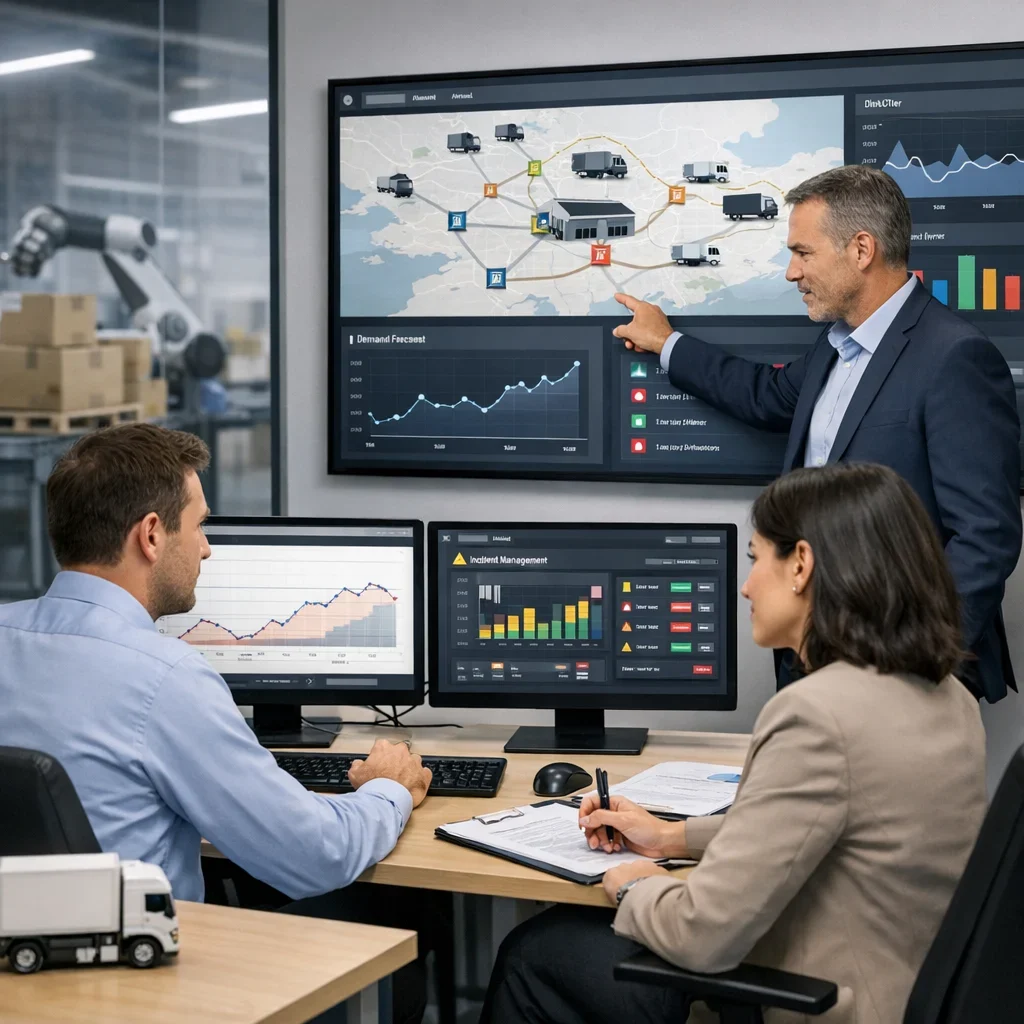
In today's work environment, whether in an office, warehouse, or even at home, logistics AI has become an essential ally. From demand forecasting to incident management, artificial intelligence is revolutionizing how we operate. Can you imagine having an assistant that alerts you to problems before they happen? Sounds great, right? Let's break down how this technology can optimize your logistics operations and help you avoid premature gray hairs.
What is Logistics AI?
You can support the project by sharing this article or saving it for later.
Logistics AI refers to the use of artificial intelligence to enhance the efficiency and effectiveness of the supply chain. This is not just a technological whim but a necessity in a business environment where speed and accuracy are key. From inventory management to delivery route optimization, AI can analyze massive data sets and provide real-time solutions, something the human brain cannot do at the same speed.
Benefits of Implementing AI in Logistics
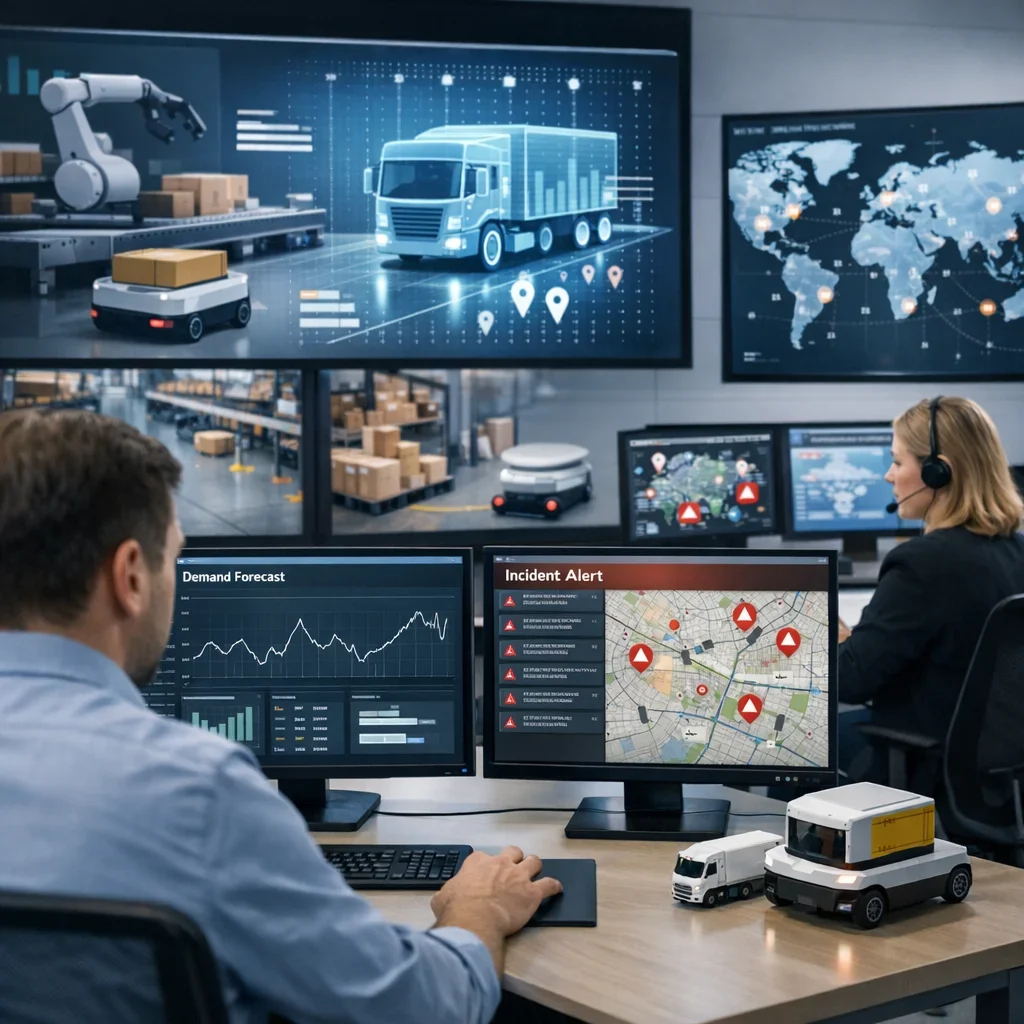
- Improved operational efficiency: AI can automate repetitive tasks, freeing employees to focus on more strategic activities.
- Accurate demand forecasting: With sophisticated algorithms, AI can predict fluctuations in demand, allowing companies to adjust their production and stock levels.
- Cost reduction: By optimizing delivery routes and better managing inventory, operational expenses can be significantly reduced.
- Better incident management: AI can identify and predict problems before they escalate into crises, facilitating a quick and effective response.
Common Mistakes in Implementing Logistics AI
- Not defining clear objectives: Without a specific purpose, implementation can become chaotic.
- Lack of training: Employees need to understand how AI works to make the most of it.
- Underestimating data quality: AI is only as good as the data it receives; if the data is poor, the results will be too.
- Omitting integration with existing systems: New technology must be compatible with tools already in use.
- Not measuring results: Without tracking outcomes, you won't know if you're truly improving.
Quick Tips to Leverage AI in Logistics
- Set clear and achievable goals from the start.
- Train your team on the use of new tools and technologies.
- Implement a tracking system to measure AI effectiveness.
- Conduct pilot tests before large-scale deployment.
- Invest in data quality; ensure it is accurate and relevant.
Comparative Approaches in Logistics AI
| Approach | Advantages | Disadvantages | Cost |
|---|---|---|---|
| Demand Forecasting | Optimizes inventory | Requires historical data | Medium |
| Route Optimization | Reduces delivery times | Dependence on GPS | Low |
| Incident Control | Prevents crises | Lack of adaptability | High |
| Process Automation | Increases efficiency | May require initial investment | Medium |
Logistics AI in Practice: Success Stories
If you think AI is just a passing trend, let me bring you back to reality. There are companies that have embraced this technology and are reaping benefits that would make any skeptic blush. Here are some examples that show how AI can transform logistics in tangible ways.
1. Amazon: The Giant That Never Sleeps
Amazon has utilized AI to optimize its supply chain, from inventory management to shipping. Thanks to its demand forecasting algorithms, they know exactly which products need restocking and when. This not only reduces delivery time but also minimizes the risk of running out of stock. If you've ever received an Amazon package in less than 24 hours, you know there's AI behind that magic.
2. DHL: Logistics That Flies
DHL has implemented AI solutions to improve efficiency in its distribution centers. They use drones and autonomous vehicles to optimize the transportation of goods within their facilities. The result? Less time handling products and faster delivery to the end customer. And yes, you can bet DHL employees are happy not to have to lift heavy boxes all day.
3. Coca-Cola: Refreshments at Lightning Speed
Coca-Cola has integrated AI to manage its supply chain and forecast demand for its products. They use predictive analytics to adjust production and distribution according to market trends. This not only helps them avoid excess inventory but also ensures that vending machines are always stocked. So, the next time you buy a Coca-Cola, think about the AI that made it possible for it to be there.
Challenges of Logistics AI: Not Everything is Rosy
While logistics AI sounds like the magic solution to all our problems, it's not that simple. Here are some challenges companies must face when implementing this technology:
- Resistance to change: Not everyone is willing to leave behind traditional methods. Organizational culture can be a significant obstacle.
- Initial investment: Although AI can lead to savings in the long run, the initial investment can be considerable, and not all companies are prepared for it.
- Dependence on technology: Relying too much on AI can lead to problems if the technology fails. Always have a contingency plan.
- Constant updates: AI is constantly evolving. Keeping up with the latest trends and technologies can be a challenge.
How to Overcome These Challenges?
The key lies in training and communication. Ensure your team understands the benefits of AI and is prepared to adapt. Also, start with small projects and scale up as you become more comfortable. Remember, AI is not a magic wand, but it can be a powerful tool if used correctly.
Conclusion: Logistics AI as a Strategic Ally
In summary, logistics AI is not just a trend; it is a tool that can revolutionize how we operate. From improving efficiency to predicting problems before they occur, its applications are vast and varied. But don't forget that successful implementation requires a clear strategy, training, and a team willing to adapt. So, if you haven't made the leap yet, what are you waiting for? AI is here to stay, and you should be at the forefront of this revolution.
Logistics AI: Beyond Automation
Most people associate logistics AI with robots and automation. But did you know there is a world of possibilities that goes beyond that? AI is not just about machines doing the dirty work; it's about making intelligent decisions based on data. Let's break down how AI can transform logistics from a more strategic and less mechanical approach.
1. Predictive Analytics: The Oracle of Logistics
Imagine having a crystal ball that tells you which products will sell the most in the next quarter. That's what predictive analytics does. By using advanced algorithms, AI can analyze historical patterns and current trends to forecast demand. Here’s how it’s used:
- Seasonality: If you sell clothing, AI can predict that your coats will sell more in winter, allowing you to adjust your inventory before the season arrives.
- Special Events: If there's a major sporting event, AI can help you anticipate an increase in demand for certain products, like snacks or drinks.
2. Space Optimization: The Logistics Tetris
Remember playing Tetris? AI can help you fit your products into storage space optimally. By analyzing the dimensions and characteristics of products, AI can suggest the best way to store and organize your inventory, maximizing space and reducing costs. This not only improves efficiency but also makes it easier to access products when needed. Here are a couple of strategies:
- Rotation Classification: Store best-selling products in easily accessible areas.
- Dynamic Design: Adapt the warehouse layout based on sales trends and seasonality.
Integrating AI with IoT: The Perfect Synergy
The combination of AI and the Internet of Things (IoT) is revolutionizing logistics. By connecting devices and sensors, you can obtain real-time data on the status of your shipments, storage conditions, and more. This allows for proactive rather than reactive management. Here are some practical applications:
- Shipment Tracking: Sensors on packages can alert you to changes in temperature or humidity, ensuring products arrive in perfect condition.
- Predictive Maintenance: Sensors on transport vehicles can predict mechanical failures, allowing for repairs before a breakdown occurs.
Success Story: Zara and Its Agile Logistics
The famous fashion chain Zara has implemented AI and IoT to optimize its supply chain. Thanks to a system that monitors sales in real-time and adjusts production accordingly, they can quickly restock stores and avoid excess inventory. This not only improves efficiency but also reduces waste. If you've ever walked into a Zara store and found exactly what you were looking for, you know who is behind that magic.
Challenges of AI in Logistics: Not Everything is a Walk in the Park
Implementing AI in logistics may seem like a dream come true, but it also comes with its own challenges. Here are some you should consider:
- Interoperability: Ensure that the AI systems you implement can communicate with your existing platforms. You don't want them to be more problematic than useful.
- Data Privacy: With the collection of so much data, security and privacy become priorities. Always keep current regulations in mind.
- Implementation Costs: Despite the long-term benefits, the initial investment can be a significant hurdle for many companies.
Overcoming the Challenges
The key to overcoming these obstacles lies in planning and collaboration. Involve your team in the implementation process and ensure clear communication about the changes. Additionally, consider starting with a pilot project that allows you to adjust and learn before making a large-scale investment.
Conclusion: Logistics AI as the Future of the Sector
Logistics AI is here to stay, and if you don't jump on the train, you could be left behind. From demand forecasting to space optimization, the applications are vast and varied. But remember, successful implementation is not just about technology; it's also about organizational culture and the willingness to adapt. So, if you're still hesitant to take the leap, it might be time to reconsider. The logistics revolution is underway, and you won't want to be left out.
Updated on 11/10/2025. Content verified with experience, authority, and trustworthiness criteria (E-E-A-T).
FAQ about Logistics AI
How does logistics AI affect the supply chain?
Logistics AI allows for greater visibility and control over each stage of the supply chain, facilitating informed and quick decision-making. This translates into a more agile response to changes in demand and operational issues.
Is implementing AI in logistics expensive?
The cost of implementation can vary depending on the approach and scale. However, the long-term benefits, such as reduced operational costs and improved efficiency, often justify the initial investment.
What types of companies can benefit from logistics AI?
Any company that relies on logistics, from small startups to large multinationals, can benefit. The key is to tailor the technology to the specific needs of each business.
Will logistics AI replace human workers?
Not necessarily. AI is meant to be a tool that complements human work, not replaces it. Automating repetitive tasks allows employees to focus on activities that require creativity and critical judgment.
What is the first step to implementing AI in logistics?
The first step is to conduct a thorough analysis of your company's needs and objectives. From there, you can explore AI solutions that best fit your business model, as we've seen in other guides from Berraquero.com.