
Weight on the Scale: How to Interpret It Without Paranoia

When you step on the scale, that little platform that seems to have more power over your mood than your boss, the scale weight interpretation can become a more complicated issue than the instructions for an Ikea piece of furniture. In a world where appearance and physical performance are the norm, knowing how to read what the scale tells you (or doesn't) is key to maintaining your sanity, whether at work, at home, or at the gym.
What Does the Weight on the Scale Really Mean?
The scale, that device that often feels like the enemy, not only measures weight but can also reflect your overall health. However, the number you see may be influenced by multiple factors. This is where interpretation comes into play. It's not just a number; it's an indicator that should be analyzed thoughtfully.
Body Composition vs. Total Weight
It's important to understand that total weight doesn't tell the whole story. Body composition, which includes muscle mass, fat, and water, plays a crucial role. For example, you may weigh the same as you did a month ago, but if you've gained muscle and lost fat, congratulations! Your body is improving, even if the scale doesn't reflect it.
Common Mistakes When Interpreting Weight
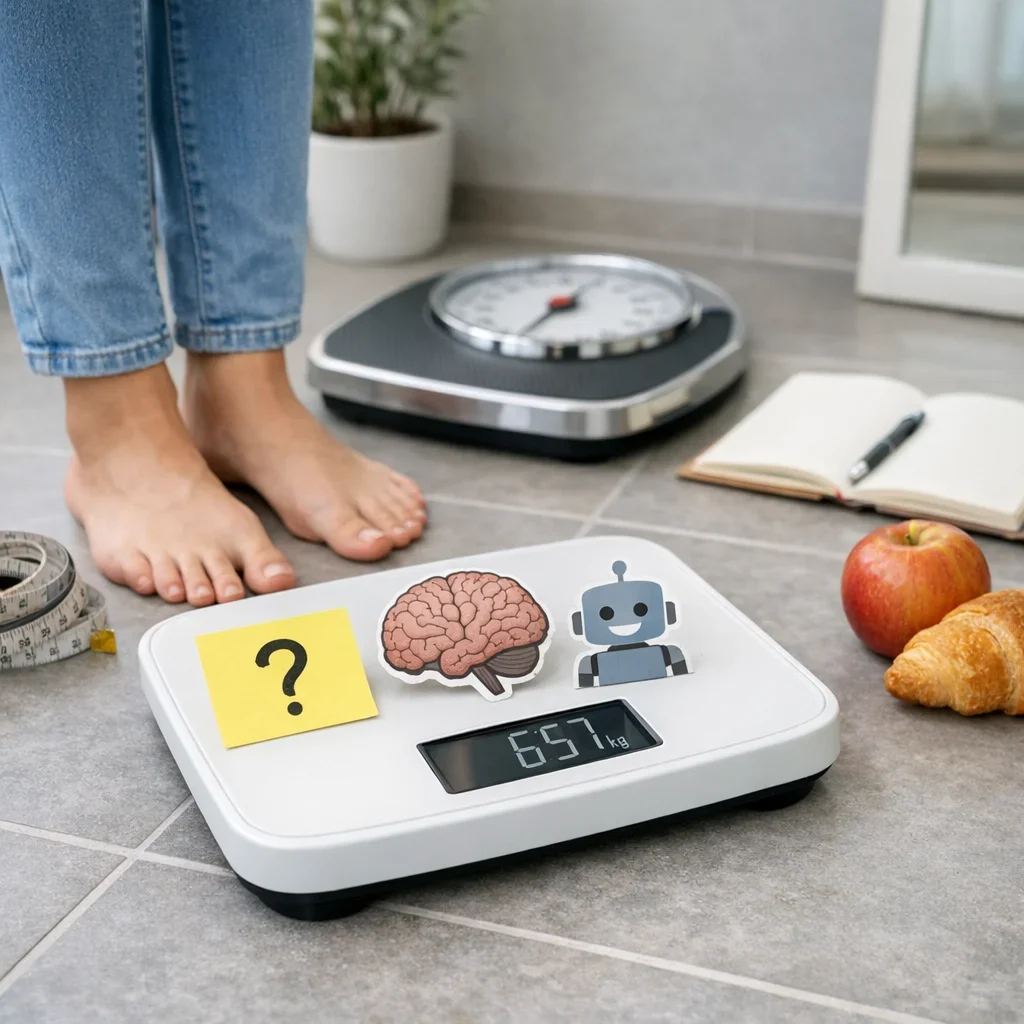
- Not considering the time of day: weighing yourself in the morning, before breakfast, is more reliable than doing it in the afternoon after a couple of meals.
- Ignoring water retention: factors like diet, menstrual cycle, or even the weather can affect your weight.
- Irrational comparisons: you can't compare yourself to an Instagram photo; every body is unique.
- Getting carried away by a single measurement: it's best to follow the trend over time, not just one isolated day.
Quick Tips for Interpreting Your Weight
- Weigh yourself at the same time each time for consistent results.
- Use a quality scale and ensure it's calibrated.
- Record your measurements and look for patterns rather than isolated numbers.
- Consider other health indicators, such as your energy levels and how you feel physically.
Checklist for Proper Interpretation
| Element | What to Check | Red Flag | Action |
|---|---|---|---|
| Measurement Timing | Weigh always in the morning | Weighing at different times of the day | Establish a morning routine |
| Scale Calibration | Check that it’s on a flat surface | Inconsistencies in results | Recalibrate or check with another scale |
| Physical State | Assess if there are changes in your body | Feeling more fatigue or discomfort | Consult a health professional |
| Water Intake | Observe the amount of liquids consumed | Visible water retention | Reduce salt and sugar intake |

You can support the project or share this article in one click. At least this block does something useful.
Published: 11/05/2026. Content reviewed using experience, authority and trustworthiness criteria (E-E-A-T).
This article may have used artificial intelligence tools to support structure, editing, translation or review. Editorial responsibility and final review remain with Toni Berraquero. View AI policy
FAQ
Why does my weight fluctuate so much from day to day?
Weight fluctuations are normal and can be due to changes in water retention, food intake, and other factors like exercise. Don't panic if you see significant changes over a short period; it's more important to observe trends over time.
Should I obsess over the number on the scale?
Not necessarily. Weight is just one measure. Focus on how you feel and other health indicators, such as your energy and physical performance. Sometimes, a number can be misleading.
How can I tell if I'm gaining muscle or fat?
The best way is to combine the use of the scale with other tools, such as body composition measurements (for example, with skinfold calipers) or physical performance assessments, like how much weight you can lift or how you feel during your workouts.
The Scale Trap: Friend or Foe?
The scale, that device that can make your day start with a smile or a desire to hide under the bed. But is it really your friend or just a source of stress? The answer may be more complex than you think. The key is to understand that the number displayed is not the only indicator of your health and well-being.
Factors That Influence Weight
To prevent the scale from becoming your nemesis, it's essential to consider the factors that can influence your weight. Here are some of the most common:
- Food and Drink: What you consume before weighing yourself can affect your weight. The food you've eaten and the amount of water in your body are elements that can cause the number to vary.
- Exercise: The type and intensity of exercise also play a role. If you've done an intense workout, you may retain more fluids, which will be reflected on the scale.
- Hormones: Hormonal fluctuations, especially in women, can cause significant weight changes. So don't be surprised if one day you weigh more than the previous day for no apparent reason.
- Stress: Stress can cause changes in your body that, in turn, affect your weight. The production of cortisol, the stress hormone, can increase water retention and, therefore, the number on the scale.
Alternatives to the Scale: What Else to Look At?
If the scale is driving you crazy, it's time to consider other ways to evaluate your progress. Here are some alternatives that might help you stay calm:
Measuring Tape
Using a measuring tape to measure your waist, hips, arms, and legs can give you a clearer picture of changes in your body. Sometimes, you may lose inches while your weight remains constant, which is a sign that you're gaining muscle and losing fat.
Monitoring Energy and Mood
Pay attention to how you feel. If you feel more energetic, in a better mood, and stronger during your workouts, that's a good indicator that you're on the right track, regardless of what the scale says.
Clothes That Fit Better
A change in how your clothes fit is a significant indicator. If your pants or shirts feel looser, even if the number on the scale hasn't changed, it's a sign of progress.
Performance Tracking
If you're a regular at the gym, observe your progress in terms of strength and endurance. If you're lifting more weight or running faster, that's what really matters.
Tips for a Healthy Relationship with the Scale
- Set realistic goals: Don't obsess over a specific number. Focus on healthy habits and how you feel.
- Limit weigh-ins: Weighing yourself once a week is sufficient. Don't step on the scale every day; that will only increase your anxiety.
- Remember the context: If you gain weight one day, remember that it may be temporary. Don't let a single number dictate your feelings.
- Talk to a professional: If you have concerns about your weight or health, consult a nutritionist or trainer. They can provide a more objective perspective.
So the next time you step on the scale, take a deep breath and remember that this number is just part of the story. Your health and well-being go far beyond what that machine says. Be kind to yourself and celebrate every small achievement on your journey to a healthier life. Keep moving forward, without obsessions!
The Scale and Its Relationship with Mental Health
Stepping on the scale can be like opening a box of surprises, and not always pleasant ones. Social pressure, expectations, and body image can make that number turn into a multi-headed monster. But what if I told you that the key is to change your focus? Here are some ideas to keep your mental health intact while keeping an eye on the scale.
Recognize Your Worth Beyond the Number
The first rule is simple: your worth is not measured in kilos. The scale can be an indicator, but it's not the only one. Here are some ways to remember that you are more than just a number:
- Make a list of your achievements: Not just in the gym, but in your daily life. Have you completed a project at work? Have you helped a friend? Those are achievements that count.
- Practice gratitude: Every morning, before weighing yourself, think of three things you are grateful for. This can change your perspective and make the number on the scale hold less power over you.
- Seek support: Talk to friends, family, or even online groups about your feelings regarding weight. Sometimes, sharing can lighten the load.
What If the Scale Isn't Your Only Ally?
If the scale is driving you crazy, consider other tools that can provide you with a more comprehensive view of your health. Here are some alternatives so you don't obsess over the number:
Food and Exercise Diary
Keeping track of what you eat and your workouts can give you a clearer perspective on your progress. It's not about counting calories perfectly, but about having an idea of your habits. You can use apps or simply a notebook. Here's an example of how you might structure it:
| Date | Food | Exercise | Notes |
|---|---|---|---|
| 01/10/2023 | Chicken salad | Strength training | I felt strong and energetic |
| 02/10/2023 | Soup and whole grain bread | 30 minutes of cardio | A bit tired, but satisfied |
| 03/10/2023 | Fruit smoothie | Rest | I feel good, stress-free! |
Try Technology
There are apps and devices that can help you track your progress more comprehensively. Activity monitors, habit tracking apps, or even devices that analyze your body composition can provide you with more valuable data than just a simple number on the scale. Some examples include:
- Activity Monitors: They can help you see how much you move each day and how much exercise you're actually doing.
- Health Apps: Some apps allow you to track your food and activities, as well as offer personalized tips.
- Smart Scales: These not only tell you your weight but can also measure your body fat percentage and muscle mass.
Conclusion: The Scale is Just a Tool
The scale is like that friend who sometimes tells you uncomfortable truths. It can be helpful, but it shouldn't dictate your mood or your self-perception. Remember that well-being is a journey, not a destination. So, the next time you step on the scale, do it with an open mind and a smile. Your health and happiness are what truly matter!
At the end of the day, the scale can be a useful tool, but don't let it define your self-esteem. As we've seen in other Berraquero.com guides on nutrition and health, well-being goes beyond a number. So the next time you step on, remember: you are more than what that machine says. Keep training and taking care of yourself!