
Choosing the Right Protein Powder: A Smart Guide
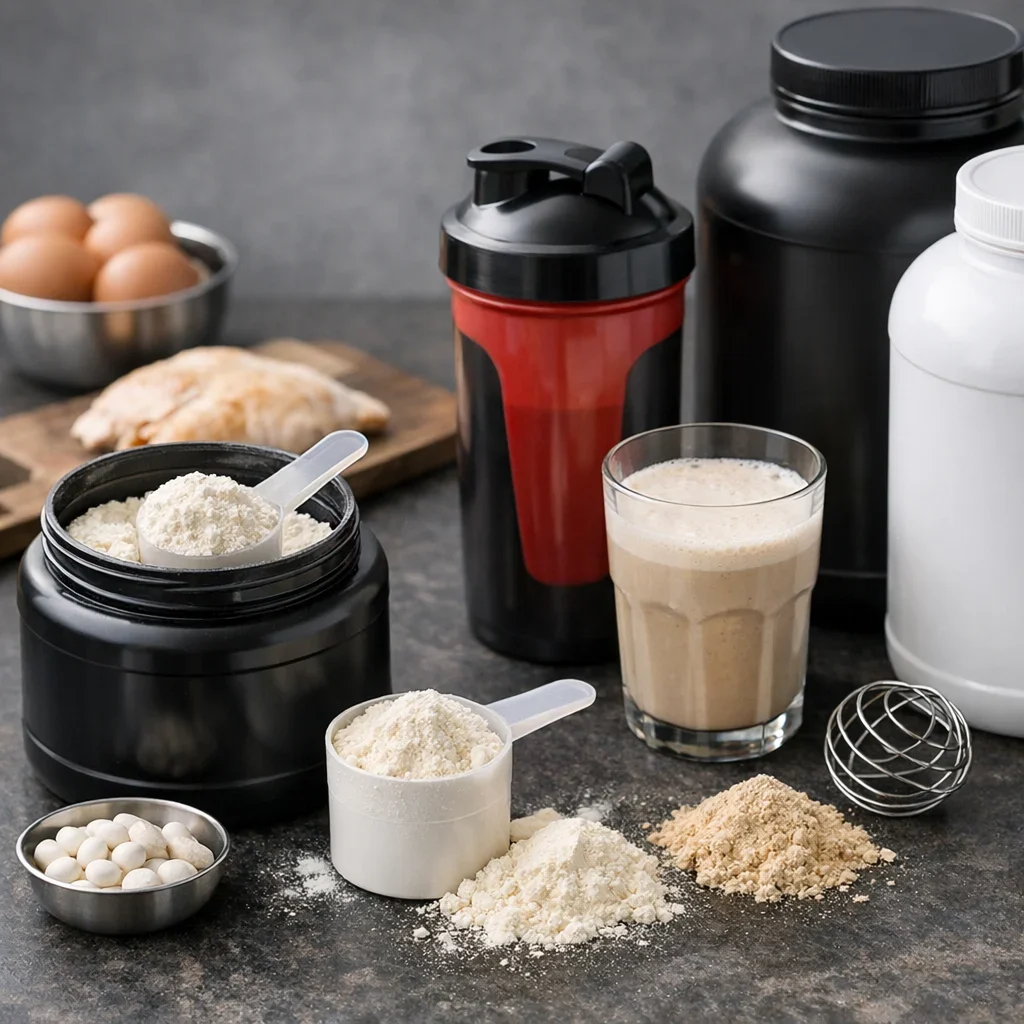
In Spain, where gyms are just around the corner and fitness posturing on Instagram is unforgiving, selecting whey protein might seem as easy as buying bread at the bakery. But nothing could be further from the truth. With labels full of promises, unpronounceable ingredients, and prices that fluctuate more than the stock market, choosing the right protein requires a bit more thought than just falling for marketing. Here’s how to do it without getting scammed.
Why Choose Whey Protein Over Other Options?
Whey protein is one of the most popular and effective sources for supplementing protein intake, especially if you're looking to enhance performance or recover muscles after training. In Spain, where the traditional Mediterranean diet sometimes falls short in protein for those who train hard, whey serves as a practical and accessible ally.
Support the project or tell me what topic to cover next.
The advantages of whey include its rapid absorption, complete profile of essential amino acids, and relatively affordable cost, as long as you know how to choose wisely. But beware, not everything that glitters is gold, and not all whey protein powders are created equal.
Types of Whey Protein: What Are Your Options?
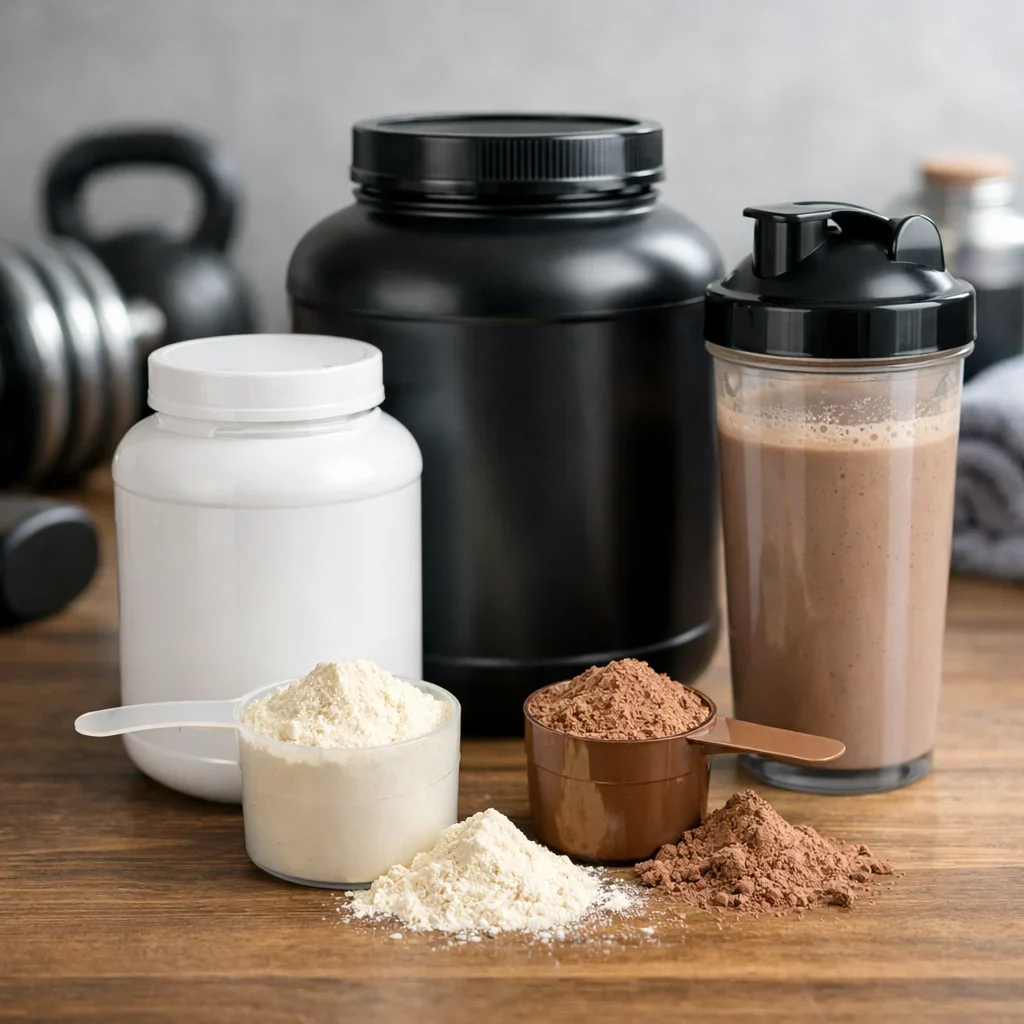
Before diving into purchases, it’s wise to know the three basic types of whey protein you’ll find in the Spanish market:
- Whey Protein Concentrate (WPC): contains 70-80% protein, with some lactose and fat. A good option if you have no intolerance and seek a balance of quality and price.
- Whey Protein Isolate (WPI): exceeds 90% protein, with very little lactose and fat. Ideal for those with intolerances and those seeking maximum purity.
- Whey Protein Hydrolysate (WPH): pre-digested proteins for ultra-rapid absorption. More expensive and not always necessary unless for specific cases.
How to Read the Label Without Getting Misled
The label can be your best friend or your worst enemy, depending on how much you trust it. Here are some key points to avoid being fooled:
- Protein Percentage per Serving: look for at least 70% for concentrates and 90% for isolates.
- Ingredient List: the shorter, the better. Isolate or concentrate as the first ingredient, without fillers or added sugars.
- Sugars and Sweeteners: watch out for additives; some products hide more sugar than an industrial pastry.
- Origin and Certifications: in Spain, we have access to products with European control, which guarantees quality and safety.
Common Mistakes When Choosing Whey Protein
- Buying Solely Based on Price: the cheapest often hides less protein or more dubious additives.
- Trusting Marketing: terms like “ultrapure” or “premium” are not regulated and may just be words.
- Ignoring Intolerances: lactose in concentrates can be a problem if you have sensitive digestion.
- Not Calculating Real Dosage: focusing only on total grams per serving and not on grams of pure protein.
- Forgetting the Source: knowing if the whey comes from grass-fed cows can influence quality.
Quick Comparison: Concentrate vs Isolate vs Hydrolysate
| Type of Protein | % Protein | Lactose | Price | Absorption | Ideal For |
|---|---|---|---|---|---|
| Concentrate (WPC) | 70-80% | Moderate | Low | Fast | Users without intolerance, tight budget |
| Isolate (WPI) | 90%+ | Low | Medium-High | Very fast | Lactose intolerant, advanced athletes |
| Hydrolysate (WPH) | 90%+ | Minimal | High | Ultra-fast | Express recovery, specific allergies |
Quick Tips for Choosing Whey Protein in Spain
- Shop at trusted stores or websites, avoid suspicious offers.
- Check real reviews, not just extreme ratings.
- Ensure the product has labeling in Spanish and clear composition data.
- Evaluate if the protein fits your usual diet and activity level.
- Don’t obsess: protein powder is a supplement, not a magic wand.
- As we've seen in other Berraquero.com guides on sports nutrition, quality protein adds a lot, but it doesn't replace a balanced diet.
What If I Have Questions? We Address Common Concerns
Updated on 11/10/2025. Content verified with experience, authority, and trustworthiness criteria (E-E-A-T).
FAQ
Can I take protein powder every day?
Yes, as long as you don’t exceed your total daily protein needs. Protein powder is a supplement, not a main food source. The key is to adjust the amount to your total intake, which depends on your weight, activity, and goals. For most active Spaniards, one or two daily servings are sufficient and safe.
Is it better to take whey protein before or after training?
The rapid absorption of whey makes it ideal to consume right after training, when muscles are most receptive to nutrients. However, if you can only take it before, that’s fine too. The important thing is to meet your total protein intake for the day; timing helps, but it’s not miraculous.
Does protein powder make you gain weight?
Like any food, it contributes to weight gain if you consume more calories than you burn. Protein powder provides calories, but no more than a steak or an egg. Its function is to help you meet your protein needs without adding too much unnecessary fat or carbohydrates. So no, it doesn’t make you gain weight on its own.
What’s the difference between whey protein and casein?
Whey digests quickly, ideal for immediate recovery. Casein, on the other hand, digests slowly, releasing amino acids over hours. In Spain, where dinner is often lighter, casein can be useful before bed, but for most, whey is more versatile and practical.
Can I use whey protein if I’m vegetarian?
Whey protein comes from milk, so it’s suitable for vegetarians who consume dairy (ovo-lacto vegetarians). If you’re vegan, you’ll need to look for plant-based alternatives like pea or rice protein, which also have their advantages and limitations.
If you want to delve deeper into optimizing your nutrition and training, feel free to check out other articles on Berraquero.com, where we’ve already broken down topics like workout planning and nutrition for peak performance.
For solid scientific information on protein intake and health, you can refer to resources from the European Food Safety Authority (EFSA), which constantly updates its recommendations.