
Cybersecurity Update: Outlook Add-Ins, 0-Day Patches, and Emerging Threats

In the daily whirlwind of emails, meetings, and tasks, it's easy to overlook the threats lurking in cyberspace. This weekly recap outlook malware wormable serves as a reminder that digital security is not something to postpone. From Outlook add-in hijacks to 0-day patches, this summary keeps you informed about what truly matters in the world of digital security.
Outlook: A New Threat to Add-Ins
Recently, several Outlook users have reported issues related to add-in hijacking. These attacks not only compromise personal information but also allow attackers to access corporate networks. What makes this issue particularly alarming is that attackers can use these add-ins to send emails on behalf of the victim, increasing the likelihood that other users will fall into the trap.
Support the project or tell me what topic to cover next.
0-Day Patches: The Race Against Time
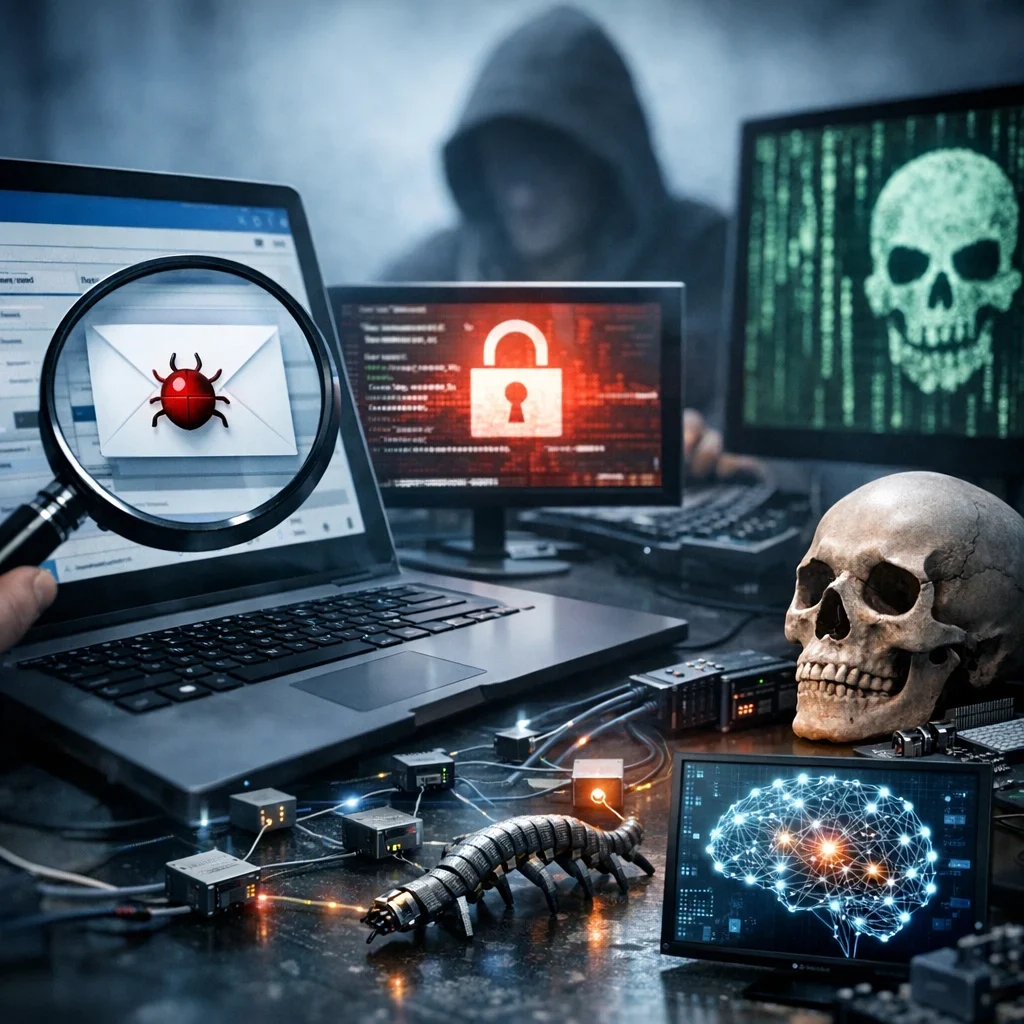
0-day patches are critical updates that fix vulnerabilities recently discovered by developers. In the past month, several of these patches have been released for widely used software. Ignoring these updates can be a fatal mistake. Therefore, it is essential to keep software up to date, especially if you handle sensitive information or work in a collaborative environment.
Wormable Botnet: The Return of Worms
Worms, those old acquaintances from the era of computer viruses, are back in action. This new botnet capable of replicating and spreading malware through networks serves as a reminder of how easy it is to fall into a trap. The good news is that there are preventive measures you can take to protect yourself.
AI Malware: The Evolution of Attacks
Artificial intelligence is revolutionizing many areas, but it has also found its way into the world of malware. This new type of threat uses algorithms to adapt and evade security systems. It's not science fiction; it's the reality we face today. The key to staying safe is to be informed and proactive in defending your data.
Common Mistakes in Digital Security Management
- Neglecting Software Updates: Ignoring updates is like leaving your front door open.
- Blind Trust in Emails: Not everything that glitters is gold. Be wary of suspicious links and attachments.
- Using Weak Passwords: Passwords like "123456" are like having a cardboard lock on your door.
- Disabling Antivirus: If you feel safe without protection, think again.
- Lack of Backups: Don't wait until you lose something important to realize its value.
Quick Tips to Protect Your Information
- Regularly update your software.
- Be cautious of emails from unknown senders.
- Use strong, unique passwords for each account.
- Enable two-factor authentication wherever possible.
- Periodically back up your data.
| Threat | Description | Preventive Measures |
|---|---|---|
| Add-In Hijacking | Unauthorized access to Outlook functions. | Review add-in permissions and keep software updated. |
| 0-Day Patches | Recently discovered vulnerabilities. | Install updates immediately. |
| Wormable Botnet | Malware that replicates across networks. | Use firewalls and network segmentation. |
| AI Malware | Malware that uses AI to evade detection. | Incorporate advanced security solutions. |
Updated on 10/11/2025. Content verified with experience, authority, and trustworthiness criteria (E-E-A-T).
FAQ
What is an Outlook add-in?
An Outlook add-in is a tool that extends the application's functionality, allowing users to perform additional tasks, such as managing emails, scheduling appointments, etc. However, they can be a weak point if not managed properly.
How can I tell if my software is outdated?
Most programs offer automatic update options. Make sure to enable this feature or manually check in the software settings to see if updates are available.
What should I do if I suspect I have been a victim of an attack?
First, change your passwords immediately and disconnect from the internet. Then, run a full scan with antivirus software and contact a professional if necessary to assess the damage and restore your security.
How can I protect myself from phishing emails?
Be wary of any email that asks for personal or financial information. Always verify the sender and do not click on suspicious links. Use spam filtering tools to reduce the risk.
Is it safe to use public Wi-Fi networks?
Public Wi-Fi networks can pose a risk to your security. If possible, use a VPN to encrypt your connection and protect your personal information while browsing.