
Discover Delicious Plant-Based Protein Alternatives for a Dairy-Free Diet
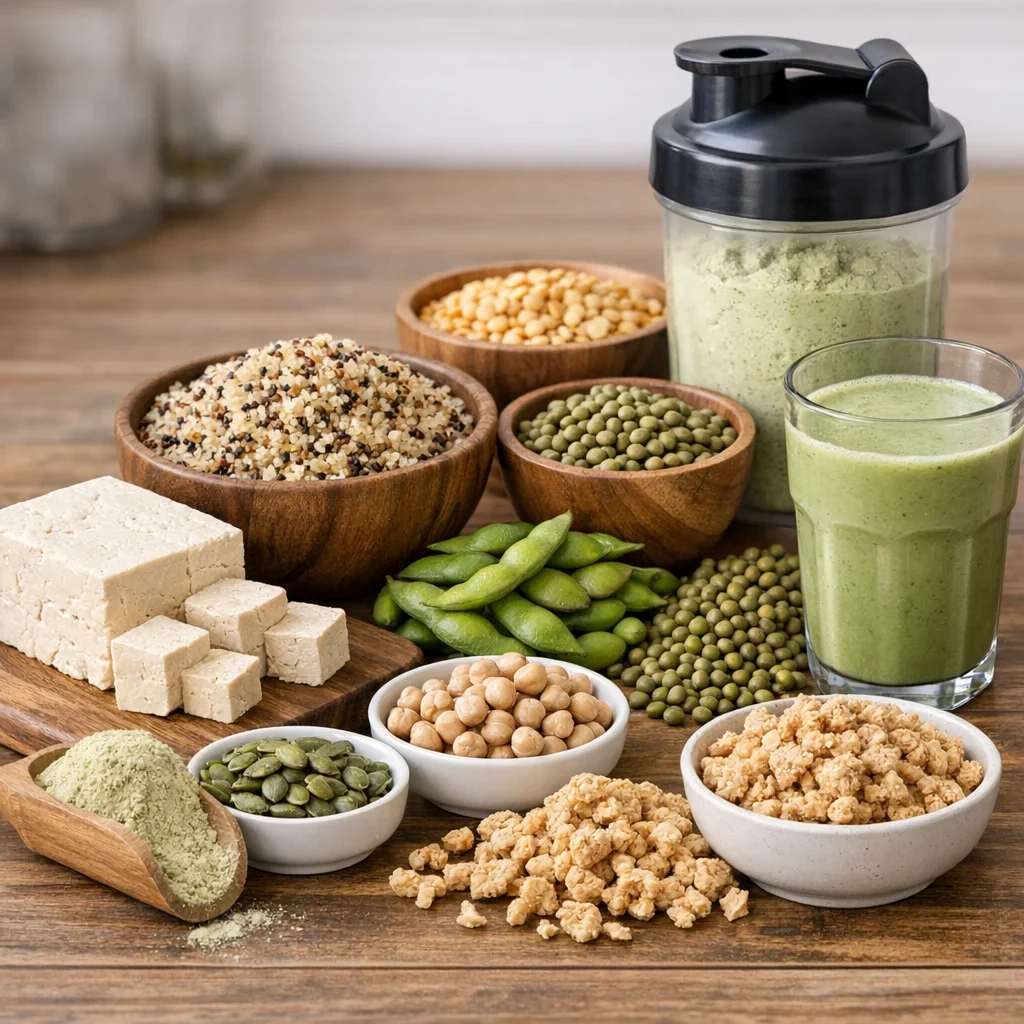
If you're considering cutting out dairy or simply looking for healthier alternatives, high-quality plant-based protein can be your best ally. Nowadays, amidst the chaos of work and gym visits, it’s easy to fall into the trap of protein supplements that resemble sugary shakes more than real nutrient sources. But don’t worry, we’re here to break down options that are not only effective but also delicious and easy to incorporate into your daily routine.
Why Choose Plant-Based Protein?
Plant proteins offer a range of benefits that go beyond just avoiding dairy. Here are some key points:
Support the project or tell me what topic to cover next.
- Fewer allergens: Plant proteins are generally less likely to cause allergies compared to animal sources.
- Additional fiber: Many sources of plant protein also provide fiber, which enhances digestive health.
- Lower environmental impact: Choosing plant-based sources helps reduce your carbon footprint.
Effective Plant-Based Protein Options
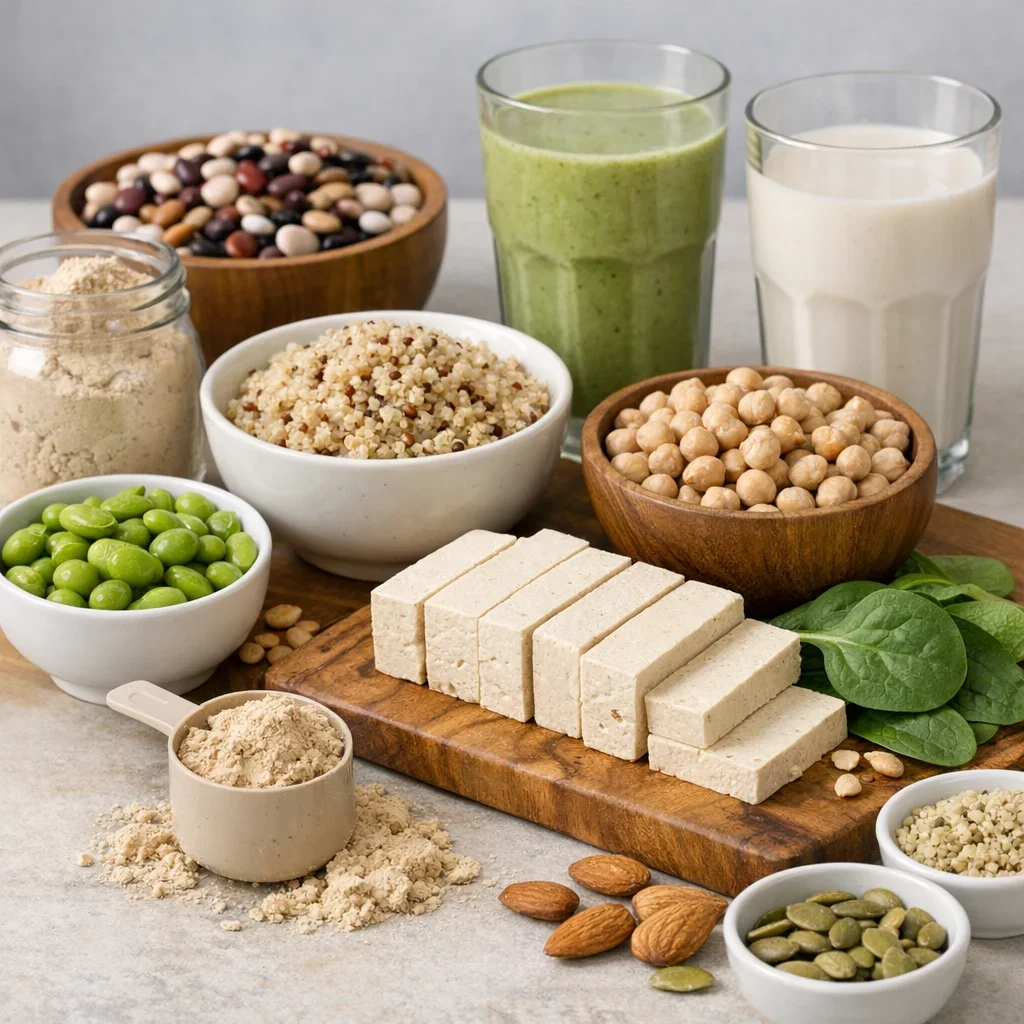
| Protein Source | Protein Content (per 100g) | Additional Benefits |
|---|---|---|
| Legumes (lentils, chickpeas) | 25g | Rich in fiber and iron |
| Quinoa | 14g | Contains all essential amino acids |
| Tofu | 8g | Versatile and low in calories |
| Tempeh | 19g | Fermented, improves digestion |
| Chia seeds | 17g | Rich in omega-3 and antioxidants |
Common Mistakes When Choosing Plant-Based Protein
- Not considering protein quality: Some sources are incomplete.
- Forgetting variety: Relying on just one option limits nutrient intake.
- Ignoring portion sizes: Sometimes, the amount is insufficient to meet daily needs.
- Disregarding protein combinations: Mixing different sources can enhance the amino acid profile.
Quick Tips for Including Plant-Based Protein in Your Diet
- Start your day with a plant-based protein smoothie: blend banana, spinach, and protein powder.
- Make hummus with chickpeas and use it as a dip for your snacks.
- Add quinoa to your salads for an extra protein boost.
- Try grilled tofu as a meat substitute in your dishes.
- Sprinkle chia or flax seeds on your yogurt or oatmeal for a healthy touch.
Updated on 11/10/2025. Content verified with experience, authority, and trustworthiness criteria (E-E-A-T).
FAQ about Plant-Based Protein
Is plant-based protein sufficient for muscle development?
Yes, as long as you combine different sources to ensure you get all essential amino acids. For example, pairing legumes with grains (like rice and beans) can be a good strategy.
Does plant-based protein have lower quality than animal protein?
Not necessarily. Some plant proteins are complete, like quinoa and soy, and can compete in quality with animal proteins. The key is combination and variety.
Can I get enough protein just from vegetables?
Vegetables alone usually do not provide enough protein. It’s better to include legumes, nuts, and seeds in your diet to meet your protein goals.
Do I need plant-based protein supplements?
They are not essential, but can be helpful if you struggle to meet your protein needs through food. Choose quality supplements if you decide to take them.
What is the best plant-based protein powder?
Popular options include pea protein, brown rice, and soy. The choice depends on your preferences and dietary needs.