
Maximize Your Online Security with Virtual Cards
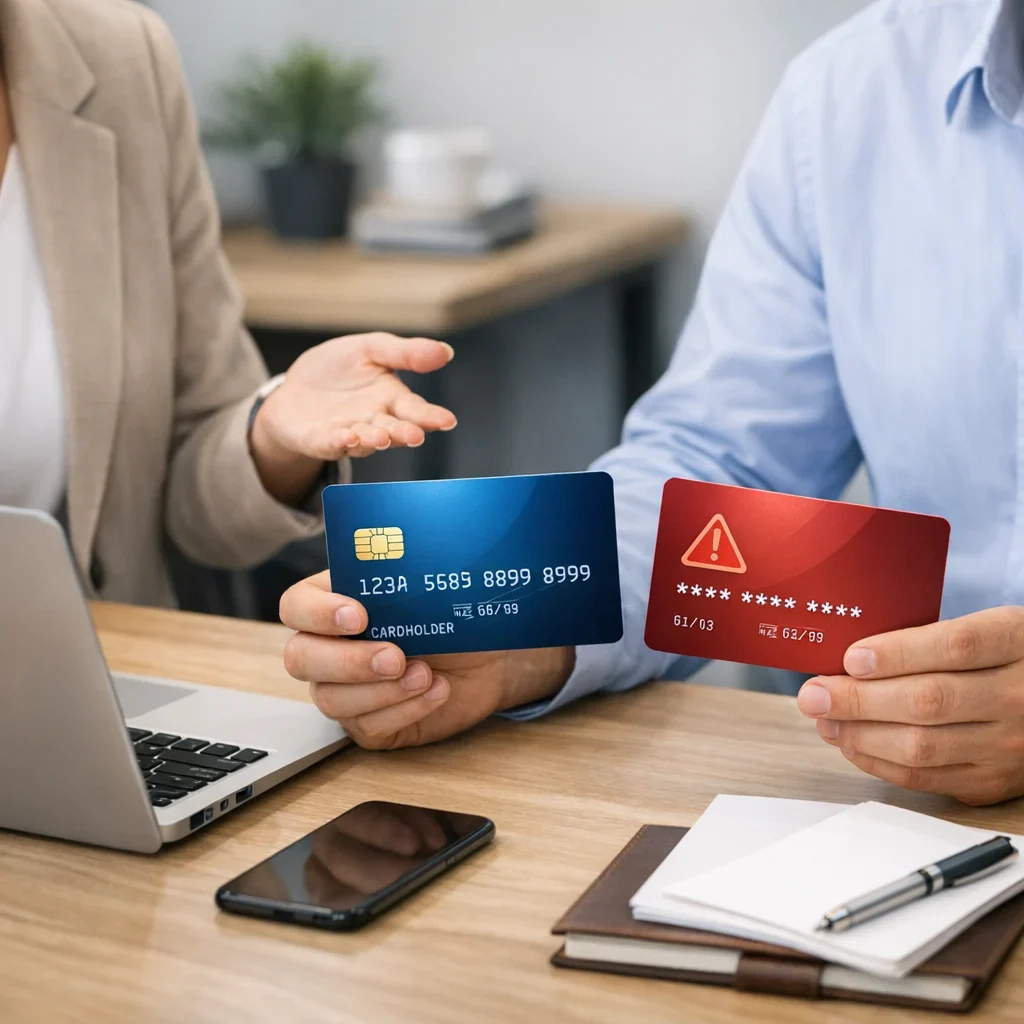
In a world where we juggle work, gym, and online shopping, understanding how to use a virtual card is essential. Have you ever felt panic at the thought of sharing your banking information? With a virtual card, that feeling can be significantly reduced, but is it the perfect solution for everything? Let’s explore when it’s the right time to use one and when you should think twice.
What is a virtual card?
A virtual card is, as the name suggests, a card that does not exist in the physical world. It is generated through a bank or financial institution and is primarily used for online purchases. Its main goal is to enhance security, allowing you to make transactions without exposing your physical card number. Additionally, they often have customizable spending limits and expiration dates, adding an extra layer of protection.
Support the project or tell me what topic to cover next.
Advantages of using a virtual card
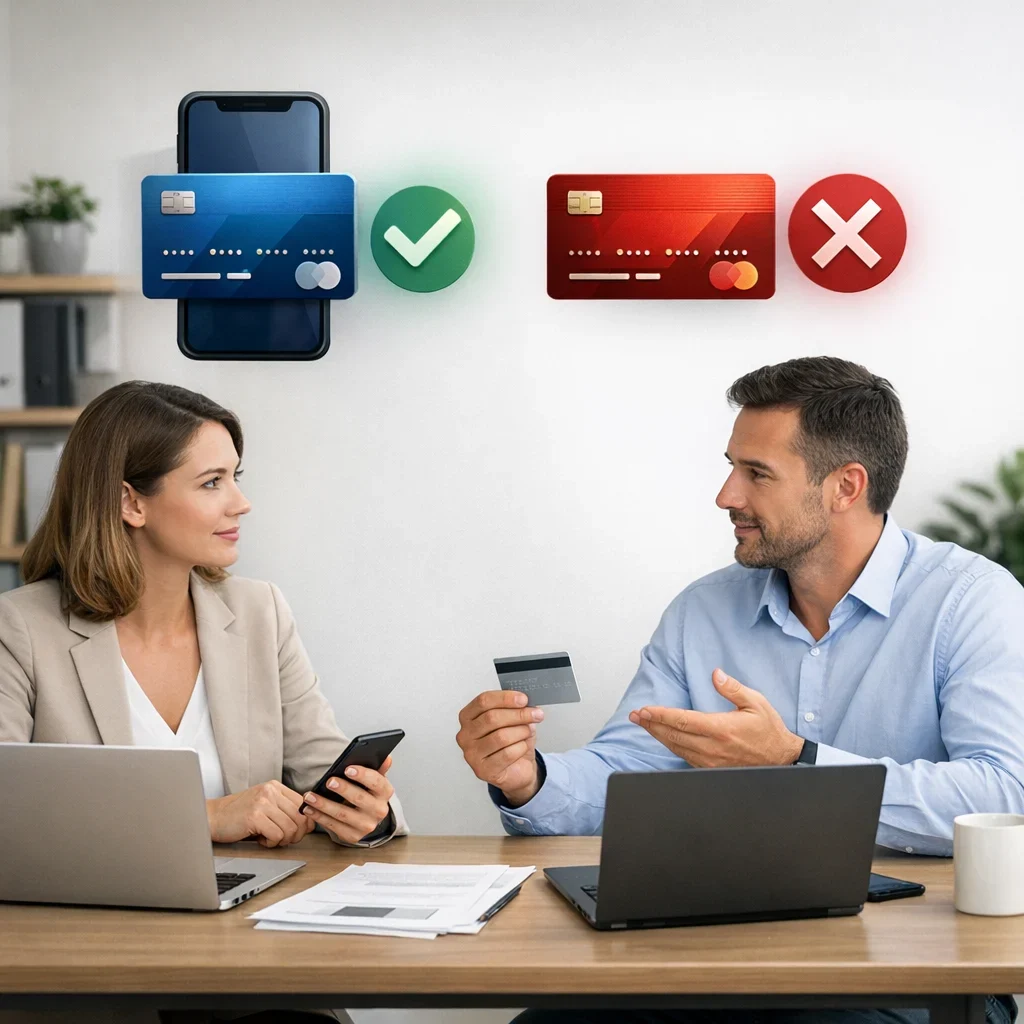
- Security: By not sharing your physical card, you reduce the risk of fraud.
- Control: You can set spending limits, helping you manage your finances better.
- Ease of use: They are generated instantly and are perfect for quick purchases.
- Temporary use: Ideal for subscriptions or one-time purchases, as you can delete them after use.
Disadvantages of using a virtual card
- Limitations: Some companies do not accept virtual cards.
- Cash withdrawal: You cannot withdraw money from an ATM.
- Refund issues: It can be complicated to get a refund if the card has already expired.
- Internet dependency: You need a connection to access your virtual card.
Common mistakes when using virtual cards
- Not checking the seller's refund policy.
- Using the virtual card on unsecured sites.
- Not setting spending limits.
- Forgetting to cancel the card after use.
Quick tips
- Always verify that the website is secure (https://).
- Set a spending limit that fits your needs.
- Use the card for one-time purchases and avoid ongoing subscriptions.
- Cancel the card once you have completed the transaction.
| Element | What to check | Red flag | Action |
|---|---|---|---|
| Website security | Check for https:// | No padlock in the address bar | Do not make the purchase |
| Spending limit | Adjust the limit before use | Excessive spending | Modify the limit |
| Card expiration | Check the expiration date | Expiration date approaching | Generate a new card |
| Refund policy | Read seller's terms | Unclear conditions | Look for another seller |
Practical uses of virtual cards
Virtual cards are not just a passing trend; they have specific applications that can make your daily life easier. Here are some examples of when they truly shine:
Online shopping
The most obvious reason to have a virtual card is, of course, online shopping. If you’re one to hunt for deals online, this tool is your best ally. You can use it for:
- Purchases at trusted stores: When shopping at an e-commerce site you already know, using a virtual card protects you in case something goes wrong.
- Service trials: If you want to try a streaming service or a subscription, a virtual card allows you to avoid being charged after the trial period ends.
- Special events: Got a ticket for a concert? Use a virtual card to buy it and avoid risking your main card.
Temporary subscriptions
Subscriptions can be a trap if you’re not careful. With a virtual card, you can:
- Avoid unwanted charges: If the service doesn’t convince you, simply cancel the card and goodbye to recurring charges.
- Try new platforms: From online course platforms to food delivery services, you can try without fear of getting hooked.
The fine print: what you should keep in mind
Using virtual cards is great, but it’s not all sunshine and rainbows. Here are some points you should consider before diving in:
- Expiration: Don’t forget that these cards have an expiration date. If you forget to renew it, you could find yourself stuck in the middle of a purchase.
- Return policies: Some merchants may complicate things if you need a refund. Make sure to read the conditions before using it.
- Limited use: Not all platforms accept virtual cards, so have a backup plan ready.
Quick comparison of virtual cards
If you’re thinking of venturing into the world of virtual cards, here’s a mini table with the features that different entities typically offer. This way, you can decide which one best suits your needs:
| Entity | Instant generation | Customizable limit | Adjustable expiration |
|---|---|---|---|
| Bank A | Yes | Yes | Yes |
| Bank B | Yes | No | Yes |
| Bank C | No | Yes | No |
| Bank D | Yes | Yes | No |
In summary, virtual cards are a useful tool when used wisely. They are ideal for keeping your data safe and controlling your spending, but remember that proper management is key. If you dive in, make sure the water is warm and that there are no unpleasant surprises waiting for you at the bottom.
Alternatives to virtual cards
While virtual cards are an excellent option for many situations, they are not the only tool in your financial arsenal. Here are some alternatives that can be useful depending on your needs:
Digital wallets
Digital wallets like PayPal, Google Pay, or Apple Pay allow you to make payments without sharing your card information. They act as an intermediary, and many merchants accept them. Additionally, they often have advanced security measures.
- Advantages: Enhanced security and ease of use across multiple platforms.
- Disadvantages: Some may charge fees for transactions or withdrawals.
Prepaid cards
If you prefer to have something physical but still want to control your spending, prepaid cards are a good option. You can load a specific amount and use it like a regular card.
- Advantages: Total control over spending and no need for a bank account.
- Disadvantages: Some may have activation or maintenance fees.
How to choose the best option for you
Deciding between a virtual card and other options can be tricky. Here are some factors to consider:
- Frequency of use: If you shop online often, a virtual card may be more convenient. If you only shop occasionally, a prepaid card might suffice.
- Security: Evaluate how comfortable you are sharing your information. If privacy is your priority, consider options that offer greater anonymity.
- Ease of use: If you don’t want to complicate your life, choose an option that is easy to use and understand.
Ultimately, there is no one-size-fits-all solution. Assess your shopping habits and choose the tool that best fits your lifestyle. And remember, in the digital world, caution is your best ally, so stay alert and don’t get carried away by irresistible offers without doing your homework first. Your wallet will thank you!
When is it better to avoid virtual cards?
Virtual cards are great, but they are not a cure-all. There are situations where it’s better to leave the virtual card at home and opt for other options. Here are some scenarios where you should think twice:
Purchases in physical stores
If you plan to make a purchase in a physical store, the virtual card won’t help much. Unless you want to attempt paying with your mobile, the simplest thing is to use your physical card. Virtual cards are designed for the online world, so if you find yourself in a mall, it’s best to take the card that has a piece of plastic.
Recurring payments
If you have subscriptions that automatically renew, like a streaming service or work software, a virtual card can be a headache. While you can set limits, if you forget to cancel it, you might lose access to those services. It’s wiser to use your regular card for these payments, ensuring you don’t miss out on your favorite shows.
How to manage your virtual cards
Once you decide to use virtual cards, proper management is key to avoiding problems. Here are some practical tips:
Organize your cards
Virtual cards are easy to create, but they can also multiply quickly. Keep track of all the cards you generate. You can use a simple spreadsheet or a notes app. Note:
- Card name: To remember which one you used for what.
- Expiration date: So you don’t get stuck at the most inconvenient time.
- Purpose: Whether it’s for a one-time purchase or a trial service.
Regularly review your spending
It’s easy to lose track of what you’ve spent with multiple virtual cards. Schedule a monthly reminder to review your expenses. This will not only help you stay within your budget but also allow you to cancel cards you’re not using. This way, you’ll avoid unpleasant surprises at the end of the month.
The evolution of virtual cards
Virtual cards have evolved quite a bit in recent years. They were once just an option for the tech-savvy, but today, they are a common resource. Here are some trends and changes shaping the future of these cards:
Integration with cryptocurrencies
The rise of cryptocurrencies has led some companies to offer virtual cards that allow you to spend cryptocurrencies like Bitcoin or Ethereum. This is perfect if you’re in the crypto world and want to make purchases without complications. Just make sure the seller accepts that form of payment.
Greater acceptance
Over time, more merchants are accepting virtual cards. This means you can use them in more places, making them an increasingly viable option for your daily purchases. However, always verify before proceeding; you don’t want to get stuck in the limbo of “we don’t accept virtual cards.”
Improvements in security
Financial institutions are investing in security technology to make virtual cards even safer. From biometric authentication to real-time notifications, it’s becoming increasingly difficult for someone to access your card without your permission. Stay informed about the latest updates to make the most of these improvements.
Conclusion: balance is key
Virtual cards are a powerful tool, but like everything in life, they should be used wisely. Evaluate when and how you use them, and don’t forget to have a backup plan. The key is to find a balance between security and convenience. So, the next time you go to make an online purchase, remember: the best card is the one that fits your needs and makes you feel secure!
Updated on 10/11/2025. Content verified with experience, authority, and trustworthiness criteria (E-E-A-T).
FAQ about virtual cards
Are virtual cards safe?
Generally, yes. They offer greater security than physical cards, as they do not expose your real banking information. However, it is essential to use them on secure and trusted websites.
Can I use a virtual card on all websites?
Not all sellers accept virtual cards. Some platforms may require a physical card, so it’s a good idea to check before proceeding with the purchase.
What happens if I forget to cancel the virtual card?
If you don’t cancel it, you could still be exposed to recurring charges if you used it for subscriptions. It’s always advisable to cancel temporary cards once you complete the transaction.
How can I obtain a virtual card?
Most banks and payment apps offer the option to create a virtual card from their platform. Check with your institution for more details.
Can I withdraw cash with a virtual card?
No. Virtual cards are designed for online purchases and do not allow withdrawals at ATMs. For that, you will need a physical card.
As we have mentioned in other guides from Berraquero.com, using virtual cards can be a valuable tool for keeping your finances and data secure in the digital world. But remember, like everything in life, they should be used wisely.