
Protecting Your Privacy When Using AI Chatbots
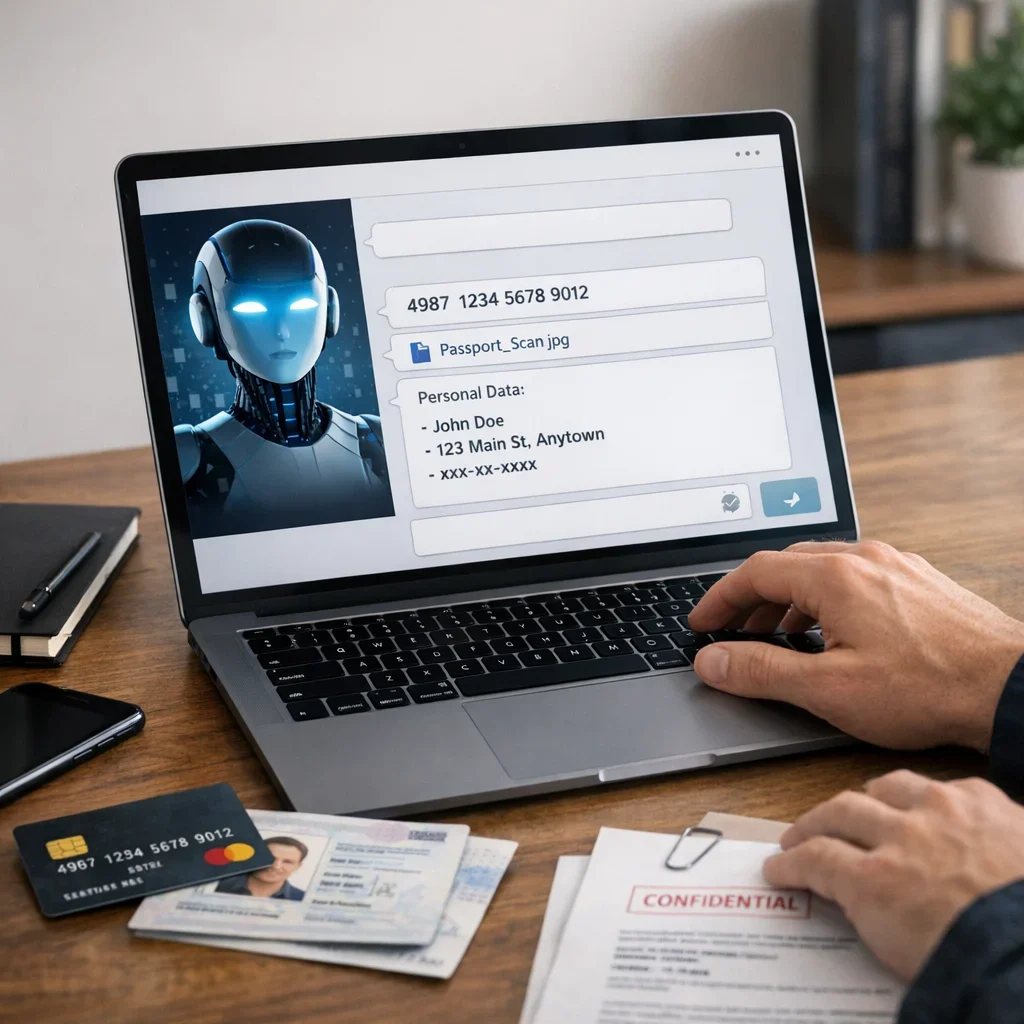
In Spain, where regulations on personal data are as strict as coffee at a business meeting, the relationship between AI and privacy is a matter that cannot be taken lightly. The rise of chatbots and virtual assistants in businesses and public services has sparked an urgent debate: what information is safe to share with these artificial intelligences and what is not? If you work in a business or tech environment, understanding the limits of privacy in interactions with chatbots is as crucial as knowing not to paste sensitive or confidential data into them.
Why Privacy Matters When Using AI Chatbots
Chatbots have evolved from simple automated responses to systems that process and store data to enhance user experience and optimize business processes (ERP, CRM, automation, etc.). However, this capability comes with an inherent risk: the exposure of sensitive information. In Spain, with the GDPR (General Data Protection Regulation) as the legal framework, companies must be especially careful to avoid penalties and maintain the trust of clients and employees.
Support the project or tell me what topic to cover next.
Moreover, AI does not always discriminate what data stays in its memory or what information is shared with third parties, so understanding what you should never paste into a chatbot is more than just a recommendation; it is a necessity.
Common Mistakes When Using Chatbots in Business Environments
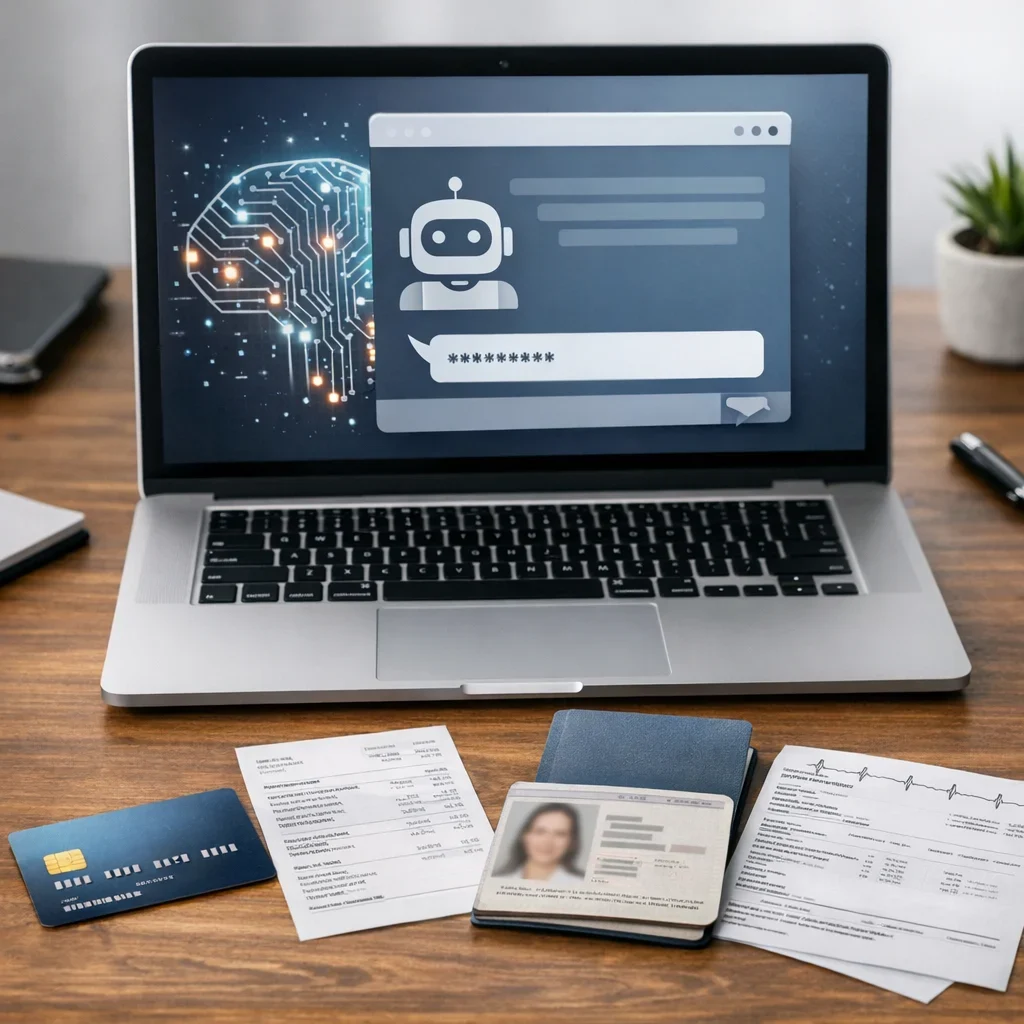
- Sharing sensitive personal data: Full names, ID numbers, social security numbers, banking or financial data. Pasting this information into a chatbot is like leaving your house key in the door.
- Confidential company information: Business strategies, client data, contracts, or internal details. Even if the chatbot is internal, it may be connected to external services or stored in the cloud.
- Passwords or access codes: It seems obvious, but it still happens. Never use chatbots to handle or share credentials.
- Medical or health-related data: In sectors like insurance or HR, sharing this type of information can violate specific laws and jeopardize the privacy of employees or clients.
- Assuming chatbots are anonymous: Many users believe that conversations are not stored or analyzed, when in reality, they can be used to train models or improve services, inadvertently exposing data.
Quick Tips to Protect Your Privacy When Using Chatbots
- Avoid pasting personal or sensitive data. If you need to consult information, use generic references or internal codes without revealing real data.
- Check the chatbot's privacy policy. Ensure it complies with GDPR and clearly informs about data handling.
- Use official chatbots or trusted providers. Don't take risks with free or opaque solutions.
- Request training in your company. Awareness about AI and privacy is key to avoiding common mistakes.
- Properly configure ERP and CRM systems. Many chatbots integrate into these platforms, and poor configuration can expose data.
- Regularly review and clean chat histories. Don't let accumulated old data become a risk.
Comparative Table: Types of Data and Their Suitability for Sharing in Chatbots
| Type of Data | Can it be pasted in a chatbot? | Main Risk | Recommendation |
|---|---|---|---|
| Full name | No | Direct identification | Use aliases or codes |
| ID number | Absolutely not | Identity theft, legal penalties | Never share |
| Internal company data | No | Information leakage, competition | Use secure and internal channels |
| General non-personal information | Yes | Low | Verify context and policy |
| Banking data | No | Financial fraud | Never share |
| Generic inquiries or questions | Yes | Very low | Ideal for chatbots |
Integrating AI with ERP and CRM: A Privacy Minefield
The integration of AI into ERP and CRM systems is revolutionizing business productivity, but it also multiplies privacy risks. When feeding chatbots with data extracted from these platforms, it must be ensured that only anonymized or strictly necessary data is shared.
As we have seen in other guides from Berraquero.com on automation and intelligent agents, a common failure is the lack of proper segmentation of information, which ends up exposing personal or strategic data in seemingly innocuous interactions.
What Spanish Law Says About AI and Privacy
The GDPR is the fundamental pillar in Spain for the protection of personal data, but there are also specific guidelines on artificial intelligence, transparency, and accountability that companies must comply with. The Spanish Data Protection Agency (AEPD) has issued clear recommendations for the use of AI, emphasizing the need to inform users and minimize data collection.
Moreover, the new European Artificial Intelligence Act is about to further reinforce these obligations, so staying updated is not a luxury but a necessity for any company using chatbots.
For more technical and legal details, you can consult the official website of the Spanish Data Protection Agency.
Updated on 11/10/2025. Content verified with experience, authority, and reliability criteria (E-E-A-T).
FAQ About AI and Privacy in Chatbots
Can I share personal data if the chatbot is internal to the company?
No, not even joking. Even if the chatbot is internal, personal data must be handled with extreme care. Systems may be connected to the cloud or third parties, and any breach can have legal and reputational consequences. It's better to use pseudonyms or internal references that do not identify specific individuals.
How do I know if a chatbot complies with Spanish privacy regulations?
Check its privacy policy and terms of use. They should clearly specify what data they collect, for what purpose, and how long they store it. Responsible companies also offer options to limit data use or request deletion. If it sounds complicated or is in fine print, don't trust it.
What happens if I accidentally paste sensitive information into a chatbot?
First, inform the privacy officer or IT department of your company immediately. Also, check if the chatbot allows you to delete messages or if you have the option to request data deletion. Speed is key to minimizing risks, but remember that complete deletion is not always guaranteed.
Can chatbots learn from my data and use it in other conversations?
It depends on how the system is configured. Some chatbots use aggregated data to improve their responses, but they should not share information between users or store personal data without explicit consent. In responsible companies, this functionality is highly controlled and monitored to comply with the law.
Are there safe alternatives to use AI without compromising privacy?
Yes, there are on-premises or private AI solutions that do not send data to the cloud and comply with European regulations. Additionally, techniques like data anonymization and encryption help minimize risks. As highlighted in other guides from Berraquero.com on secure automation, the key is to choose the right technology and properly configure the systems.