
Understanding Omega-3: When Should You Consider Supplementing?

If you've ever wondered whether omega-3 supplements are the key to achieving your fitness goals, you're not alone. In the hustle and bustle of daily life, juggling work, the gym, and social commitments, it's easy to get lost in the maze of nutritional advice. But do you really need omega-3s to perform at your best, or are they just another passing trend? Let's unravel this mystery.
What Are Omega-3s and Why Are They Important?
Omega-3s are essential fatty acids that our bodies cannot produce on their own. This means we must obtain them through diet or supplements. There are several types, but the most well-known are ALA, EPA, and DHA. These fatty acids have been shown to positively impact cardiovascular health, brain function, and inflammation reduction, which is crucial if you spend hours at the gym.
Support the project or tell me what topic to cover next.
Dietary Sources of Omega-3s
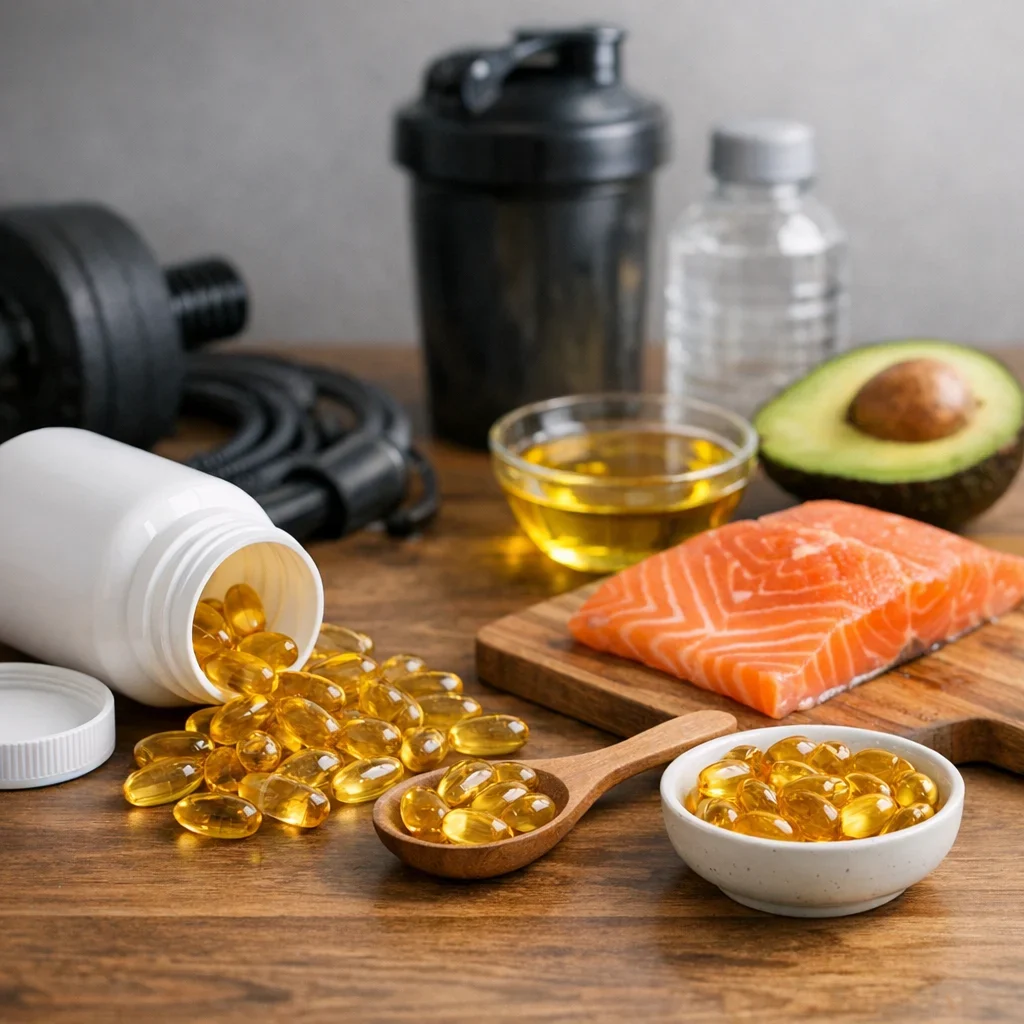
While supplements are popular, it's possible to obtain omega-3s from natural sources. Here are some of the most notable:
- Fatty Fish: salmon, tuna, sardines, and mackerel are rich in EPA and DHA.
- Walnuts: a good source of ALA, ideal for vegetarians.
- Chia and Flax Seeds: perfect for adding to your smoothies or yogurts.
- Olive and Canola Oil: also contain omega-3s, though in smaller amounts.
When Should You Consider Supplementation?
Supplementing with omega-3s may make sense under certain circumstances:
- If you don't consume enough omega-3-rich foods.
- If you are vegetarian or vegan and need ALA.
- If you train intensely and want to reduce muscle inflammation.
- If you have specific health conditions that require nutritional attention.
Comparison Table: Omega-3 from Foods vs. Supplements
| Source | Type of Omega-3 | Benefits | Supplementation Potential |
|---|---|---|---|
| Fatty Fish | EPA and DHA | Cardiovascular health, inflammation reduction | Low, if consumed regularly |
| Walnuts | ALA | Brain health, antioxidant | Moderate, if no other sources are available |
| Fish Oil Supplements | EPA and DHA | Convenience, high concentration | High, if fish is not consumed |
| Chia Seeds | ALA | High in fiber, heart-healthy | Low, if included in the diet |
Common Mistakes When Supplementing Omega-3s
- Not researching the quality of the supplement: many are of low quality and do not meet expectations.
- Taking excessive doses: more is not always better and can cause adverse effects.
- Failing to consult a professional: every body is different, and what works for one may not work for another.
- Ignoring diet: supplements are not a substitute for a balanced diet.
Quick Tips for Incorporating Omega-3s into Your Life
- Include fish in your diet at least twice a week.
- Add chia seeds to your smoothies or yogurts.
- Opt for a quality supplement if you don't consume enough omega-3s.
- Consult a nutritionist to personalize your intake.
- Remember that variety in your diet is key to obtaining all necessary nutrients.
Updated on 11/10/2025. Content verified with experience, authority, and trustworthiness criteria (E-E-A-T).
FAQ about Omega-3s and Their Use in the Gym
Do Omega-3s Help with Muscle Recovery?
Yes, omega-3s can help reduce inflammation and improve recovery after intense workouts. This can lead to less muscle soreness and a quicker return to training.
Is it Safe to Take Omega-3s Every Day?
Generally, yes. However, it's important to follow recommended dosages and consult a professional if you have pre-existing health conditions.
Can I Get Enough Omega-3s Just from Diet?
Theoretically, yes, if you consume an adequate amount of fish and plant sources. However, many people struggle to reach the necessary amounts through food alone, making supplementation helpful.
How Much Omega-3 Should I Take if I Train Regularly?
The ideal amount varies based on individual needs, but a daily dose of 1 to 3 grams of EPA and DHA is common among those seeking benefits in recovery and inflammation reduction.
Do Omega-3s Have Side Effects?
At appropriate doses, side effects are rare, although some individuals may experience gastrointestinal discomfort. Additionally, at very high doses, they may increase the risk of bleeding.