
Benefits and Recommendations of Physical Activity for a Healthy and Active Life
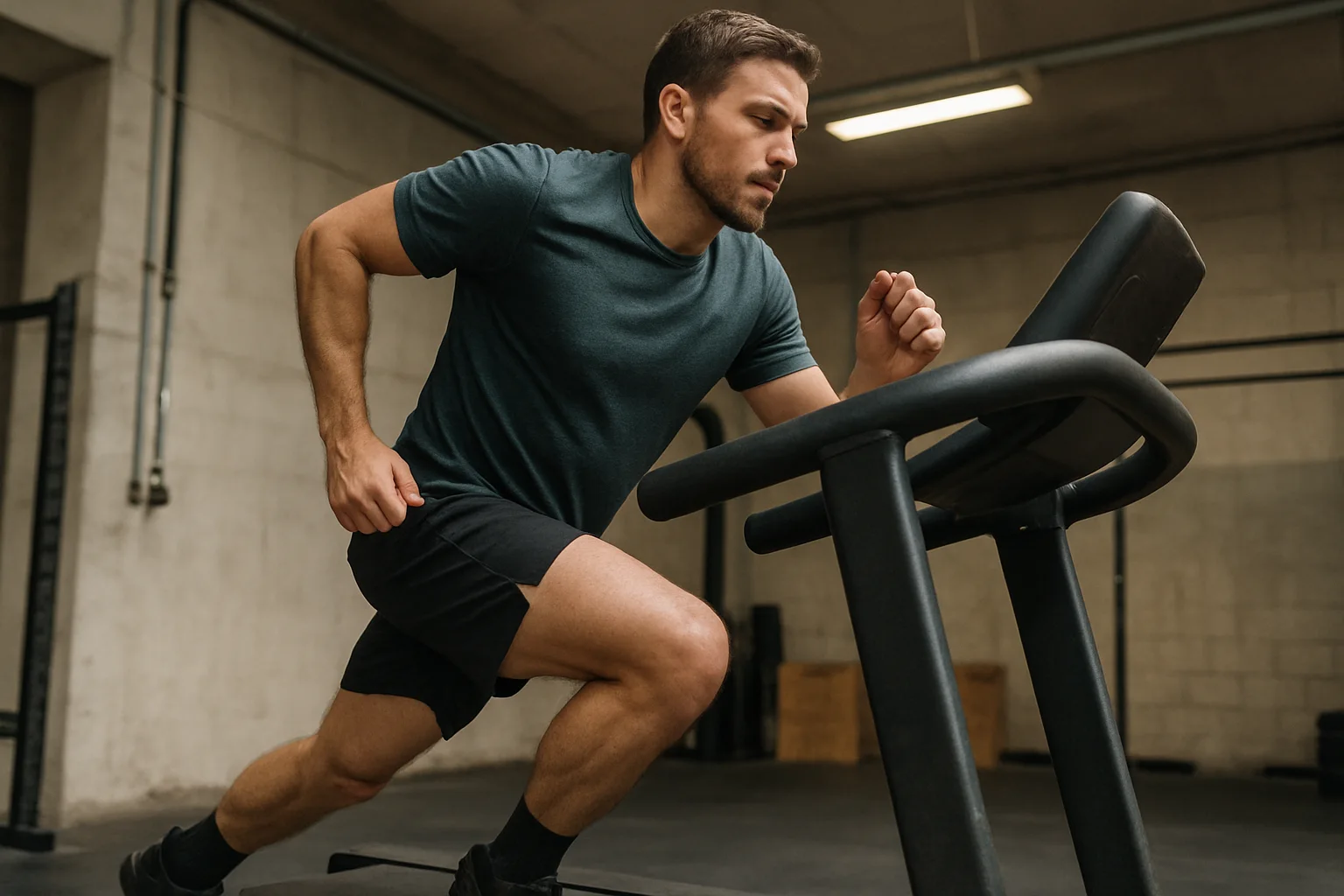
If you're here, you probably know that moving is good for you. But how much? The benefits of physical activity are not just an empty mantra; they are evidence-based guidelines that tell us how and why we should stay active to live better and longer. I'm not here to sell you a dream, but to clearly explain what your body and mind gain and what guidelines to follow so that physical activity becomes a real ally in your daily life rather than a chore.
What Physical Activity Does for Your Body and Mind: Beyond Muscle and Cardio
When we talk about physical activity, we often think of going to the gym to lift weights or run miles. But the reality is that any movement that involves energy expenditure counts: from climbing stairs to playing with kids or riding a bike. According to the World Health Organization (WHO), regular physical activity not only improves your cardiovascular fitness and muscle strength (strengthMuscle), but also has a profound impact on mental health, cognitive development, and the prevention of chronic diseases.
In adults, consistent practice reduces the risk of cardiovascular diseases, type 2 diabetes, certain types of cancer, and obesity-related issues. But it doesn't stop there: it also combats depression and anxiety, improves sleep quality, and enhances brain function. For children and adolescents, physical activity is crucial for bone development, muscle growth, and the improvement of motor and cognitive skills. That's why stopping movement is not an option if we want to stay healthy and functional.
Now, did you know that more than 30% of adults and up to 80% of adolescents do not meet the minimum recommendations for physical activity? This alarming statistic predicts an increase in chronic diseases and a huge burden on health systems in the coming years if we don't change course.
How Much Physical Activity is Enough? Official Recommendations for All Ages
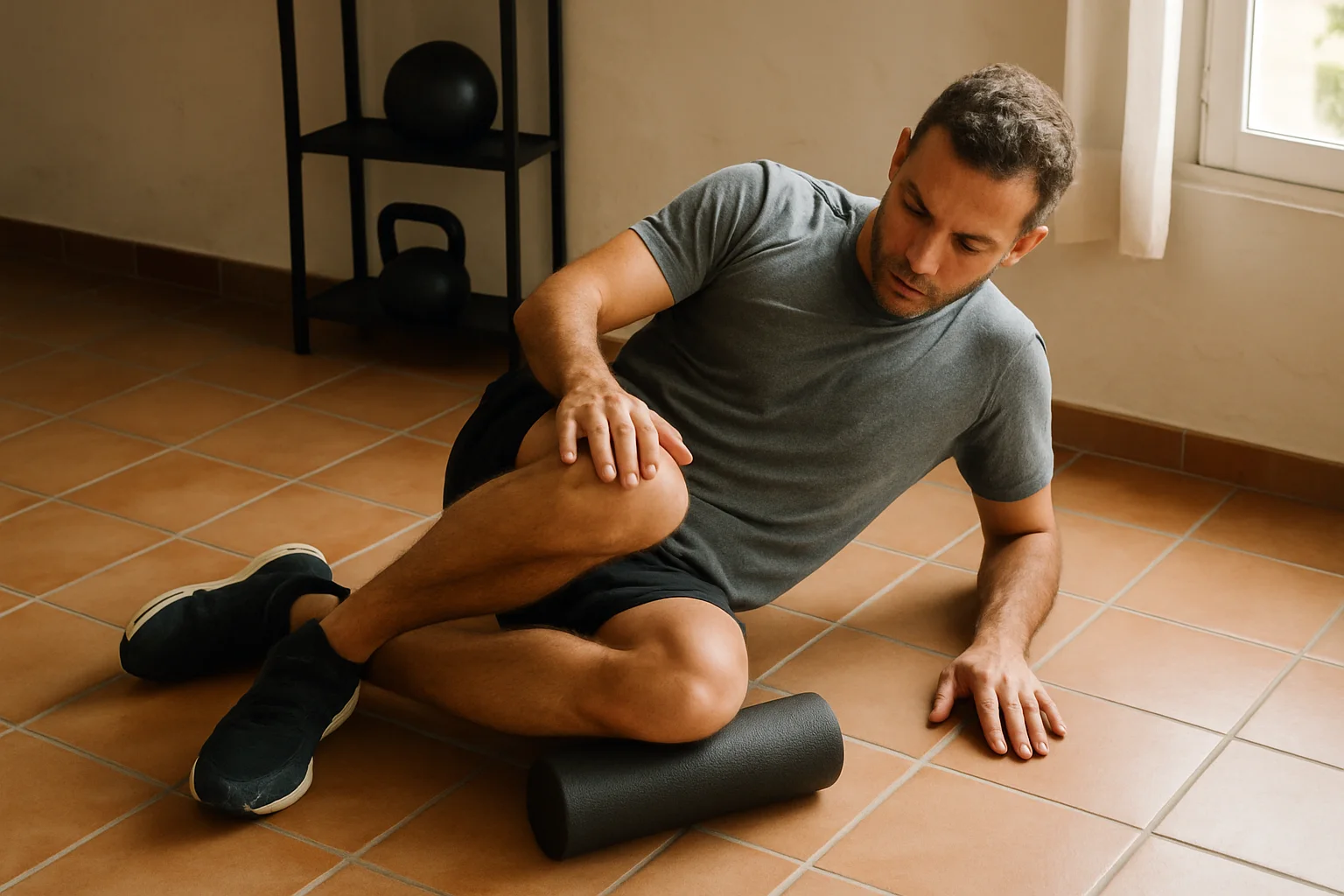
The WHO has established clear guidelines for physical activity to be truly effective and safe. It's not about exercising recklessly, but finding a balance that provides real benefits. For adults, the minimum recommendation is to engage in at least 150 minutes of moderate activity or 75 minutes of vigorous activity per week, or an equivalent combination. This can include anything from brisk walking (cardioActiveLiving) to playing sports or strength training.
Additionally, we must not forget about muscle strength training, which helps maintain muscle mass, bone density, and functionality, especially as we age. The WHO insists that these activities should be performed at least twice a week, focusing on the major muscle groups.
For children and adolescents, the recommendation increases to 60 minutes of moderate to vigorous physical activity daily, including exercises that strengthen muscles and bones at least three times a week. For those over 65, it is advised to maintain physical activity adapted to their abilities, prioritizing balance and strength to prevent falls.
If you are pregnant or in the postpartum period, physical activity is also beneficial and safe as long as there are no medical contraindications. It reduces risks such as preeclampsia, gestational diabetes, and improves overall well-being.
A fun fact: any amount of physical activity is better than none. You don't have to wait for free hours to train; incorporating movement into your daily routine already counts and adds to your health.
The Dangers of Inactivity and How to Avoid Them
If physical activity is gold, inactivity is its dark side. Sedentary behavior, understood as prolonged periods of low energy like sitting or lying awake, is a risk factor for non-communicable diseases and premature mortality. We live in an era where motorized transport, remote work, and digital leisure increase the hours spent sitting without moving a muscle.
In children, sedentary behavior is associated with higher adiposity, cardiometabolic issues, and difficulties in social behavior. In adults, it increases the risk of mortality from any cause, as well as cardiovascular diseases, cancer, and type 2 diabetes.
That's why official recommendations not only emphasize the amount of physical activity but also the importance of limiting sedentary time. Getting up every so often, walking a bit, stretching, and avoiding hours in front of screens are simple yet effective measures.
Have you considered how much time you spend sitting each day? It's a good starting point to adjust your habits.
Integrating Physical Activity into Daily Life: Practical and Realistic Recommendations
We all know that it's not always easy to meet physical activity recommendations, especially with tight schedules and multiple responsibilities. But the key is to adapt movement to our context and preferences so that it is sustainable.
- Walking or biking for short trips is a simple way to incorporate cardio and movement.
- Taking the stairs instead of the elevator activates your muscles and improves endurance.
- Strength exercises can be done at home using your body weight or minimal equipment.
- Participating in sports or group activities adds motivation and makes activity more fun and social.
- Reducing sedentary time by getting up every hour if you work seated and avoiding excessive screen time.
Moreover, combining strengthMuscle with cardioActiveLiving not only improves physical health but also optimizes performance in any sport or activity you enjoy. It's not about being an athlete, but finding the balance that allows you to feel strong, agile, and energetic.
Ultimately, physical activity is a fundamental pillar for a healthy and active life. It's not a matter of age or condition, but a commitment to oneself to prevent diseases, improve quality of life, and enjoy each day more.
So, how are you going to move today?
Original source: World Health Organization - Physical activityNext step: Hypertrophy and Strength: What is the Real Relationship Between Gaining Muscle and Lifting More.
Published: 01/10/2026. Content reviewed using experience, authority and trustworthiness criteria (E-E-A-T).
This article may have used artificial intelligence tools to support structure, editing, translation or review. Editorial responsibility and final review remain with Toni Berraquero. View AI policy

You can support the project or share this article in one click. At least this block does something useful.