
What Your Wi-Fi Router Lights Mean: With These Keys, You'll Make Your Internet Faster

Internet, Wi-Fi: What Your Wi-Fi Router Lights Mean: With These Keys, You'll Make Your Internet Faster.
Keys About Internet, Wi-Fi
The lights on your router are like those friends who always have something to say, but no one listens. If you've ever looked at those blinking lights and wondered if your router is speaking in code, welcome to the club. Today, we're going to unravel that mystery and, in the process, make your internet run like a Ferrari instead of a rusty tricycle.
Why Should You Pay Attention to Your Router Lights?
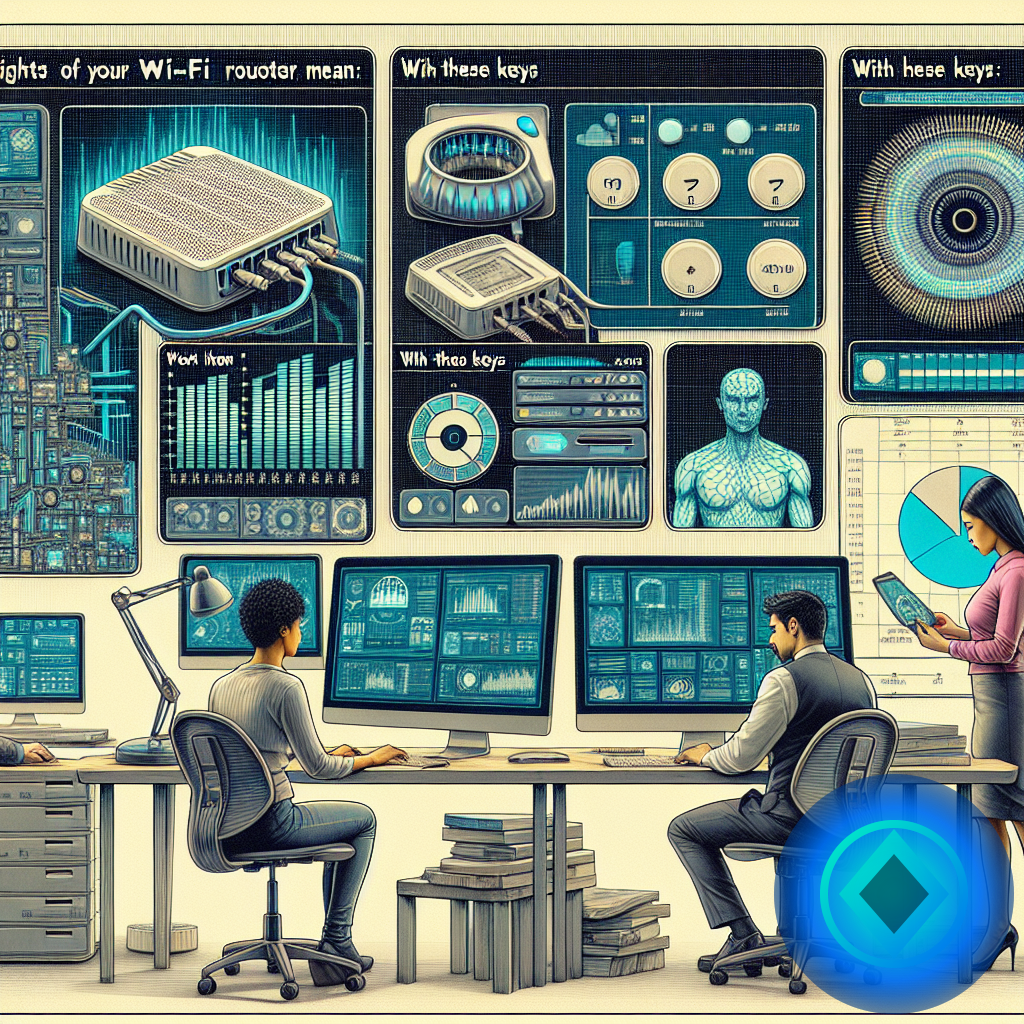
First, because if you want your internet connection to not be a constant game of hide and seek, it's better to know what those colors and blinks mean. A red light could be the first sign that something is more broken than your vacation dreams. On the other hand, a green light might signal that the connection is more stable than your relationship with morning coffee.
What Does Each Light Mean?
Let's take a look at what's behind your router's light panel. Each light has a role clearer than your New Year's resolutions, and there's no room for ambiguity here.
Power Light
If this light is off, your router might be on vacation. Turn it on and see if it comes back to life. If it blinks, it's like it's sneezing: something's not right.
Internet Light
Essential. If it's red, your internet provider has probably decided to give you a forced break. If it's green, you're ready to surf. But if it blinks, you might be having a date with buffering.
Wi-Fi Light
If this light isn't on, your router is lonelier than a dog in a cat store. Make sure Wi-Fi is turned on. A steady glow means everything is fine. If it blinks, there are devices connected that are probably watching cat videos without you knowing.
Common Mistakes That Ruin Your Connection
Most people make the mistake of placing the router in the darkest corner of the house, as if it were an unconfessed secret. Put it in a central location, free from obstacles. And please, don't cover it with a blanket unless you want it to function as a sauna.
Quick Tips to Optimize Your Connection
If you want your connection to be faster, make sure there are no connected devices you're not using. Each plugged-in gadget is like a friend ordering takeout: it's going to slow down the process. Also, update your router's firmware from time to time. Ignoring this task is like not changing the batteries in your remote: eventually, you'll be left in the dark.
Frequently Asked Questions (FAQ)
Why is my internet slow if the light is green?
The problem might be with your service provider or the device you're using. Check your connection speed with an online test and act accordingly. Sometimes, it's like going to a restaurant and being served cold food; it's not your fault, but you need to complain.
Can I have multiple devices connected without issues?
In theory, yes. But the more there are, the more load on your router. If you have the whole family at home and everyone is streaming in HD, your connection will turn into a traffic jam. You need to manage connections, just like at a good dinner: if everyone orders a different dish, the kitchen collapses.
How often should I restart my router?
Restarting it from time to time is like taking a deep breath. Once a week is enough. If you do it more often, you might be dealing with a router that suffers from anxiety.
Conclusion
Now that you know what those lights mean, no more excuses for not having a fast connection. Learn to listen to what your router has to say, and with these keys, you'll make your internet run faster. Don't forget that sometimes the answer is right in front of you, shining on a little light panel.
Published: 05/05/2026. Content reviewed using experience, authority and trustworthiness criteria (E-E-A-T).
This article may have used artificial intelligence tools to support structure, editing, translation or review. Editorial responsibility and final review remain with Toni Berraquero. View AI policy
Internet and Wi-Fi: A Practical Guide
Nowadays, having internet access is almost as vital as having drinking water. Connectivity not only allows us to access information in seconds, but it's also the gateway to a world of opportunities. However, not everything is perfect. Setting up a Wi-Fi network can be a real headache if you don't know where to start. Here, I'll give you a clear and concise overview of how to optimize your online experience.
What is Wi-Fi and Why is it Important?
Wi-Fi is the technology that allows your devices to connect to the internet wirelessly. This freedom is essential, as it not only simplifies the connection but also lets you move around your home or workplace without losing signal. However, the quality of the connection can be affected by various factors, such as distance from the router, interference from other devices, or even the structure of your house.
Types of Internet Connections
There are several ways to connect to the internet: ADSL, fiber optic, wired connections, and mobile networks. Fiber optic is the fastest and most stable option, while ADSL can be cheaper but less efficient. The choice of your connection type will depend on your needs and available budget.
Configuring Your Wi-Fi Router
Setting up your router correctly is crucial for enjoying a smooth browsing experience. Make sure to change the default password and network name (SSID) to avoid unauthorized access. Also, check that your router is updated with the latest firmware to ensure optimal performance and maximum security.
Common Problems and How to Fix Them
If you experience frequent connection drops, first check the location of the router. Placing it in a central location in the house can improve the signal. You can also try restarting the router from time to time, as this can solve many connectivity issues. If you're still having problems, consider getting a signal repeater or a mesh system to extend coverage.
Quick Tips
- Router Location: Place your router in a high and central location for better coverage.
- Change the Password: Don't use the default password; choose one that is secure and hard to guess.
- Update Regularly: Keep your router's firmware up to date to enjoy improvements and security patches.
- Use a Guest Network: If you have frequent visitors, create a guest network to protect your main network.
- Monitor Connected Devices: Check how many devices are connected to your network and disconnect those you don't recognize.

You can support the project or share this article in one click. At least this block does something useful.