
How to Spot a Fake Website Before Entering Your Card Details
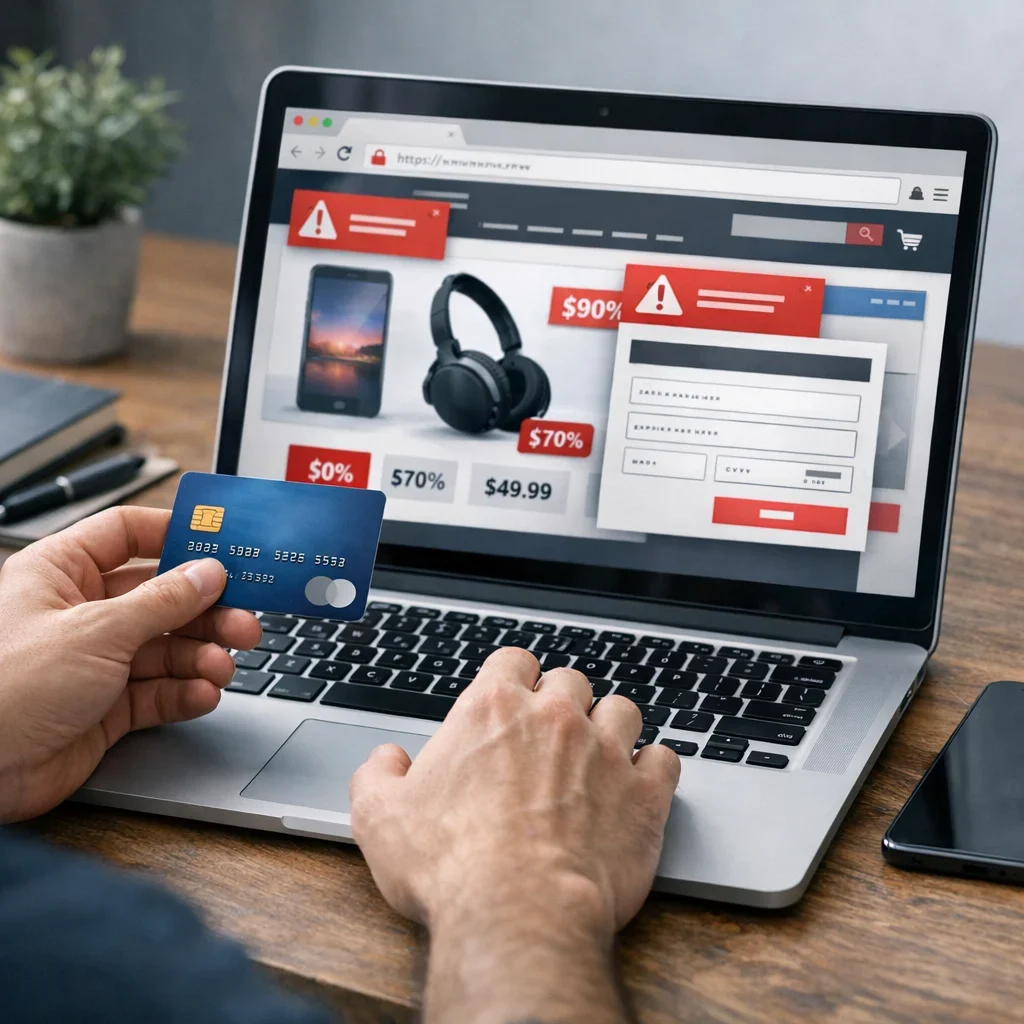
In the digital age we live in, knowing how to recognize a fake website has become an essential skill, especially in Spain, where online shopping is increasingly common. There's nothing more frustrating than discovering you've fallen into a virtual trap just when you were about to buy that jacket you loved. So, if you don't want your money to end up in a scammer's account, keep reading.
Characteristics of Fake Websites
First, let's cover the basics. Fake websites often have certain characteristics that give them away. Here are a few to keep in mind:
- Unprofessional design: If the website looks like it came from a school project, be suspicious.
- Grammar and spelling errors: A serious company wouldn't allow these mistakes.
- Lack of contact information: If you can't find a phone number or a physical address, it's better to steer clear.
- Prices that are too low: If something seems too good to be true, it probably is.
- Copied content: Use online tools to check if the text has been plagiarized.
How to Verify a Website's Authenticity
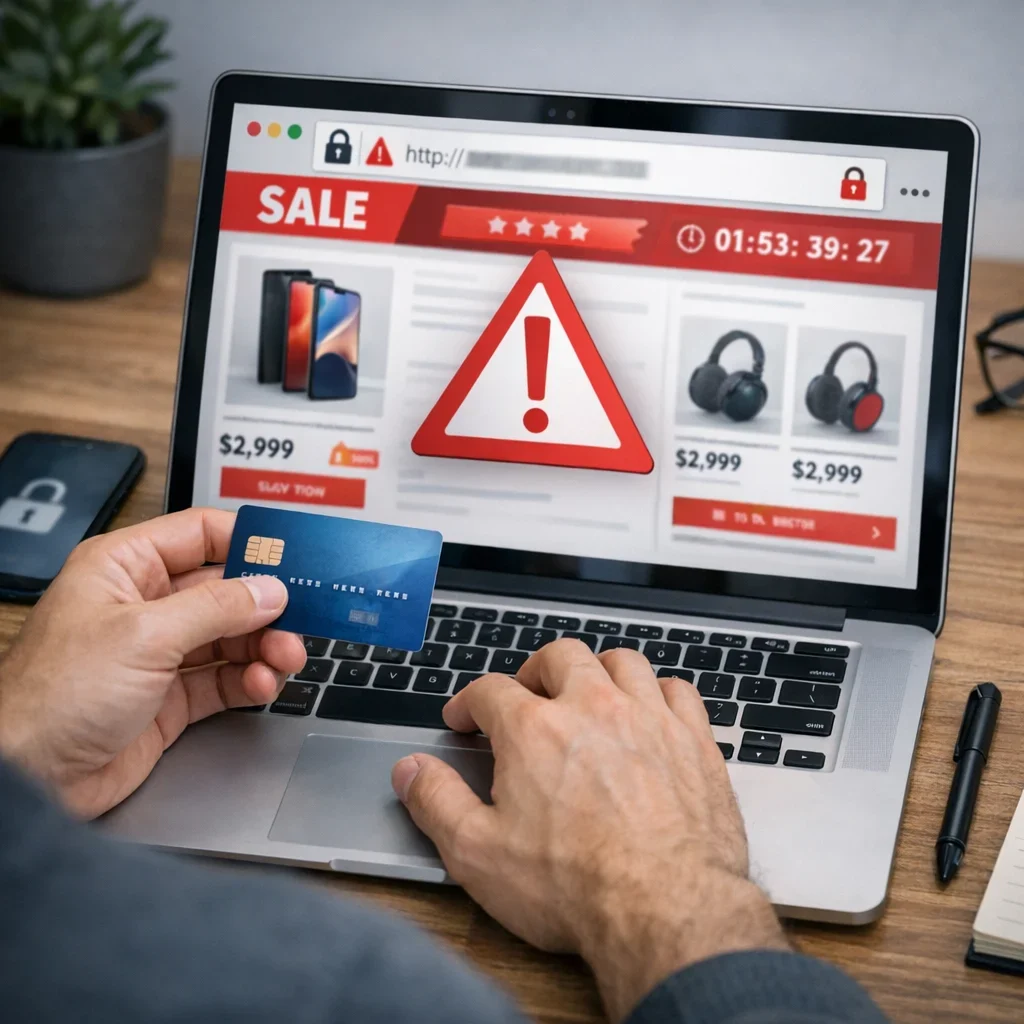
Now that you know what to look for, let's see how you can verify if a website is legitimate or not. Here are some practical steps:
- Check for HTTPS: Make sure the website has an SSL certificate. Look for the padlock in the address bar.
- Consult reviews: Look for reviews on forums and social media. If you see many complaints, you know what to do.
- Use verification tools: There are sites like Scamwatch that can help you identify fraudulent websites.
- Review the return policy: A reputable store will always have a clear policy in case something goes wrong.
Common Mistakes While Browsing
Sometimes, in the rush to snag that deal, we make mistakes that can cost us dearly. Here are some of the most common:
- Ignoring the URL: Not all addresses are the same. Pay attention to the spelling.
- Not researching: Laziness can lead to financial loss. Do your homework.
- Blindly trusting social media: Promotions you see on Instagram aren't always safe.
- Using public Wi-Fi networks: Don't make purchases on networks that aren't trustworthy. It's like opening your front door to a stranger.
Quick Tips for Safe Browsing
Here are some tricks you can apply in your daily life to avoid falling into traps:
- Always look for third-party reviews before buying.
- Use a password manager to create secure passwords.
- Be wary of emails asking for personal information.
- Before entering payment details, verify that the website is trustworthy.
| Characteristic | Legitimate Website | Fake Website |
|---|---|---|
| Design | Professional and polished | Unattractive and full of errors |
| Contact Information | Clear phone number and address | Missing or suspicious |
| User Reviews | Mostly positive | Complaints and reported scams |
| SSL Certificate | HTTPS present | No HTTPS or warnings |

You can support the project or share this article in one click. At least this block does something useful.
Published: 11/05/2026. Content reviewed using experience, authority and trustworthiness criteria (E-E-A-T).
This article may have used artificial intelligence tools to support structure, editing, translation or review. Editorial responsibility and final review remain with Toni Berraquero. View AI policy
FAQ
What should I do if I think I've visited a fake website?
The first thing is to leave the page immediately. Then, change your passwords and monitor your bank accounts. If you've shared personal information, consider speaking with your bank or the police.
How can I protect my personal data when shopping online?
Use a VPN, ensure the website is secure, and avoid entering sensitive data on public Wi-Fi networks. A good practice is to create virtual credit cards for online purchases.
Are there tools to help me detect fraudulent websites?
Yes, there are several online tools that can help you verify a website's authenticity. Search Google for "website verifier" and you'll find useful options.
Is it safe to buy on second-hand platforms?
It depends on the platform. Always research seller ratings and ensure they offer buyer protections. If any offer seems too good, be cautious.
What information should I look for in the return policy?
Check if the policy is clear, the timeframes for returning products, and if there are any associated costs. An ambiguous policy can be a red flag.