
Strength and flexibility training: a practical guide to maintaining mobility and preventing falls
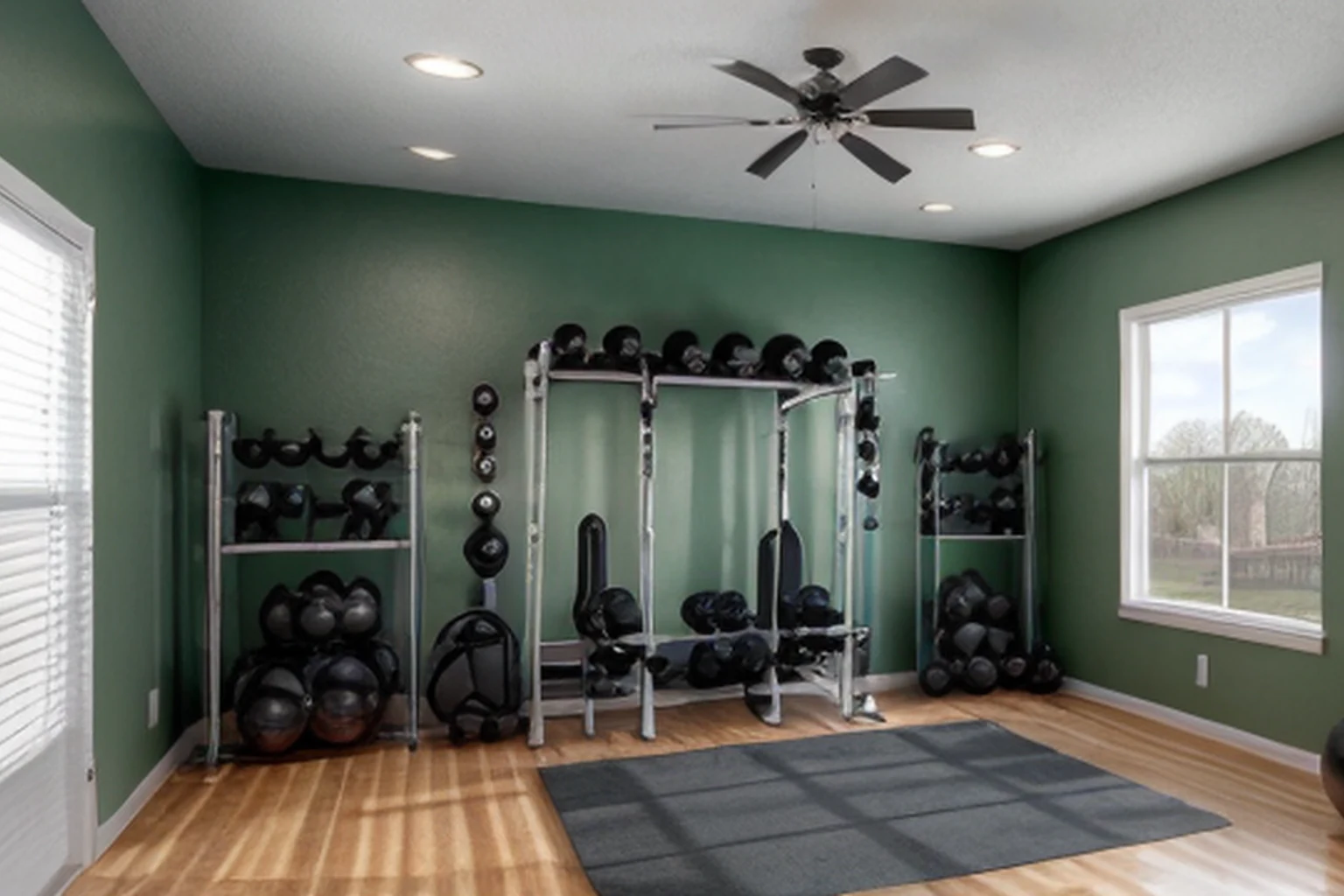
Original source: How to improve your strength and flexibility.
Illustrations generated for Berraquero.com with Realistic Vision V5.1 Hyper (VAE), SG_161222.
Activities that work the muscles beyond what is usual are defined as muscle strengthening exercises. These actions increase resistance, size, and power of the muscle tissue, but their execution requires a perceptible effort that justifies a pause before continuing. To consider that enough work is being done, the activity must reach that point where it becomes difficult to complete another repetition without external help.
The distinction between this type of training and pure cardio is fundamental. The time dedicated to muscle strengthening does not count towards the 150 weekly minutes of moderate-intensity physical activity recommended by general health guidelines. However, if aerobic activity is performed with vigorous intensity, such as circuit training or contact sports, it also contributes to strengthening muscles.
Differentiation between muscle strengthening and aerobic activity
The concept of strength exercise implies working against resistance, whether through body weight or external tools. Activities that fit into this category include weightlifting, use of resistance bands, heavy gardening such as digging or raking, climbing, and the practice of yoga.
In contrast, traditional aerobic activities like walking or cycling do count towards the weekly goal of 150 minutes. It is important not to confuse both concepts, as an isolated strength exercise does not replace the need to maintain general physical activity of moderate intensity.
The NHS highlights that muscle strengthening exercises help maintain the ability to perform daily tasks and slow the loss associated with aging. This includes both bone and muscle tissue, which is crucial for preventing falls.
Specific exercises to prevent falls

Fall prevention depends directly on leg strength, balance, and coordination. Activities that improve these capabilities include tai chi, yoga, dance, walking up stairs, and hiking.
Muscle strengthening exercises should work the main muscle groups: legs, hips, back, abdomen, chest, shoulders, and arms. The standard recommendation is to perform at least two days a week activities that work these groups.
The intensity must be sufficient so that the muscular effort can be felt. A repetition is defined as a complete movement of the activity, such as lifting a weight or performing a push-up. It is suggested to try 8 to 12 repetitions per activity, which constitutes a set. It is recommended to perform at least two sets of muscle strengthening activities.
Recommended routine and frequency
To obtain additional benefits, it is advised to perform three sets instead of two. Progression should be gradual, building capacity over several weeks without prescribing a fixed total exercise time.
Flexibility is a complementary component that improves the joint capacity to maintain the necessary movement in daily tasks. Examples of flexibility activities include stretching, yoga, tai chi, and pilates. Improving flexibility contributes to better posture, reduces pain, and decreases the risk of injury.
The combination of strength and flexibility allows continuing to perform daily tasks with greater safety. Available evidence indicates that this combined approach is more effective for maintaining functional autonomy than either component alone.
Weekly frequency and progression
There are no specific recommendations on how much time should be dedicated to exercise in total, but there is on the frequency and volume of work. The NHS suggests performing muscle strengthening activities that work all main groups at least two days a week.
Progression is based on perceived difficulty: if it is easy to complete more repetitions without rest, the load should be increased or the volume reduced. The goal is not to exhaust energy reserves completely, but to reach that point of muscular fatigue where continuation requires help.
Integration with general physical activity
For general health, at least 150 minutes of moderate-intensity aerobic activity per week is recommended. If vigorous activity is chosen, those 75 minutes cover both aerobic requirements and muscle strengthening needs.
Certain sports such as football, rugby, or hockey, if practiced with high intensity, fulfill both functions simultaneously. However, pure strength activities like weightlifting do not count towards this 150-minute goal.
Conclusion
The available evidence in the primary source (NHS) confirms that muscle strengthening and flexibility are essential components for maintaining mobility and reducing the risk of falls. However, immediate aesthetic benefits or specific results beyond what is documented in general guidelines cannot be inferred.
The information provided is based exclusively on official NHS documents on how to improve strength and flexibility in adults. No additional conclusions or data not explicitly supported by this primary source have been added.
The reality is that many trainers continue prescribing isolated exercises such as squats or push-ups, and although these strengthen a specific muscle, they do not necessarily improve the complete movement pattern or dynamic stability. The key lies in simulating compound movements that mimic daily tasks: lifting a box from the floor, picking up clothes from the sofa, or reaching something high without losing balance. By performing these actions with control and under moderate load, the entire muscle chain is activated and intermuscular coordination is reinforced, which mechanical isolation does not achieve.
In addition, there is a common objection: the belief that increasing strength implies hardening the tissue, reducing joint amplitude. This is incorrect; proper strengthening must be accompanied by conscious mobility that allows completing the full range of motion of the exercise without pain or compensation. A practical example is trying to lift a weight in a seated position with legs fully extended and then bent to the floor, maintaining active tension in the hamstring muscles. If you feel limitations, do not increase the load; instead, work on joint amplitude first to ensure the movement is functional before adding muscle volume.
Finally, the most effective progression is not measured by maximum repetitions, but by the ability to maintain technique under fatigue. True functional gain occurs when you manage to execute a complex task with safety and without postural compensations. By integrating strength, flexibility, and neuromuscular control into routines that reflect daily life, a solid base against falls is built, beyond traditional aesthetic or sporting benefits.
Next step: Hypertrophy and strength: what is the real relationship between gaining muscle and lifting more (in Spanish).
Published: 29/11/2026.
This article may have been prepared with the assistance of artificial intelligence tools. View AI policy

You can support the project or share this article in one click. At least this block does something useful.